Why Choose Ultrafiltration Water Systems at the 139th Canton Fair?
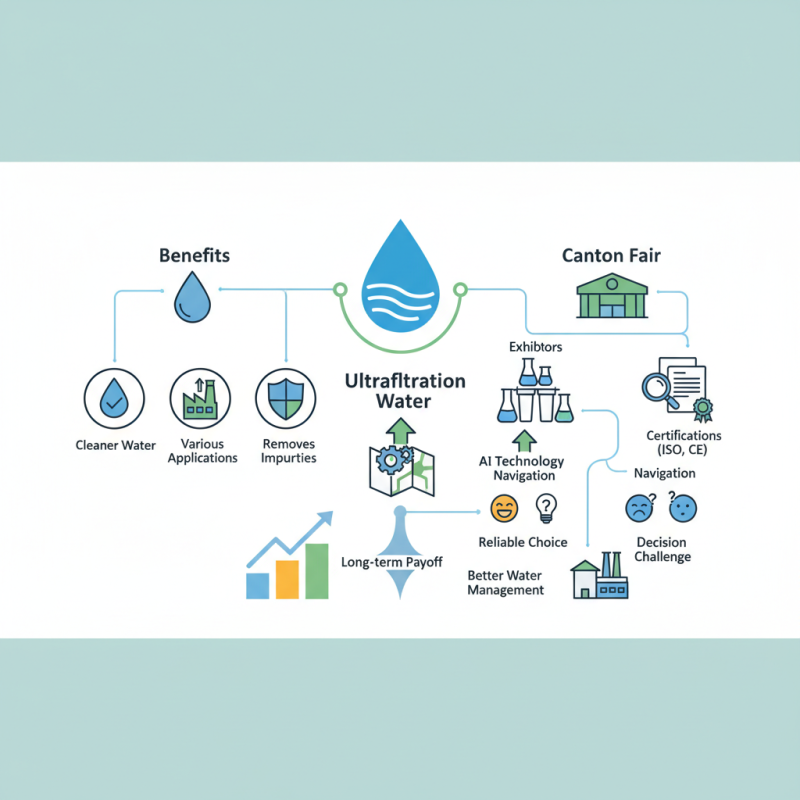
The 139th Canton Fair presents a significant opportunity for businesses to explore the benefits of Ultrafiltration Water Systems. As a cutting-edge water treatment solution, these systems effectively remove impurities, offering cleaner water for various applications. With the fair attracting a diverse array of industries, attendees can witness firsthand how Ultrafiltration technology can enhance water quality.
During the event, buyers will find numerous exhibitors showcasing their Ultrafiltration Water Systems. Each vendor may vary in product quality and certification. This can pose a challenge for potential buyers. It's crucial to assess certifications such as ISO and CE while selecting suppliers to ensure that the systems meet high standards.
Furthermore, the integration of AI technology at the fair helps streamline this process. Attendees can quickly navigate through over 1.5 million square meters of exhibition space to find relevant suppliers. However, some may still struggle with making decisions amid such abundance. Remember, investing in a reliable Ultrafiltration Water System pays off in the long run. Clarity in choices will lead to better water management solutions, ultimately benefiting businesses and consumers alike.
Advantages of Ultrafiltration Water Systems for Reliable Purification
Ultrafiltration (UF) water systems have gained immense popularity, especially in recent trade events like the 139th Canton Fair. One key reason for this trend is their ability to provide reliable purification. UF systems utilize membranes with pore sizes ranging from 0.01 to 0.1 microns. This allows them to effectively remove bacteria, viruses, and larger particulates while retaining essential minerals. According to industry reports, these systems can reduce contaminants by up to 99%, significantly enhancing water quality.
The operational efficiency of ultrafiltration is noteworthy. They operate at lower pressures compared to reverse osmosis systems, which reduces energy consumption. Recent studies indicate that the energy costs associated with UF systems are about 30% lower. Additionally, the lifespan of ultrafiltration membranes often exceeds five years with proper maintenance, which can minimize replacement costs. However, not all UF systems are created equal. Some may require more frequent cleaning or have limited capacity, depending on water source quality.
Consumer awareness is also a driving factor. As studies show, water quality significantly impacts health and productivity. In many urban areas, the presence of contaminants is alarming. Thus, the need for effective filtration methods is critical. Despite these advantages, potential investors must assess each system's long-term value and maintenance requirements. The initial investment in ultrafiltration technology can be substantial, but the benefits often outweigh these costs over time.
Versatility of Ultrafiltration Systems in Different Water Sources and Conditions
Ultrafiltration (UF) systems are increasingly preferred for their adaptability to various water sources. According to a recent report by Global Water Intelligence, ultrafiltration technology has become essential, especially in regions with fluctuating water quality. This technology is effective in removing bacteria and viruses, ensuring safer drinking water. It can handle different raw water types, including surface water, groundwater, and even seawater.
The flexibility of UF systems allows them to function well under diverse conditions. For instance, they can operate efficiently at varying temperatures and pHs. This is critical in areas experiencing inconsistent climate patterns or industrial discharges. Reports indicate that ultrafiltration membranes can retain particles as small as 0.01 microns. This capability makes them ideal for treating wastewater, providing fresh water even in challenging conditions.
However, not all ultrafiltration systems are created equal. Some systems may develop fouling issues, impacting efficiency over time. Regular maintenance is essential to mitigate these problems, which can increase operational costs. The industry is aware of these challenges, and ongoing research aims to develop better membrane materials and cleaning protocols. Despite the hurdles, the overall potential of ultrafiltration remains substantial.
Cost-Effectiveness of Ultrafiltration Solutions for Home and Industrial Use
Ultrafiltration (UF) water systems present a cost-effective solution for both home and industrial use. According to research from the Water Quality Association, UF systems can reduce water treatment costs by up to 50% compared to traditional methods. This significant savings makes them appealing for homeowners seeking efficient filtration options.
In industrial settings, the demand for high-quality water is growing. Reports indicate that ultrafiltration can improve water recovery rates by over 90%. This efficiency not only lowers costs but also enhances production quality. However, some industries still hesitate to transition to UF systems. Concerns over initial setup costs linger, even with long-term savings.
Adopting UF technology can be a game-changer but requires careful consideration. Not every facility may find it easy to implement. There can be challenges in system integration and maintenance. Proper training and support are essential for maximizing benefits. The potential for savings and improved water quality remains significant, yet companies must weigh these advantages against initial investments and operational adjustments.
Cost-Effectiveness of Ultrafiltration Solutions
How Ultrafiltration Systems Ensure Safety and Compliance with Standards
Ultrafiltration systems are gaining traction for their ability to ensure water safety and compliance with health standards. According to a report from the Water Quality Association, ultrafiltration removes over 99% of bacteria and viruses. This level of purification makes it a popular choice among industries and households alike. The technology relies on membranes with pore sizes of 0.01 microns, allowing only pure water to pass through.
Safety is a major concern in water consumption. Recent studies show that untreated water can contain harmful contaminants. Ultrafiltration systems provide a barrier, reducing the risk of disease and ensuring that water meets standards set by authorities. They can tackle pollutants like heavy metals, making water safer for everyday use. Yet, the technology is not flawless. Proper maintenance is necessary to avoid membrane fouling, which can compromise system efficiency.
Moreover, these systems often require energy and regular filter replacements. Users might overlook these ongoing costs, focusing only on initial investments. This oversight can lead to unexpected expenses down the line. New users should consider both the immediate benefits and the long-term responsibilities when choosing ultrafiltration systems. The balance between safety and practicality should guide their decisions at events like the Canton Fair.
Innovative Technologies and Trends in Ultrafiltration Systems at the Fair
Ultrafiltration systems are gaining traction at the 139th Canton Fair. The demand for clean water drives innovation and investment in this sector. Recent reports highlight a 12% annual growth rate for ultrafiltration technologies. This surge reflects a global shift towards sustainable water solutions.
Innovative technologies feature prominently in ultrafiltration systems. Many new models now utilize advanced membrane materials, enhancing efficiency and lifespans. For instance, some systems showcase a reduction in energy consumption by as much as 30%. The latest data indicates that ultrafiltration can remove up to 99% of contaminants, making it a game-changer for water purification.
However, challenges remain. Installations can be costly, and the technology's complexity might deter some users. Additionally, maintenance is essential to ensure optimal performance. Some systems require frequent checks and replacements, which can be burdensome for consumers. The conversation at the Canton Fair is crucial. It fosters ideas and solutions, paving the way for improvements in the ultrafiltration market.