How to Use a Hollow Bit for Perfect Drilling?
When it comes to drilling, precision is key. The Hollow Bit stands out for its unique design that creates clean, precise holes. This tool is favored by many for its ability to drill through various materials effectively. Using a Hollow Bit, however, requires skill and understanding.
Many users overlook essential techniques. Proper alignment and pressure are crucial for success. A slight miscalculation can lead to uneven holes. This can be frustrating and may impact your project’s outcome. Beginners often rush, resulting in less than perfect results. It’s important to take your time and practice.
Choosing the right Hollow Bit isn’t just about size. The material and coating also matter. Different bits serve different purposes. Reflecting on your needs and experiences can enhance your drilling skills. Embracing the learning curve is part of the journey. By focusing on these details, you can achieve better results with a Hollow Bit.
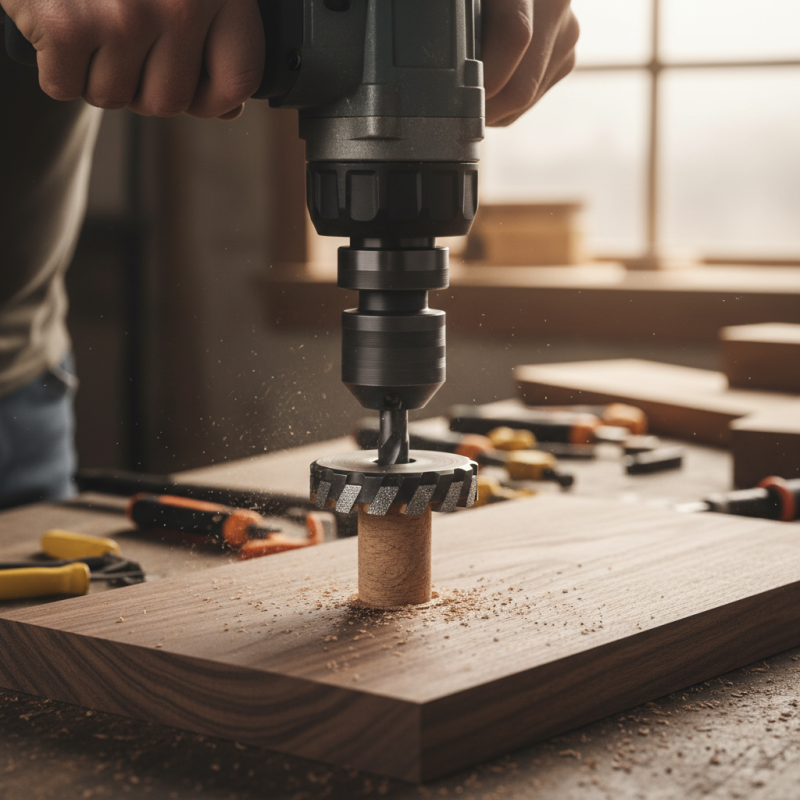
Understanding the Basics of Hollow Bits and Their Applications
Hollow bits are specialized tools designed for drilling precise holes. They differ from regular bits by having a hollow core, allowing for faster removal of debris. This makes them ideal for applications like plumbing, electrical work, or creating clean holes through various materials. They can be used on wood, drywall, and some metals, but using them correctly is crucial.
When using a hollow bit, start with the right speed and pressure. Too much force can lead to a dull bit or damage your material. Maintain a steady hand for an even hole. If you notice uneven results, assess your technique. Maybe the drill isn’t perpendicular or the bit isn’t sharp enough. Regularly check your equipment for wear and tear.
**Tips:** Always use a pilot hole to guide your hollow bit. This step prevents wandering and ensures accurate placement. Keep the bit cool to avoid overheating, especially during prolonged use. And remember, practice makes perfect; drilling clean holes takes time and experience. Adjust your methods according to the material and project requirements.
Usage of Hollow Bits in Different Applications
Selecting the Right Hollow Bit for Your Drilling Project
Selecting the right hollow bit for your drilling project is crucial for achieving the best results. A hollow bit is specifically designed for creating clean, precise holes in various materials. According to industry reports, properly selected bits can boost drilling efficiency by 30% or more. It is essential to consider the material you are drilling into. For wood, a different hollow bit is required than for metals or masonry.
When choosing a hollow bit, pay attention to its diameter and length. A bit that is too long might cause instability, leading to inaccurate holes. Likewise, a diameter that is too wide can create excessive friction and heat, potentially damaging the material. Ensure your drill can handle the selected bit.
Tips: Always check for bit sharpness. Dull bits will require more force and may lead to uneven holes. Remember to lubricate bits when drilling into harder materials like metals. This helps reduce heat buildup and prolongs bit life. Regularly reassess your methods and tools; even slight changes can stall progress. Mistakes can sometimes teach you more than successes.
Step-by-Step Guide to Using a Hollow Bit Effectively
Using a hollow bit can significantly improve your drilling precision. It is especially useful for tasks like making clean holes in wood or drywall. Follow this step-by-step guide to maximize your effectiveness when using a hollow bit.
Start by selecting the right hollow bit size for your project. Ensure you use a drill with adjustable speed settings. Too fast can lead to mistakes. Adjust the speed to match the material you drill. This balance is crucial for a successful outcome.
Tip: Always mark the drilling points clearly. This will help you stay focused and prevent any misalignments. A slight shift can ruin the entire project.
Next, clamp your material securely. A moving piece can lead to uneven holes. Apply steady pressure while drilling, but not too much. Let the bit do the work.
Tip: Take breaks to check on your progress. Rushed work increases the chance of errors. If you feel resistance, pull back; something might be obstructing the bit's path.
Hollow bits demand respect and patience. Each hole might not be perfect, and that’s okay. Learn from any mistakes. Each attempt teaches you something new. Think of it as part of your skill development.
Tips for Achieving Clean and Accurate Holes with Hollow Bits
Achieving clean and accurate holes with hollow bits requires attention to various factors. First, consider the material you're drilling. Wood, metal, and plastic all respond differently. According to the National Association of Home Builders, nearly 70% of amateur woodworkers struggle with drilling precision. A slow and steady approach often leads to better results.
Proper bit selection is crucial. Different hollow bits suit different applications. For example, larger bits can provide wider holes but may sacrifice accuracy. Reports suggest that improper bit choice can increase the error rate by over 15%. Using a drill press for stability can also enhance your results significantly. This method reduces the chances of wobbling and ensures your holes align perfectly.
Unexpected issues may arise during drilling. Bits can overheat, leading to burn marks or warped holes. Regularly checking your bit’s temperature and using cutting oil can prevent this. Remember, even experienced users face challenges. Experimentation and practice are vital for mastering hollow bits. Tracking your successes and failures can lead to improved technique over time.
How to Use a Hollow Bit for Perfect Drilling?
| Tip No. | Tip Description | Expected Outcome |
| 1 | Use the correct speed setting on your drill. | Improved precision and reduced overheating. |
| 2 | Mark your drilling spot clearly with a center punch. | Increased accuracy in hole placement. |
| 3 | Ensure your bit is sharp and clean before use. | Cleaner holes and less effort required. |
| 4 | Use a backing board to prevent tear-out. | Smoother edges and well-defined holes. |
| 5 | Drill at a consistent pressure without forcing the bit. | Reduced risk of damaging the material. |
Common Mistakes to Avoid When Using Hollow Bits
When using hollow bits, common mistakes can lead to poor results. One frequent error is failing to properly align the bit with the material. This can cause uneven holes and frustration. Ensure the bit is perpendicular to the surface before starting.
Another mistake is applying too much pressure. Hollow bits are designed for cutting, not forcing. If you push too hard, you may damage the bit or the material. Instead, let the bit do the work. A gentle touch can yield cleaner holes.
Tips for better drilling: Always mark your entry point clearly. This prevents slip-ups and ensures accuracy. Also, check for debris in the hole after drilling. Blocking can lead to uneven depths. Take your time and reconsider your technique if you notice any flaws. Adjusting your approach can significantly improve your work.