Top 10 Vehicle Hail Damage Scanning Systems for Buyers
In recent years, the demand for effective Vehicle Hail Damage Scanning Systems has surged. The automotive industry reports hail damage leads to nearly $1 billion in repairs annually. Accurate scanning systems are essential for timely assessments and claims processing. According to Dr. Emily Carter, a leading expert in automotive technology, "The right scanning system can make or break the efficiency of damage assessment."
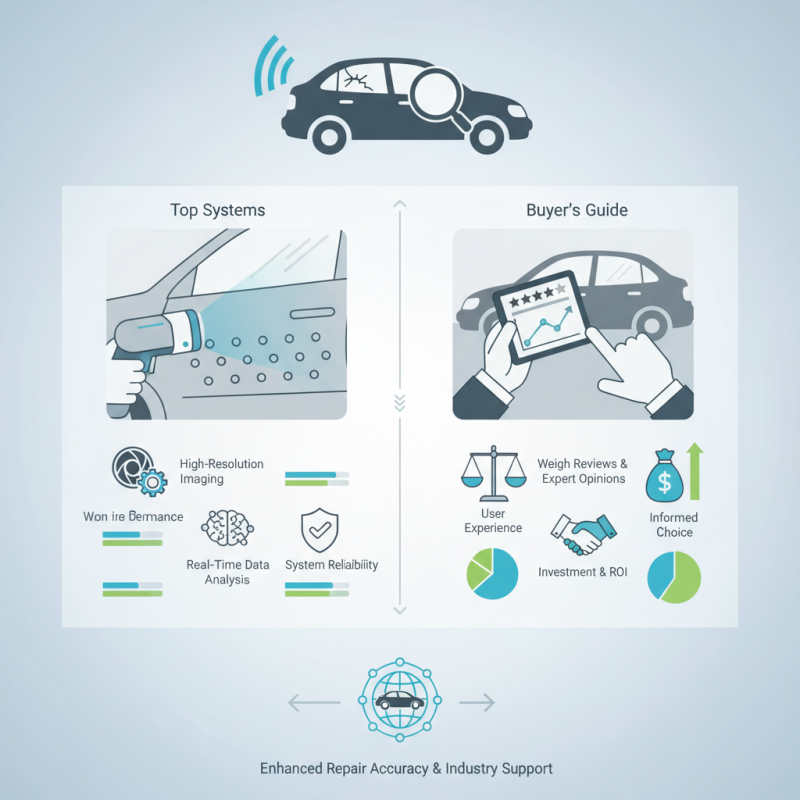
Investing in advanced scanning technology can enhance repair accuracy and customer satisfaction. Many systems on the market feature high-resolution imaging and real-time data analysis. However, not all are created equal. Buyers must consider factors like system reliability and user experience. Despite advances, some smaller companies lack the funding for cutting-edge technology, potentially compromising their competitive edge.
Choosing the right Vehicle Hail Damage Scanning System is critical. A systems review reveals that while some brands excel in performance, others may not meet industry standards. Buyers should weigh reviews and expert opinions carefully. An informed choice can lead to better repair outcomes and support for the overall automotive repair industry.
Overview of Hail Damage Scanning Systems in the Automotive Market
The automotive market has evolved significantly with the integration of advanced hail damage scanning systems. These systems offer precise assessments of the impact caused by hail. They utilize high-resolution imaging and sophisticated algorithms to catalog damage. This technology assists repair professionals in making informed decisions. However, the accuracy can vary between systems. It is essential for buyers to conduct thorough research.
These scanning systems provide real-time reports on vehicle conditions. They often save time and improve efficiency. Yet, some systems may miss smaller dents, leading to incomplete assessments. Buyers should be aware that not all systems are created equal. The learning curve for using these tools can be steep for some. Investing in training may be necessary for proper utilization.
In addition, maintenance of scanning systems is crucial. Regular updates ensure optimal performance, yet not all users commit to this. Neglect can result in outdated functionality. Despite these concerns, the growing integration of these systems underlines their relevance in the automotive industry. Enhanced accuracy and efficiency are paramount, but the technology does have its limitations. Buyers should weigh both benefits and drawbacks before making a purchase.
Key Features to Consider When Choosing Hail Damage Scanning Solutions
When choosing hail damage scanning solutions, several key features must be considered. Accuracy is crucial. A good system should pinpoint areas of damage without misinterpretation. Look for high-resolution imaging and precise detection capabilities. Systems that use advanced algorithms can enhance accuracy, yet they may present a learning curve for technicians.
Another important aspect is ease of use. Complex interfaces can slow the process. Opt for systems with intuitive controls. User-friendly designs can lead to faster inspections. Additionally, compatibility with existing software can streamline operations. Keep in mind that not all systems integrate seamlessly with various platforms. This can create frustration during inspections.
Finally, consider the durability of the equipment. Scanning systems are often exposed to harsh environments, including extreme temperatures. Resilient designs ensure long-term functionality. Reflect on maintenance requirements as well; some systems may need frequent Calibration that could disrupt workflows. Evaluating these features will help you select the right hail damage scanning solution for your needs.
Top 10 Recommended Vehicle Hail Damage Scanning Systems
When purchasing a vehicle, understanding its condition is crucial. Hail damage can often be hidden. Experts estimate that hailstorm damages result in over $1 billion in vehicle repairs annually. This creates a need for reliable scanning systems. These systems provide detailed assessments, detecting damage that may not be visible to the naked eye.
Effective scanning technology uses advanced imaging techniques. Some systems incorporate infrared and ultrasonic measurements. Professionals report that these methods can detect even minor dents and structural integrity issues. Despite this advancement, not all scanning systems are created equal. Some may miss subtle damage or provide inconsistent results. This inconsistency can lead to incorrect assessments, affecting buyer trust and vehicle value.
Investing in high-quality scanning technology is essential. Reliable systems offer a thorough check, ensuring transparency. However, buyers should remain cautious. A careful review of system capabilities can yield better results. Data suggests that vehicles scanned post-hailstorm retain their value more effectively. Ultimately, choosing the right system can make a significant difference in vehicle evaluation and purchase decisions.
Comparative Analysis of Leading Hail Damage Scanners
The automotive industry faces significant challenges due to hail damage. Effective scanning systems help assess vehicle condition after a storm. Many scanners utilize advanced technology, including infrared imaging and ultrasonic testing. These systems can detect hidden damage, which can affect repair costs.
According to recent industry reports, hail damage can decrease a vehicle's resale value by up to 30%. Accurate assessment is crucial for insurance claims and repair costs. Buyers need to consider the scanner's accuracy and ease of use. Some systems have documented accuracy rates exceeding 95%, providing reliable data for consumers. However, not all scanners meet this standard. Understanding these variations is essential.
Tip: Always check for user reviews and operational support when choosing a scanner. This can provide insights into real-world accuracy and user experience.
Another important factor is cost-effectiveness. While some advanced systems can be pricier, they may save more in the long run. They can quickly identify damage that less accurate scanners might miss. Regular maintenance of scanning systems can boost their performance and longevity.
Tip: Invest time in training for your staff. Proper training can ensure that scanners are utilized to their full potential.
User Reviews and Feedback on Hail Damage Scanning Technologies
When it comes to hail damage scanning systems, user reviews offer invaluable insights. Many users appreciate the ease of use of various scanning technologies. However, some express frustration with inconsistencies in results. It's crucial to consider how a system performs across different types of vehicles.
**Tips:** Always check user feedback. Look for comments about reliability. Consistent performance is key.
One common theme in reviews is the importance of accuracy. Users emphasize that inaccurate readings can lead to costly mistakes. Systems should provide clear indications of damage severity. This detail can help users make informed repair decisions. Yet, not all systems live up to the expectations set by their marketing.
**Tips:** Don’t rely solely on the latest technology. Consider peer recommendations and real-world use cases for a broader perspective.
Many users recommend conducting side-by-side comparisons. This allows buyers to observe each system’s effectiveness personally. Feedback often highlights the value of demonstrations or trials before purchase. Gather as much information as possible to ensure you choose a reliable solution.
Top 10 Vehicle Hail Damage Scanning Systems for Buyers - User Reviews and Feedback
| System Name | Scanning Technology | Accuracy (%) | User Rating (Out of 5) | Price ($) |
| System A | Ultrasonic | 95 | 4.5 | 2000 |
| System B | Laser | 92 | 4.2 | 1800 |
| System C | Camera Imaging | 90 | 4.0 | 1500 |
| System D | X-ray | 88 | 3.9 | 2200 |
| System E | Infrared | 91 | 4.4 | 1750 |
| System F | Smartphone App | 85 | 4.1 | 600 |
| System G | Multi-Frequency | 94 | 4.6 | 2500 |
| System H | Magnetic | 87 | 3.8 | 900 |
| System I | 3D Scanners | 96 | 4.7 | 3000 |
| System J | Acoustic | 89 | 4.3 | 1200 |