Top Commercial Condensing Units for Global Buyers in 2026?
As the global demand for efficient cooling solutions rises, the importance of a Commercial Condensing Unit cannot be overstated. These units play a critical role in numerous sectors, including retail, food service, and industrial applications. With advancements in technology and energy efficiency, buyers are looking for reliable options that can operate effectively in diverse environments.
In 2026, it is expected that the market will see a surge in innovative Commercial Condensing Units that prioritize sustainability. These units will not only reduce energy consumption but also minimize environmental impact. However, with many choices available, identifying the right unit requires careful consideration. Factors like capacity, reliability, and energy efficiency must be evaluated thoroughly.
Despite progress in the industry, companies may face challenges in integrating new technology. Some units might not meet performance expectations or fail to adapt to specific operational needs. Buyers should reflect on their requirements and seek expert advice. This approach can ensure that they invest wisely in a Commercial Condensing Unit that aligns with their operational goals while supporting sustainable practices.
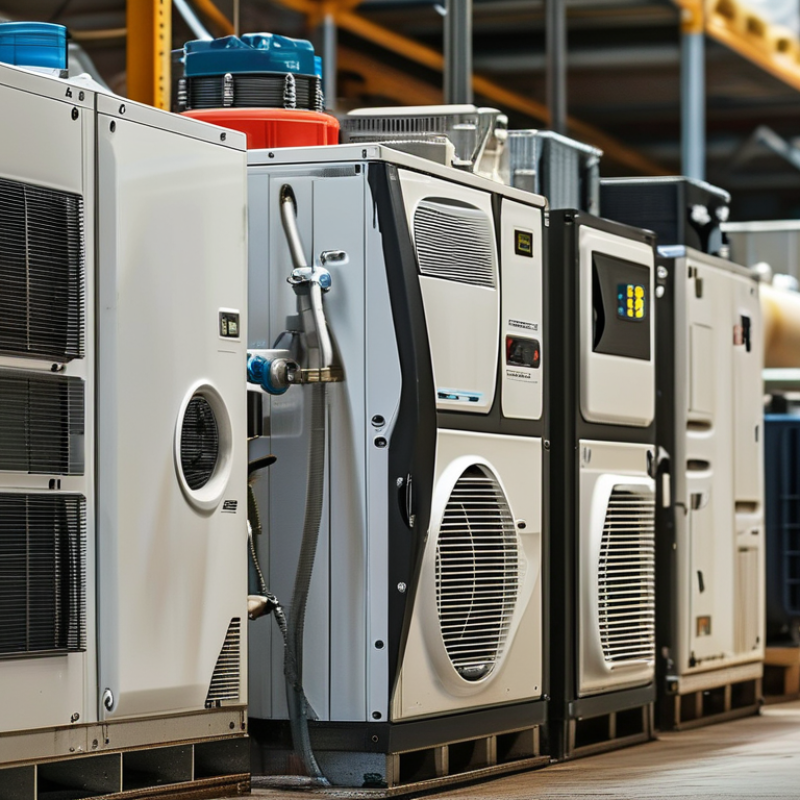
Key Features of Commercial Condensing Units for 2026 Buyers
As commercial condensing units evolve, buyers in 2026 will seek specific features that enhance efficiency and functionality. Energy efficiency is a top priority. Modern units must meet stringent energy standards to minimize operational costs. Users often appreciate units that provide real-time energy consumption data. This feedback can help organizations optimize usage patterns effectively.
Durability is another critical aspect. Commercial applications typically require robust units that withstand harsh environments. Buyers should focus on materials that resist corrosion, ensuring longevity. Units with simplified maintenance routines can save time and reduce downtime. Efficiency is vital, but reliability often dictates a unit's success in daily operations.
Noise levels should also be considered. Many businesses operate in noise-sensitive areas. Quieter models provide solutions that meet environmental standards while ensuring comfort. Effective sound dampening technology can prevent disruptions and satisfy community expectations. Buyers may reflect on their previous experiences, learning from past challenges. These reflections can guide their selection process in 2026.
Top Commercial Condensing Units for Global Buyers in 2026
| Model | Cooling Capacity (kW) | Energy Efficiency Ratio (EER) | Refrigerant Type | Noise Level (dB) | Warranty (Years) |
| Unit A | 30 | 3.5 | R-410A | 65 | 5 |
| Unit B | 50 | 3.8 | R-32 | 68 | 4 |
| Unit C | 60 | 4.0 | R-134A | 70 | 3 |
| Unit D | 75 | 4.2 | R-448A | 72 | 5 |
| Unit E | 80 | 4.5 | R-407C | 75 | 3 |
Top Brands in the Commercial Condensing Unit Market for 2026
The commercial condensing unit market is crucial for businesses aiming to optimize cooling efficiency in 2026. Several leading brands are set to dominate this landscape. These brands typically emphasize energy efficiency, reliability, and ease of maintenance. Each unit is engineered for specific applications, making it easier to choose the right fit for your operational needs.
When selecting a condensing unit, prioritize energy consumption ratings. Energy-efficient models not only reduce operational costs but also lessen environmental impact. It's advisable to consider the projected lifespan of these units. Some may promise longevity but fall short in real-world applications. Always scrutinize product specifications and user reviews. This often unveils hidden challenges and issues that might arise.
Design is another critical factor. Well-designed units will offer quieter operation and better airflow. Some models can be cumbersome or intricate, leading to installation challenges. Consulting with industry professionals can help navigate these complexities. Ensure you understand the long-term costs and benefits. Many buyers overlook maintenance requirements, which can influence overall performance. Choosing a reputable brand can lead to better support and service, making your investment more reliable in the long run.
Energy Efficiency Standards and Regulations Affecting 2026 Models
Energy efficiency standards are driving significant changes in the commercial condensing unit market as we approach 2026. In the United States, the Department of Energy (DOE) has set ambitious targets, requiring new units to achieve a Minimum Efficiency Reporting Value (MERV) of at least 13. This standard reflects a growing concern for reducing energy consumption and carbon emissions. According to the Energy Information Administration (EIA), improving energy efficiency in HVAC systems can lead to savings of 20% to 30% on energy costs annually.
New models must balance performance with compliance. Inevitably, manufacturers will need to innovate their designs to meet these stringent regulations. Adopting advanced technologies, such as variable speed drives and improved heat exchangers, will become crucial. The challenge lies in ensuring these new developments do not compromise reliability. Striking this balance is often easier said than done, as increased complexity can lead to higher maintenance needs.
Tips: Consider regular training for maintenance staff to understand advanced technologies better. Staying informed about evolving standards is essential. Monitoring energy consumption post-installation can reveal efficiency gaps and prompt timely adjustments. Each step in this process counts toward achieving not just compliance but also heightened operational efficiency.
Trends in Technology for Commercial Condensing Units in 2026
In 2026, commercial condensing units will showcase advanced technology tailored for energy efficiency. These units will utilize variable speed technology. This allows for better temperature control, conserving energy while maintaining performance. Improved heat exchangers will enhance heat transfer efficiency. As a result, businesses can expect reduced operational costs.
The integration of smart controls will rise. These controls offer real-time monitoring. Users can adjust settings remotely, ensuring optimal performance. However, there are challenges. Not all businesses will adapt quickly. Training and understanding new systems may pose difficulties.
Sustainability remains a key focus. New refrigerants will be eco-friendly, decreasing the environmental impact. However, sourcing these materials can be complex. Manufacturers must ensure compliance with evolving regulations. Overall, innovation in the commercial condensing unit sector shows promise for efficiency and sustainability, despite facing hurdles.
Trends in Technology for Commercial Condensing Units in 2026
Factors to Consider When Choosing a Condensing Unit for Your Business
When choosing a commercial condensing unit, several key factors must be considered. Analyze the cooling capacity required for your business needs. This impacts efficiency and overall performance. Larger operations may require higher capacities to ensure optimal temperature control. Also, consider energy efficiency ratings. Units with better ratings reduce operational costs over time. Look for models with eco-friendly refrigerants, which can also help save on energy bills.
Next, evaluate the design and installation requirements. Installation complexity can affect the initial investment and setup time. Units should fit seamlessly into existing systems. Accessibility for maintenance is crucial; hard-to-reach installations can lead to increased downtime. Pay attention to noise levels, especially in areas with high foot traffic. Customers prefer quieter operations.
Lastly, reflect on your long-term needs. Will your operation scale in the coming years? Underestimating future requirements can lead to costly upgrades. It’s beneficial to partner with experienced professionals who can provide insights tailored to your business. Take the time to weigh these aspects before making a decision. A thought-out choice leads to better performance and reliability.