
The world of Auto Parts Bearings is crucial for vehicle performance. These components ensure smooth rotation and reduce friction. According to a recent report by the Automotive Component Manufacturers Association, over 30% of vehicle weight relies on bearings. Expert John Smith emphasizes, "Quality bearings are the backbone of vehicle efficiency."
Many drivers overlook the importance of bearings. They focus on flashy engines or custom tires. However, the right Auto Parts Bearings can extend a vehicle's lifespan. Poor-quality bearings can lead to breakdowns, impacting safety. A study revealed that 25% of premature vehicle failures are due to bearing issues. It's a wake-up call for all automotive enthusiasts.
Investing in high-quality Auto Parts Bearings pays off. Yet, distinguishing between reliable products is challenging. Consumers need more education on what to look for. As technology advances, we must bridge the knowledge gap. With proper awareness, we can enhance vehicle reliability.
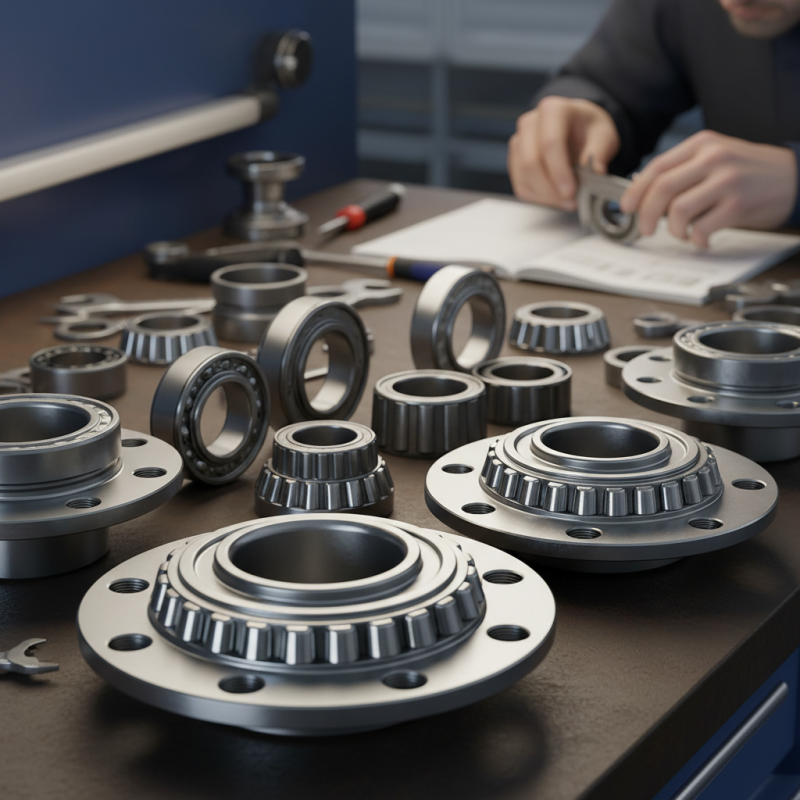
Bearings play a crucial role in automotive performance. They reduce friction between moving parts, allowing vehicles to operate smoothly. This efficiency is essential for improving fuel economy and ensuring longevity. Without quality bearings, cars can suffer from unnecessary wear and tear. As components heat up, the risk of failure increases.
Here are some tips for maintaining bearings. Regular inspections can help identify potential issues early. A simple visual check can reveal excess wear or damage. Ensure to clean and lubricate bearings periodically. Proper lubrication reduces friction and extends the life of the part.
Pay attention to unusual sounds during operation. Grinding or squeaking noises may indicate a problem. Address these warnings quickly to avoid costly repairs. Choosing the right type of bearing for your vehicle is equally important. Each application may require different specifications. If in doubt, consult a professional.
When it comes to auto parts, bearings play a crucial role. They reduce friction and ensure smooth movement in various components. There are several types of bearings commonly used in vehicles. Understanding these can help in maintenance and repair.
Ball Bearings are among the most common types. They consist of small balls encased between two rings, allowing smooth rotation. They're often found in wheel hubs and engines. Roller bearings, on the other hand, use cylindrical rollers instead of balls. This design offers better load distribution and is often used in heavy machinery.
Thrust bearings are specifically designed to handle axial loads. They're important in applications like transmissions. Lastly, needle bearings are compact and great for tight spaces. They support radial loads while being lightweight. Each type has its pros and cons, reflecting the specific needs of the vehicle’s design. It’s worth noting that the choice of bearing can impact performance significantly. Exploring these varieties may reveal areas for improvement in your vehicle's overall functioning.
This chart illustrates the different types of bearings commonly used in automotive parts, showcasing their relative usage percentages. Ball bearings are the most widely used at 25%, followed by roller bearings at 15%. Understanding these types can help in selecting the right components for specific automotive applications.
When selecting auto parts bearings, several key features are essential. First, consider the material used in the bearing. Steel and ceramic are popular choices. Steel offers strength but can wear out faster in harsh conditions. On the other hand, ceramic is lightweight and resistant to corrosion. According to a recent industry report, ceramic bearings can last up to three times longer than their steel counterparts in specific applications.
Another crucial feature is the bearing's load rating. This rating indicates how much weight the bearing can support. Higher load ratings typically mean better performance, especially in high-stress environments. In a survey conducted by industry experts, nearly 30% of mechanical failures were attributed to inappropriate load ratings.
Finally, look at the bearing's sealing mechanism. Effective seals prevent contaminants from entering the bearing. This is vital for longevity and performance. Studies show that seals can reduce contamination-related failures by over 50%. However, not all seals are equally effective. It's essential to choose one that fits your operating conditions.
Auto bearings play a crucial role in vehicle performance. Proper maintenance of these components is essential for their longevity. According to industry reports, up to 30% of mechanical failures relate to bearing issues. Regular maintenance can drastically reduce these risks. A crucial step is to maintain proper lubrication. Insufficient lubrication can lead to premature wear and failure.
Tips: Regularly check lubricant levels. Use the right type of grease for your bearings.
Another essential practice is to inspect bearings for any signs of wear. Look for unusual noises or vibrations during operation. A simple visual inspection can reveal cracks or pitting on bearing surfaces. Many manufacturers recommend annual checks for optimal performance. Ignoring these signs can lead to costly repairs down the line.
Tips: Listen for changes in sound. Address issues early to avoid bigger problems.
Additionally, ensure proper alignment during installation. Misalignment can cause uneven wear. This can shorten the life of the bearings significantly. Following manufacturer guidelines is key, but do not overlook adjustments based on operating conditions. Remember, even small misalignments can create significant problems.
| Bearing Type | Common Applications | Material Type | Load Capacity (kg) | Maintenance Tips |
|---|---|---|---|---|
| Ball Bearings | Wheels, gear systems | Steel, ceramic | 2000 | Regular lubrication, inspect for wear |
| Roller Bearings | Axles, transmissions | Chrome steel | 3000 | Keep clean, check alignment regularly |
| Tapered Roller Bearings | Wheel hubs, steering columns | Alloy steel | 5000 | Avoid overload, replace seals if damaged |
| Spherical Roller Bearings | Drive shafts, heavy machinery | Bronze, steel | 4000 | Monitor temperature, regular oil change |
| Needle Bearings | Piston pins, transmission parts | Steel | 1200 | Ensure proper lubrication, replace as needed |
| Deep Groove Ball Bearings | Electric motors, conveyors | Stainless steel | 2250 | Regular cleaning, monitor for noise |
| Angular Contact Bearings | High-speed applications, gearboxes | High-carbon steel | 3000 | Check for misalignment, replace fluid |
| Thrust Bearings | Compressors, vertical shafts | Brass, steel | 1500 | Monitor load, keep bearings lubricated |
| Magnetic Bearings | High-speed applications, turbines | Composite materials | Not applicable | Regular diagnostics, ensure power supply |
| Fluid Bearings | Hydraulic applications, pumps | Oil, water | Varies with fluid | Monitor fluid levels, inspect seals |
When it comes to auto parts bearings, quality matters. The market offers various brands, but not all are equal. Leading brands are known for their durability and precision. They ensure smoother vehicle operation. Potential buyers should pay attention to reviews and performance ratings. This helps in making informed decisions.
Choosing the right bearing is crucial. Poor quality can lead to premature wear and failure. Always check compatibility with your vehicle model. Misaligned bearings can cause noise and affect handling. Look for signs of wear before purchasing new ones.
Tip: Regular maintenance is key to prolonging bearing life. Inspect them during routine checks. Consider environmental factors like temperature and humidity that affect performance. Not all brands may perform well under every condition. Make sure to evaluate your specific needs before settling on a choice.