Top 5 Aluminium CNC Machining Trends for 2026 Canton Fair?
The upcoming 2026 Canton Fair is expected to spotlight several trends in Aluminium Cnc Machining. Industry expert John Smith emphasized, “The future of Aluminium CNC Machining is driven by innovation and efficiency.” His insights reflect the rapid changes in technology and market demands.
As manufacturers prepare for the fair, they will need to adapt to the latest advancements. These may include AI-driven processes, which enhance precision and reduce waste. The integration of smart tools is not just a trend but a necessity for staying competitive. Suppliers must assess their capabilities and certifications, like ISO and CE, to attract discerning buyers.
However, challenges remain. Many manufacturers still rely on outdated techniques. This can lead to inefficiencies and higher costs. A commitment to embrace modern technology will be essential for success. At the fair, discussions on these issues will shape the future of Aluminium CNC Machining, ensuring that companies are more than just participants; they are innovators ready to lead.
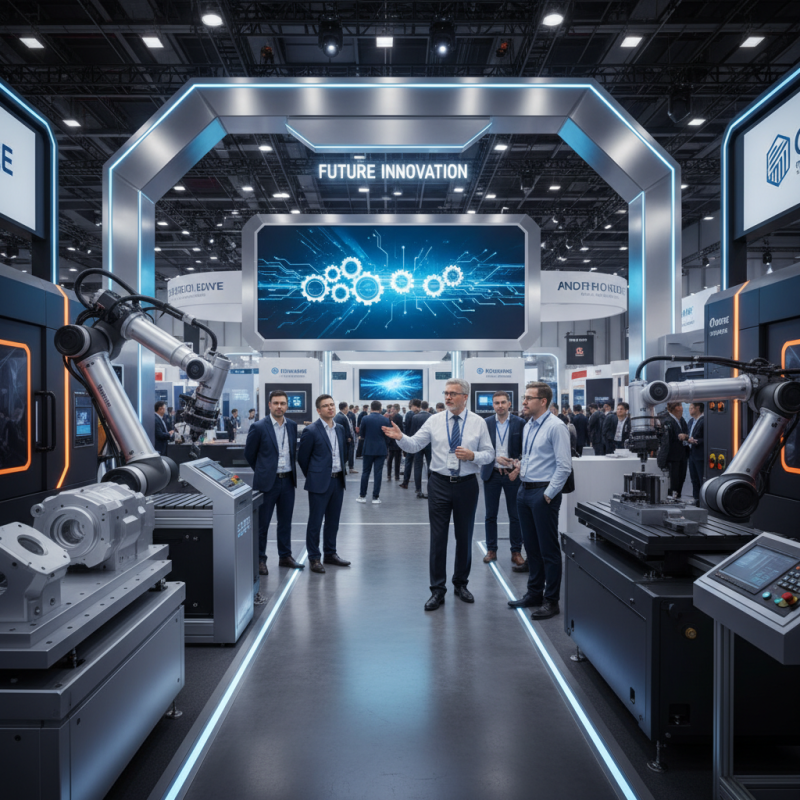
Emerging Technologies in Aluminium CNC Machining for 2026
As we approach the 2026 Canton Fair, emerging technologies in aluminium CNC machining are transforming the industry. One significant trend is the integration of artificial intelligence. AI algorithms optimize machining processes, ensuring precision and reducing waste. This technology allows manufacturers to predict potential issues before they arise.
Another noteworthy advancement is 5-axis machining. This technique enhances complexity in designs, making it easier to craft intricate parts. It reduces the need for multiple setups, saving time and costs. However, not every shop can adapt quickly. Many face a learning curve when implementing this method.
Additive manufacturing is also making waves. Combining it with traditional CNC machining opens new possibilities in product design. It allows for lightweight structures that were previously challenging to create. Yet, the technology isn’t perfect. There are still questions about material consistency and durability. The industry must address these gaps to fully harness its potential.
Sustainability Trends Influencing Aluminium CNC Machining Practices
Sustainability is becoming critical in aluminium CNC machining. As manufacturers face environmental concerns, trends are shifting. Reports show that 80% of consumers prefer eco-friendly products. This trend pushes businesses to adopt greener practices.
One major trend is using recycled aluminium. Many companies are recycling scrap aluminium, which not only reduces waste but also saves energy. Recycling can use up to 95% less energy than new aluminium production, marking a significant step toward sustainability.
Another aspect is energy-efficient machinery. New CNC machines consume less power and produce less waste. According to studies, energy-efficient setups can cut costs by 30%. This helps companies stay competitive while being responsible.
Tip: Invest in training. Equip your team with knowledge about sustainability. They should know the importance of eco-friendly practices.
More firms are adopting sustainable certifications. This gives them a market advantage. Yet, some may find it challenging to meet these standards, requiring commitment and ongoing effort.
Tip: Consider collaboration. Partner with suppliers who prioritize sustainability. This can enhance your brand image and align with market trends.
Enhancements in Precision and Accuracy in 2026 Machining Techniques
The CNC machining industry is undergoing significant transformations. The emphasis on precision and accuracy is paramount in 2026. Enhanced techniques are emerging, driven by advancements in technology and materials. For instance, integration of AI analytics is shaping machining processes. This helps to predict potential errors before they occur.
Precision tools are also evolving. They now feature improved design that reduces vibrations during production. This enhances the accuracy of the final product. We notice inconsistencies in traditional methods leading to waste. Fortunately, modern machines can tackle these challenges, though some still struggle with complex geometries. The push towards tighter tolerances is relentless, yet achieving this consistently remains a complex task.
Moreover, the focus on lightweight aluminum parts necessitates innovative approaches. The machines used must adapt quickly to different designs. Some may find this transition difficult, as training workers on new systems can delay output. The industry's future depends on overcoming such hurdles while maintaining high standards. The need for collaboration among engineers, designers, and machinists is crucial. This synergy can yield better accuracy in operations, making the workflow smoother and more efficient.
Market Demands Shaping Aluminium Products at the Canton Fair
As the 2026 Canton Fair approaches, market demands continue to shape the landscape of aluminium products. Industry reports indicate a significant shift towards sustainable manufacturing practices. In 2022, around 25% of manufacturers began adopting eco-friendly processes. This trend is expected to rise as consumers increasingly prioritize sustainability in their purchasing decisions.
The demand for lightweight, durable materials is driving innovation in aluminium CNC machining. According to a recent study, nearly 40% of automotive and aerospace companies are focusing on aluminium components. This is largely due to its excellent strength-to-weight ratio. However, adapting to these changes demands investment in new machinery and skills, creating challenges for small manufacturers.
Additionally, customization is becoming essential. Recent surveys show that 60% of clients want tailored solutions rather than standard products. However, many CNC shops struggle to meet these growing expectations. They face difficulties in managing lead times and maintaining quality. As the market evolves, the gap between demand and supply highlights the need for manufacturers to rethink their strategies.
Innovative Applications of Aluminium CNC Machining in Various Industries
Aluminium CNC machining is transforming various industries. In 2026, we will see innovative applications that push the boundaries of this technology. One key area is the aerospace sector. Companies are using CNC machining to create lighter and stronger components. This not only improves fuel efficiency but also enhances overall performance.
Another exciting trend is in the automotive industry. Machine parts are becoming more intricate and precise. Electric vehicles are demanding new designs that can accommodate advanced technology. In contrast, some manufacturers struggle to keep up with these changes. They often face challenges in achieving the desired quality and speed in production.
Additionally, the medical field is benefitting from aluminium CNC machining. Custom implants and tools are being developed. However, there are concerns about the compatibility of these materials with human bodies. Testing and research are essential to mitigate potential risks. As these applications grow, the focus on safety and quality control becomes increasingly vital.