Top 10 Air Control Valves You Need to Know About?
The importance of Air Control Valves in various industries cannot be overstated. According to a report from MarketsandMarkets, the global market for these valves is projected to reach $10.7 billion by 2025. This growth is driven by the increasing demand for automation and control in manufacturing. Air Control Valves play a critical role in regulating air flow and pressure in systems.
In industries such as automotive, aerospace, and HVAC, these valves ensure efficiency and safety. A study by ResearchAndMarkets highlights that improper valve selection can lead to up to 30% energy losses. This emphasizes the need for precise functionality. Many companies still struggle with valve performance, often overlooking crucial specifications.
Despite their significance, not all users understand the intricacies of Air Control Valves. In some cases, a lack of knowledge leads to costly mistakes. Identifying the right valve for specific applications is essential. Thus, we will explore the top 10 Air Control Valves that professionals should be aware of in today's market.
Top 10 Air Control Valves: An Overview of Functionality and Types
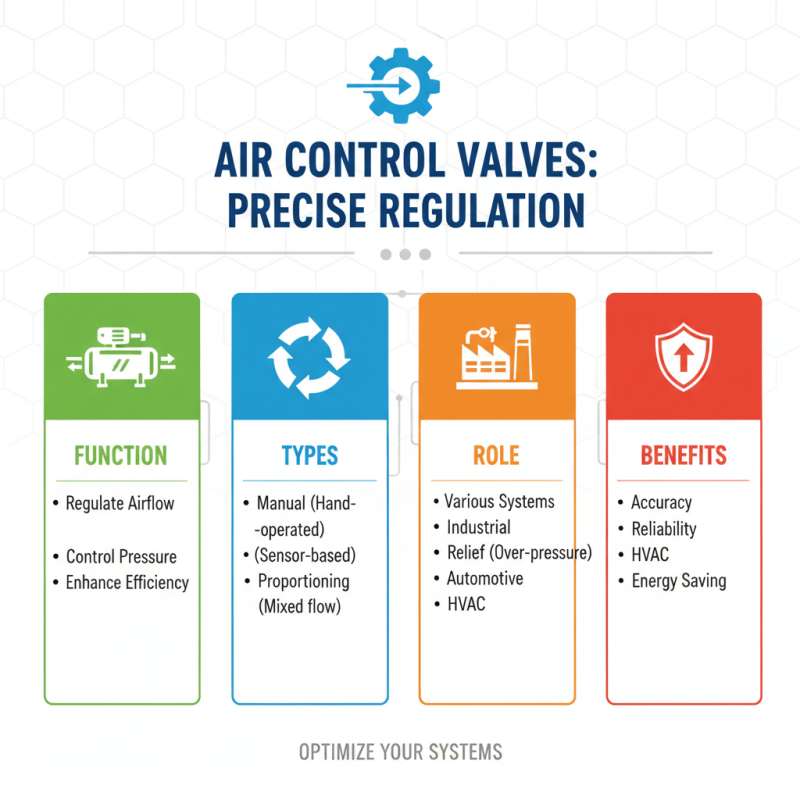
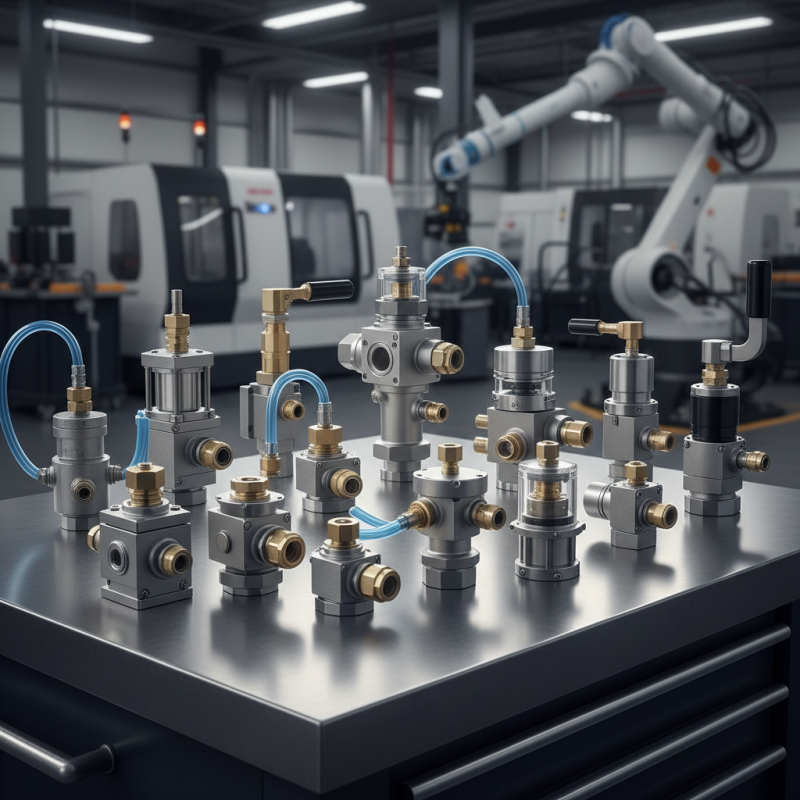
Air control valves play a crucial role in various systems. They regulate airflow and pressure, ensuring precise control. Understanding their functionality can greatly enhance system efficiency. These valves primarily fall into several types: manual, automatic, relief, and proportioning.
Manual air control valves require operator input for adjustments. They are simple but lack automation. Automatic valves, on the other hand, respond to changes in pressure or flow. This responsiveness improves system adaptability, particularly in complex setups. Data indicates that automated systems can reduce energy costs by up to 30% (Industry Report 2022).
Relief valves protect systems from excessive pressure. They release air when pressure surpasses a set limit. Proportioning valves allow for precise mix ratios of air and other gases. Each type serves a unique purpose, yet they all require maintenance. Overlooking this can lead to inefficiencies. In real-world applications, one must reflect on valve selection to avoid operational pitfalls. Misjudgment here can cause system failures.
Materials and Design: Understanding the Engineering Behind Air Control Valves
Air control valves are essential in many systems, managing airflow efficiently. Their design is crucial for performance. Various materials are used in construction. Each material offers unique benefits and drawbacks.
For instance, aluminum is lightweight but can corrode.
Stainless steel is durable but heavier and more expensive.
The design of these valves can vary significantly. Some have simple structures, while others are complex. A well-designed valve is not just about aesthetics; it influences functionality. An intricate design may offer precision control.
However, it can also lead to higher failure rates.
Simplicity in design often results in better reliability. It's a careful balance that engineers must navigate.
Manufacturing methods also play a role. Techniques like casting and machining produce different outcomes.
Casting may allow for intricate shapes, yet imperfections can arise.
Machining can offer precision but may create waste. Understanding these factors is key to optimizing a valve's performance. Choosing the right design and materials is a complex task that requires thoughtful consideration.
Applications in Industry: How Air Control Valves Enhance System Efficiency
Air control valves are essential in many industrial applications. They regulate airflow, improve efficiency, and reduce energy consumption. According to a recent industry report, companies can save up to 30% on energy costs by optimizing their air control systems. These valves ensure proper pressure levels in pneumatic systems, facilitating smooth operation.
In manufacturing, air control valves enhance automation processes. They help in controlling machinery, minimizing downtime. This leads to increased productivity. However, improper installation can lead to significant pressure losses. Engineers must regularly assess the performance of these systems. Regular maintenance is crucial to avoid failures.
**Tip:** Always monitor air pressure levels. Small adjustments can lead to substantial efficiency gains. Consider implementing a preventive maintenance schedule.
In laboratory settings, precision is vital. Air control valves provide accurate flow rates, improving research outcomes. Still, oversizing valves can decrease performance. It’s important to choose the right specifications for your needs.
**Tip:** Consult with experts on valve sizing. It can save you time and resources. A tailored approach often yields the best results.
Top 10 Air Control Valves You Need to Know About
This chart illustrates the efficiency improvement of various types of air control valves used in industrial applications. The data represents their performance based on flow rate and reduced energy consumption.
Selection Criteria: Factors to Consider When Choosing Air Control Valves
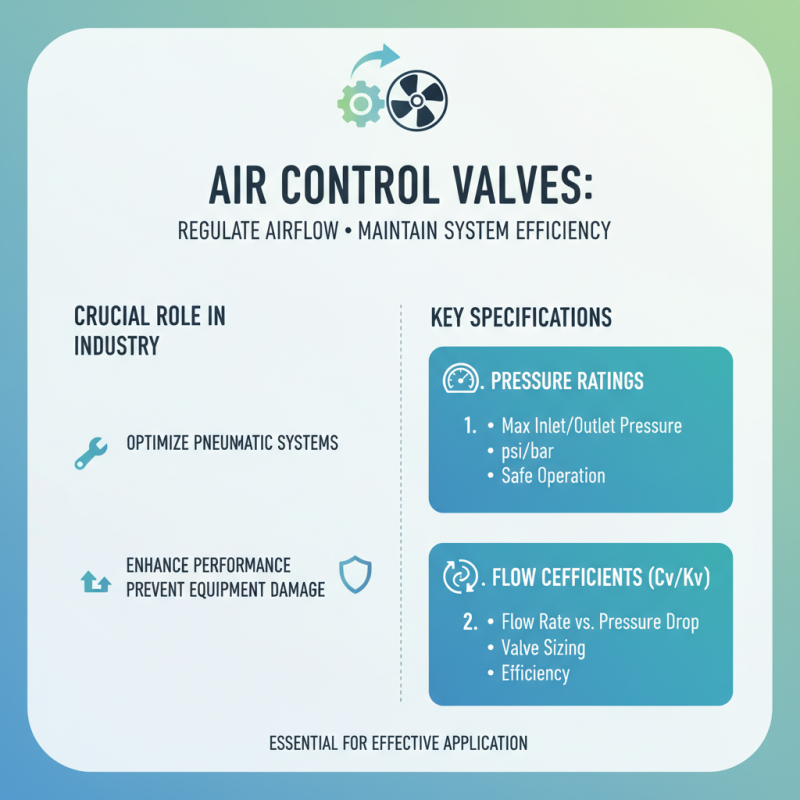
Choosing the right air control valve is crucial. Several factors come into play during selection. Consider the valve’s flow rate. It directly impacts system efficiency. Knowing the required flow can prevent system failure. Always check specifications.
Next, think about the media. Different applications use different gases. Compatibility is vital for performance. Additionally, consider pressure ratings. Valves must handle specific pressure without leaking. A mismatched pressure rating can lead to dangerous situations.
Lastly, installation space is often overlooked. Not all valves fit easily in tight spaces. Measure carefully to avoid surprises. While aesthetics matter, functionality is key. Reviews and case studies can help, but they aren’t foolproof. Reflect on past choices to avoid repeating mistakes.
Top 10 Air Control Valves You Need to Know About
| Valve Type |
Material |
Pressure Rating (psi) |
Temperature Range (°F) |
Flow Coefficient (Cv) |
Actuation Type |
| Ball Valve |
Brass |
150 |
-40 to 250 |
5.0 |
Manual |
| Solenoid Valve |
Plastic |
50 |
32 to 140 |
4.0 |
Electromagnetic |
| Gate Valve |
Stainless Steel |
300 |
-40 to 400 |
8.0 |
Manual |
| Globe Valve |
Bronze |
200 |
-20 to 300 |
6.0 |
Manual |
| Check Valve |
Aluminum |
150 |
-20 to 200 |
3.5 |
Spring-Loaded |
| Butterfly Valve |
PVC |
150 |
-10 to 180 |
10.0 |
Manual |
| Pressure Relief Valve |
Stainless Steel |
300 |
-20 to 400 |
12.0 |
Spring-Loaded |
| Pneumatic Control Valve |
Aluminum |
150 |
-20 to 250 |
8.5 |
Pneumatic |
| Electronic Control Valve |
Brass |
100 |
-10 to 150 |
6.0 |
Electronic |
| Flow Control Valve |
Plastic |
75 |
-20 to 180 |
5.5 |
Manual |