Top 10 Air Conditioner Condenser Manufacturers in China?
In the competitive landscape of HVAC systems, the importance of the Air Conditioner Condenser cannot be overstated. This vital component plays a crucial role in the overall efficiency of air conditioning units. Knowing which manufacturers excel in producing reliable condensers is essential for both consumers and industry professionals alike.
China has emerged as a significant player in the air conditioning market, with numerous manufacturers specializing in condensers. Many of these companies focus on innovation and advanced technology. However, not all manufacturers maintain the same level of quality. Understanding the characteristics of top manufacturers can help guide purchasing decisions.
The reliability and performance of an Air Conditioner Condenser are paramount for comfort and energy efficiency. It is essential to analyze factors such as build quality and customer feedback. While many brands claim to be the best, careful research and evaluation are needed. This exploration can reveal which manufacturers genuinely stand out in the crowded market, providing insights that are both practical and informed.
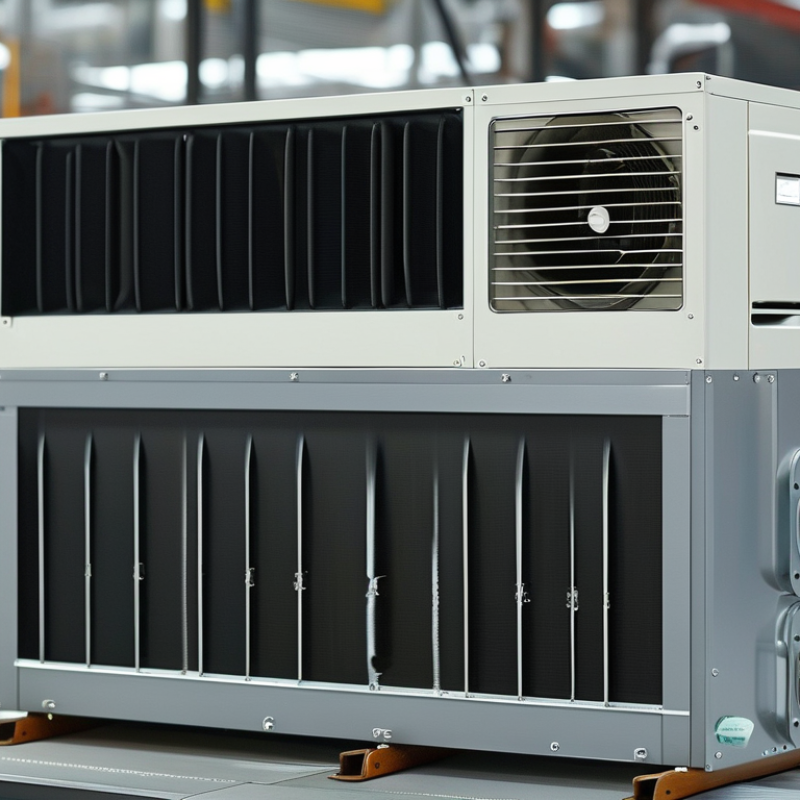
Overview of China's Air Conditioner Condenser Industry Landscape
China's air conditioner condenser industry is experiencing rapid growth. It plays a crucial role in the overall HVAC sector. The demand for energy-efficient cooling solutions drives innovation and competition. Manufacturers are focusing on improving condenser efficiency, durability, and performance. Diverse materials are utilized, ranging from copper to aluminum.
Several manufacturers dominate this market. They invest heavily in research and development. However, concerns about environmental impact remain an ongoing issue. Many companies are still transitioning to eco-friendly refrigerants, which is a crucial aspect of sustainability. The industry faces challenges, such as fluctuating raw material prices and stringent regulations.
The global market’s influence cannot be ignored. International standards shape local production practices. Local manufacturers often look to meet these standards while catering to domestic needs. Collaboration with research institutions is becoming common to enhance product offerings. As technology evolves, so do customer expectations, pushing manufacturers to rethink their strategies.
Top 10 Air Conditioner Condenser Manufacturers in China
| Rank | Manufacturer Type | Production Capacity (Units/Year) | Market Share (%) | Headquarters Location | Years in Business |
| 1 | State-Owned | 5,000,000 | 25 | Beijing | 30 |
| 2 | Private | 3,500,000 | 18 | Guangdong | 15 |
| 3 | Joint Venture | 4,000,000 | 20 | Shanghai | 10 |
| 4 | Foreign-Owned | 2,800,000 | 15 | Hong Kong | 20 |
| 5 | State-Owned | 3,200,000 | 12 | Zhejiang | 25 |
| 6 | Private | 1,500,000 | 10 | Sichuan | 8 |
| 7 | Joint Venture | 2,000,000 | 8 | Shandong | 12 |
| 8 | Foreign-Owned | 2,500,000 | 6 | Beijing | 18 |
| 9 | Private | 1,800,000 | 5 | Tianjin | 7 |
| 10 | State-Owned | 3,700,000 | 4 | Guangdong | 22 |
Top 10 Air Conditioner Condenser Manufacturers Based on Market Share
The air conditioning market in China has seen rapid growth in recent years. According to a recent industry report, the air conditioner condenser segment has become increasingly competitive, with market leaders holding significant shares. Data from 2022 shows that the top manufacturers accounted for nearly 65% of the total market share. This concentration indicates a few key players dominate the landscape, often leading to challenges for newcomers.
In terms of production capacity, these leading manufacturers reportedly produce millions of condensers annually. This sheer scale helps meet the growing demand but also raises concerns about sustainability and environmental impact. Carbon emissions and resource consumption in the manufacturing process warrant careful consideration. Many companies are now exploring eco-friendly materials and production methods, but the transition is slow and complex.
The importance of innovation cannot be overstated in this industry. Manufacturers must invest in research and development to enhance performance while reducing costs. However, the challenge remains: balancing innovation with affordability. The ongoing quest for energy-efficient designs is crucial, yet it often results in higher initial costs for consumers. This creates a dilemma for manufacturers: how to advance technology while also appealing to cost-conscious clients.
Innovative Technologies and Production Techniques Used by Leading Firms
The air conditioning market in China has been influenced by innovative technologies that enhance efficiency and sustainability. Manufacturers have been integrating smart control systems into their designs. These systems allow users to monitor and adjust their units remotely. This feature not only improves convenience but also ensures optimal energy consumption.
Advanced materials play a vital role in production techniques. Companies utilize high-quality, lightweight materials for better heat exchange efficiency. This development has led to substantial reductions in energy wastage. Efficiency ratings are now higher, providing users with cost-effective cooling solutions. There remains a challenge, however, as manufacturers continuously seek to balance cost and quality in their materials.
Moreover, some firms incorporate eco-friendly refrigerants, contributing to environmental sustainability. While progress is evident, certain brands still face criticism for their manufacturing practices. Not all companies prioritize sustainability equally, leading to a market gap. Consumers are encouraged to choose wisely, as transparency in production is becoming increasingly crucial.
Market Trends Impacting Air Conditioner Condenser Sales Growth
The air conditioner condenser market is experiencing significant shifts. One key trend is the rising demand for energy-efficient components. Reports indicate that energy-efficient condensing units can save up to 30% in energy costs. These savings resonate strongly with consumers looking to reduce utility bills while minimizing environmental impact.
Furthermore, advancements in technology are shaping these sales trends. The integration of smart technology into air conditioning systems is becoming commonplace. A study published in the Journal of HVAC and Refrigeration indicates that smart air conditioners can enhance system efficiency and user control. This evolution is appealing to tech-savvy consumers, pushing manufacturers to innovate continuously.
However, challenges persist. Supply chain disruptions have affected manufacturing timelines. According to recent surveys, nearly 40% of manufacturers reported delays due to material shortages. Additionally, fluctuating raw material prices are a concern. These factors can hamper growth and affect pricing strategies. Stakeholders must navigate these complexities carefully as they plan for the future of air conditioner condensers.
Top 10 Air Conditioner Condenser Manufacturers in China - Market Trends Impacting Sales Growth
Regional Distribution and Export Potential of China's AC Condenser Products
China is a major player in the air conditioning condenser market. The regional distribution of these products varies significantly across provinces. Eastern regions, like Guangdong and Jiangsu, host many manufacturing facilities. These areas have access to skilled labor and robust supply chains, boosting production efficiency. In contrast, western provinces lag in infrastructure. They face challenges that can hinder export capabilities.
The export potential of Chinese AC condensers is vast. Countries in Southeast Asia show increasing demand. They appreciate China's competitive pricing and quality products. However, less efficient logistics can delay shipments. This affects timely market entry. Manufacturers must address these logistical challenges to fully capitalize on global opportunities.
Market trends indicate that a shift towards energy-efficient models is underway. This change may require companies to innovate rapidly. However, some manufacturers might struggle with technology adaptation. Keeping pace with global standards will be crucial for maintaining competitiveness. Ensuring sustainable practices may also enhance export appeal in environmentally conscious markets.