Top Tips for Choosing Gp Silicone Sealant for Your Projects?
Choosing the right Gp Silicone Sealant is critical for successful projects. The construction industry increasingly relies on silicone sealants, expecting longevity and reliability. According to recent market analysis, the silicone sealing market is projected to grow significantly, with a compound annual growth rate (CAGR) of 4.8% from 2021 to 2026. This growth reflects the increasing need for durable sealing solutions.
Understanding the properties of Gp Silicone Sealant is essential. This material offers excellent adhesion, flexibility, and weather resistance. Moreover, industry studies indicate that improper selection can lead to failures, resulting in costly repairs. Projects might suffer if the sealant does not match the specific conditions they face. A well-informed choice can make a lasting difference.
Many users overlook crucial factors like temperature resistance and curing time when selecting a sealant. The right Gp Silicone Sealant can significantly enhance project outcomes. However, it’s essential to engage with reputable manufacturers and rely on certified products. Doing so ensures that you are making a choice grounded in quality and expertise.
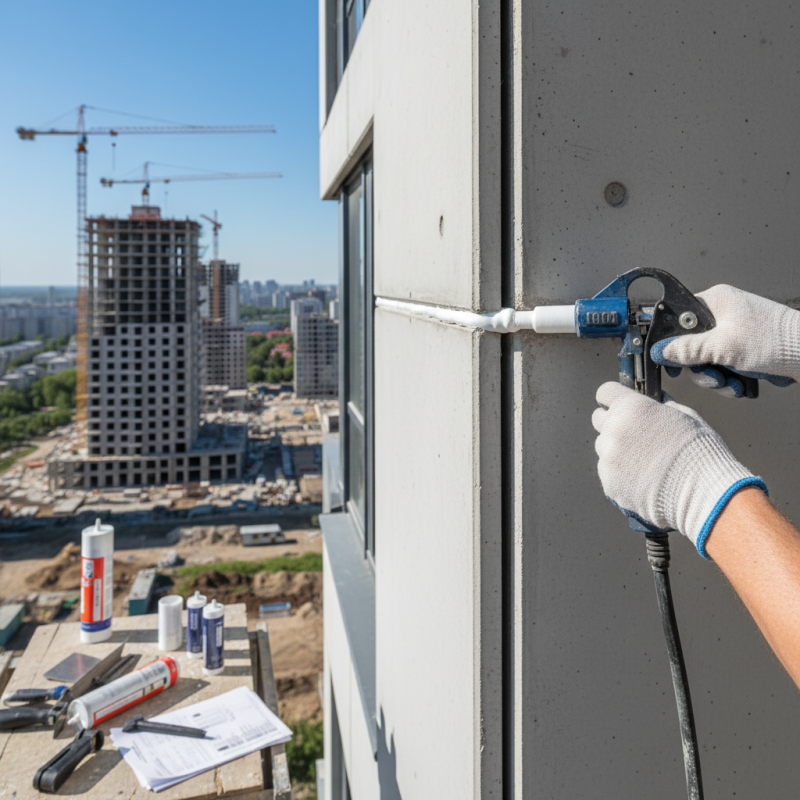
Understanding the Different Types of GP Silicone Sealants Available
When it comes to selecting GP silicone sealants, understanding the types available is essential for any project. GP silicone sealants come in various forms, including neutral-cure, acetoxy-cure, and specialty grades. Each type has unique properties that suit different tasks. Neutral-cure silicone is often preferred for sensitive materials, while acetoxy-cure offers excellent adhesion for most surfaces. Specialty grades include high-temperature or waterproof options, ideal for specific uses.
Here are a few tips to help you make informed choices. Assess the surface materials you will seal. Different silicones bond better with certain substrates. Always consider the environment. Outdoor projects may require UV-resistant seals. Indoor applications might focus more on mold resistance. Also, check the curing time; some sealants dry faster than others.
Pay attention to the manufacturer's instructions. Misuse can lead to weak seals and project failures. It's crucial to prepare surfaces properly before application. Ensure they are clean and dry. Even minor residues can compromise adhesion. Lastly, don’t overlook your budget. More expensive does not always mean better quality. Make educated choices to avoid regrets later on.
Key Properties and Features to Look for in GP Silicone Sealants
When selecting GP silicone sealants, key properties to consider include adhesion, flexibility, and durability. These factors significantly impact the effectiveness of your projects. Adhesion is crucial for ensuring that the sealant bonds well to various materials, such as glass, metal, or wood. According to industry reports, high-quality GP silicone sealants exhibit adhesion levels exceeding 95%. This means they perform well in both indoor and outdoor applications.
Flexibility is another critical aspect. Many projects require sealants that can withstand movement without cracking. The best GP silicone sealants maintain elasticity even under temperature fluctuations. Research indicates that top-grade options can expand and contract up to 500%. This capability reduces the risk of sealant failure over time.
Durability against environmental factors is essential too. Silicone sealants should resist moisture, UV rays, and temperature extremes. A significant study revealed that sealants with enhanced UV resistance can last more than 20 years in exterior applications. However, some products may degrade faster than expected. Choosing a sealant with the right certifications can enhance reliability and longevity in varied climates.
Evaluating Compatibility with Materials for Effective Sealing
When selecting GP silicone sealant, evaluating compatibility with various materials is essential for effective sealing. Different materials, such as glass, metal, and wood, react differently with sealants. For instance, a study from the American Institute of Architects indicates that silicone adheres well to glass, thus creating strong seals in window installations. However, its bond with certain plastics may weaken over time, leading to potential failures.
It's crucial to consider the environment where the sealant will be applied. Factors such as temperature fluctuations and exposure to moisture can affect its longevity. Research highlights that silicone sealants perform poorly in extreme cold, which may cause brittleness. Professional contractors recommend conducting compatibility tests before application to avoid costly repairs.
Additionally, it's important to note that not all silicone sealants are created equal. Some contain additives to enhance adhesion, while others may have a shorter lifespan. A survey from the Construction Specifications Institute shows that sealants with superior compatibility can extend service life by 25%. Users should thoroughly assess the technical data sheets and consult industry guidelines to choose the right product for their projects.
Top Tips for Choosing GP Silicone Sealant for Your Projects - Evaluating Compatibility with Materials for Effective Sealing
| Project Type | Material Compatibility | Performance Features | Recommended Use |
| Home Repairs | Wood, Metal | Water Resistant, Non-toxic | Indoor Applications |
| Bathroom Sealing | Ceramic, Glass | Mold Resistant, Flexible | Wet Areas |
| Kitchen Use | Tile, Stone | Heat Resistant, Easy Application | Food Preparation Areas |
| Outdoor Projects | Concrete, Brick | UV Resistant, Waterproof | Exterior Applications |
| Automotive Sealing | Metal, Plastic | Vibration Resistant, Durable | Auto Maintenance |
Application Techniques for Optimal Use of GP Silicone Sealant
GP silicone sealant is a versatile material, essential in various projects. To utilize it correctly, understanding application techniques is crucial. Proper application ensures strong adhesion and longevity, enhancing overall project quality.
Begin with surface preparation. Ensure that surfaces are clean, dry, and free from dust or grease. A study by the Adhesive and Sealant Council highlights that poor surface preparation can reduce adhesive strength by up to 40%. Consider using a primer if necessary. This simple step can make a significant difference.
When applying the sealant, use a caulking gun for even distribution. Apply steady pressure to create a smooth bead. Keep a damp cloth nearby for easy cleanup. Mistakes happen; adjust your technique if you notice air bubbles or uneven seals.
Tips include practicing on scrap material. Familiarize yourself with the flow and consistency of the sealant. This can save time and reduce waste in your project. Lastly, allow adequate curing time; ensure it’s fully set before exposing it to water or stress. These practices yield optimal results and enhance project durability.
Safety Tips and Precautions When Working with Silicone Sealants
When working with silicone sealants, safety should be your top priority. Always wear gloves to protect your skin from potential irritation. Silicone can cause allergic reactions in some people. Eye protection is also essential. If silicone gets into your eyes, rinse them immediately with water.
Ensure the workspace is well-ventilated. Silicone sealants release strong fumes, which can be harmful in enclosed spaces. Open windows and use fans to promote air circulation. Avoid direct inhalation of the fumes.
Keep all materials out of reach of children and pets. Silicone sealants can pose choking hazards and other risks. Before starting any project, read the safety instructions on the packaging. Ignoring these guidelines can lead to accidents or health issues. Remember, taking precautions now can save you from problems later.
Top Tips for Choosing GP Silicone Sealant for Your Projects
This chart displays the most common types of silicone sealants used in projects and their recommended applications. This information can help you select the right sealant for your specific needs.