How to Source Galvanized Steel Coil at Canton Fair 2026?
As the Canton Fair approaches in 2026, sourcing Galvanized Steel Coil offers unique opportunities. Industry expert John Smith states, "Quality defines the competition in the galvanized steel market." This insight underscores the importance of careful selection at the fair.
Attendees will find diverse suppliers, showcasing products that meet high standards. The introduction of AI-driven features enhances the experience, helping buyers navigate the vast space efficiently. With over 1.55 million square meters of exhibition area, the challenge lies in finding the right partner.
Bidders must focus on certifications like ISO and CE to ensure quality. However, some suppliers may not meet these standards, which could result in setbacks. Buyers should prepare by researching companies and understanding market trends. Finding a reliable supplier is crucial in a competitive arena like galvanized steel. Prospective buyers should reflect on these practices to ensure successful sourcing.
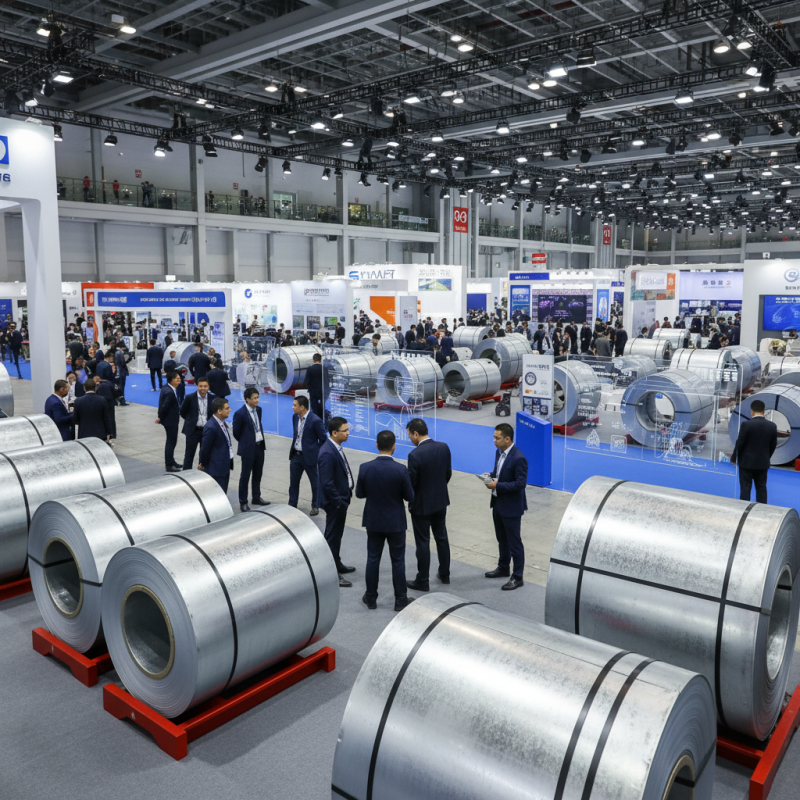
Understanding Galvanized Steel Coil: Properties and Applications
Galvanized steel coils are widely used in construction and manufacturing. This material is steel that has been coated with zinc to prevent corrosion. It provides strength and durability, making it ideal for various applications. The process of galvanization enhances the steel's resistance to rust and wear.
When sourcing galvanized steel coils, it’s crucial to understand their properties. The thickness and coating weight can affect performance. Pay attention to the tensile strength and formability as well. These factors impact how the coils perform under stress.
**Tips:** Examine the coils closely. Look for any signs of rust or damage. A surface defect can compromise strength. Ensure the coils meet your project specifications to avoid failures later. Always ask for certificates of quality. It can help verify the properties you are paying for.
Remember, choosing the right supplier matters. Not all suppliers provide the same quality. Research suppliers before the fair. Check their reputation and previous projects. Make a list of questions to ask when you meet them in person. Your due diligence can save you time and headaches.
Key Industries Utilizing Galvanized Steel Coils in 2026
In 2026, several industries heavily rely on galvanized steel coils. The automotive sector, for instance, utilizes these coils for their corrosion resistance and durability. Car manufacturers produce parts and frames using this material. It ensures longer lifespan and reliability for vehicles. The construction industry also benefits greatly from galvanized steel. Builders often use it for roofing, framing, and fencing. The resistance to rust makes it ideal for outdoor applications.
Another key industry is appliance manufacturing. Kitchen appliances require materials that withstand moisture and wear. Galvanized steel coils fit this need perfectly. The home appliance sector appreciates the aesthetics combined with functionality. Additionally, the energy sector uses these coils in various applications. They are vital in constructing wind and solar energy structures. However, finding the right suppliers at events like the Canton Fair can be challenging.
Searching for quality galvanized steel coils takes careful consideration. Price isn’t the only factor; quality matters just as much. Sketching out specific requirements helps in discussions. Consider asking suppliers for samples to evaluate. Mistakes in material selection can lead to project delays. It’s essential to reflect on experiences from past sourcing trips. Small missteps can result in larger issues down the line, affecting overall productivity.
How to Identify Quality Galvanized Steel Coils at Canton Fair
When sourcing galvanized steel coils at the Canton Fair 2026, quality is paramount. Look for coils that meet industry standards, such as ASTM A653. This specification outlines the minimum requirements for galvanization, essential for corrosion resistance. A recent report from the International Steel Association indicates that high-quality galvanized steel can improve lifecycle durability by up to 50%.
Inspect the surface for any imperfections. A smooth, even coating is essential. Rust spots or bubbles can compromise the protective layer. Inadequate galvanization may reduce the coil's lifespan. It's crucial to ask suppliers about their quality assurance processes. A reliable source will provide detailed information about their production methods.
Another critical factor is the thickness of the galvanization. The average coating weight varies, with commercial applications often requiring at least G60 or G90. This means a thickness of 0.60 to 0.90 ounces per square foot. Make sure to check the specifications and request samples when possible. This practice can help avoid sourcing decisions based on inadequate information, leading to unforeseen costs in the long run.
Negotiation Strategies for Sourcing Galvanized Steel Coils
Negotiating for galvanized steel coils requires a solid understanding of market dynamics. Recent reports indicate that the demand for galvanized steel is projected to grow by 5% annually. This trend reflects increasing applications in construction and automotive industries. When attending events like the Canton Fair, familiarity with this data helps you establish a strong negotiating position.
Effective negotiation strategies include preparation and active listening. Create a checklist of your priorities. Know the price range for galvanized steel coils based on industry reports. Suppliers often vary their pricing based on quantity and delivery terms. Pay attention to local suppliers, as they might offer competitive rates. Some may even have flexible payment terms, which is crucial for negotiations.
Don’t overlook the importance of building relationships. Long-term partnerships can lead to better pricing and quality. Yet, be wary of potential inconsistencies in product quality. Ask for samples, and inspect them thoroughly. It’s also essential to question suppliers about their sourcing methods. Transparency can reveal much about their reliability. Always aim for clarity in agreements to minimize misunderstandings.
Galvanized Steel Coil Sourcing Trends at Canton Fair 2026
Essential Documentation and Regulations for Importing Steel Coils
When sourcing galvanized steel coils at the Canton Fair 2026, understanding essential documentation is crucial. Importing steel coils requires several key documents. A commercial invoice outlines the transaction details. The bill of lading serves as proof of shipment. Customs declaration forms must also be filled out correctly. Missing or inaccurate documents can lead to delays.
One important aspect to consider is compliance with local regulations. Each country has specific requirements for importing steel. Researching these regulations can save you time and money. Ensure you have the necessary certificates related to quality and safety standards. An incorrect assumption about these regulations could result in legal issues.
Tips: Always double-check your paperwork. Incomplete forms can lead to penalties. Engage with local experts for the latest regulations. Understanding the rules will help you navigate the complexities of importing steel effectively. Importing can be daunting, but detailed preparation can lead to success.