What is a Slitter Cutter Machine and How Does It Work?
The Slitter Cutter Machine is a vital tool in many industries. It specializes in cutting large rolls of materials into smaller, manageable sizes. This machine enhances efficiency and precision in production lines.
Understanding how a Slitter Cutter Machine operates is crucial. It uses sharp blades to slice through materials like paper, plastic, or metals. The machine can be adjusted for different thicknesses, allowing versatility. It is fascinating to see how this equipment transforms raw materials into finished products.
However, operating a Slitter Cutter Machine is not without challenges. Technical issues can arise unexpectedly, affecting production. Additionally, safety concerns must be addressed to prevent accidents. Each of these factors highlights the importance of proper training and routine maintenance for optimal performance.
Understanding the Basics of Slitter Cutter Machines
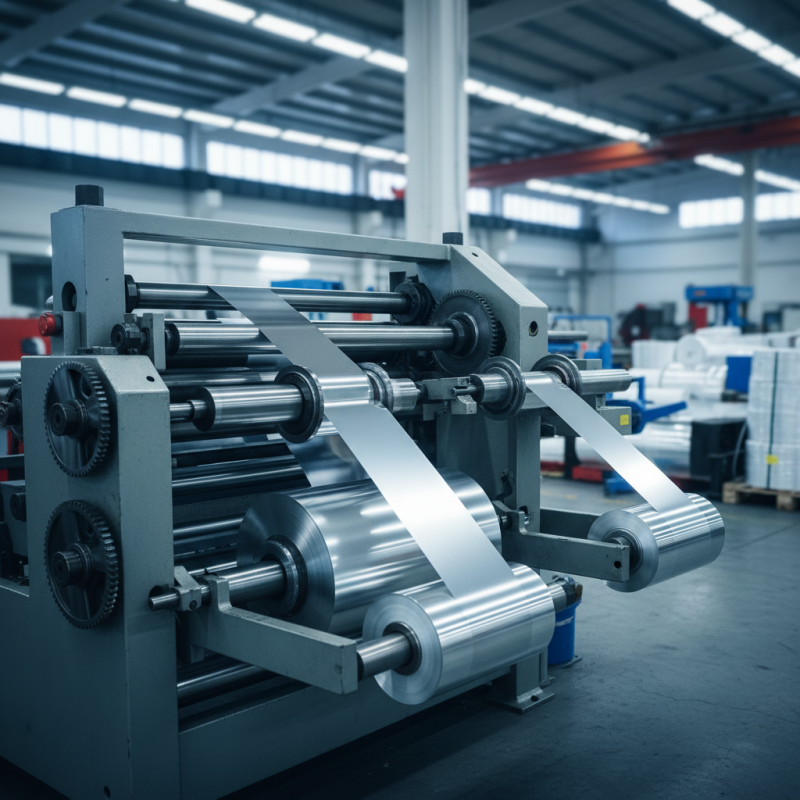
A slitter cutter machine is an essential tool in various industries. It is designed to cut large rolls of material into narrower strips. Understanding how these machines operate can aid manufacturers in maximizing their efficiency. These machines utilize sharp blades or knives that slice through materials like paper, plastic, and metal. The setup typically includes unwinding units, slitting units, and rewinding units.
Every component of a slitter cutter machine plays a role in the cutting process. For instance, precision is crucial for achieving the desired strip width. Operators must frequently adjust the blades and check the alignment. It's easy to overlook small details that can lead to significant errors. Regular maintenance is necessary to prevent wear and tear, which can affect performance.
Moreover, understanding the machine's specifications is vital. Manufacturers should consider speed, capacity, and types of materials being processed. Equipment that is too fast may compromise accuracy. Workers often grapple with complex setups, leading to potential inefficiencies. Continuous training and experience can help, but mistakes can still happen, prompting reflection and improvement in operational practices.
Components of a Slitter Cutter Machine Explained
A slitter cutter machine is a vital tool in various industries for cutting large rolls of material into narrower rolls. Understanding its components is key to its efficient operation. The machine typically features an unwind stand, slitting blades, and a rewind section. Each part plays a crucial role in ensuring precision and quality during the cutting process.
The unwind stand supports the large rolls. It allows for smooth feeding. The tension must be properly adjusted; otherwise, the material can warp. The slitting blades are critical. They slice through materials like paper, plastic, or metal. According to industry reports, blades require regular maintenance.
Dull blades can lead to poor quality cuts. The rewind section gathers the narrower rolls. This part ensures smooth winding to avoid jams and inconsistencies.
Understanding the dynamics of these components is essential. Often, operators overlook routine checks.
Regular maintenance is not just an option; it's a necessity. High-performance machines rely on each component functioning optimally. Reports indicate that inefficiencies can cost businesses significantly. It’s clear that
maximizing output hinges on understanding these parts and their interactions.
How Slitter Cutter Machines Operate: Step-by-Step Process
Slitter cutter machines are vital in various industries. They process materials like paper, plastic, and metal. The operation involves multiple steps. Understanding these steps can enhance efficiency and production.
Initially, the raw material feeds into the machine. A tension control system ensures a uniform feed. This is crucial for achieving precise cuts. According to industry reports, a consistent feed can increase productivity by up to 30%. Next, blades cut the material into desired widths. The speed and angle of these blades are adjustable. This flexibility caters to different material types and thicknesses.
After cutting, the material is rewound or stacked. This is the final step before shipping. However, challenges can arise during this stage. Misalignment or improper tension can lead to waste. Data shows that operational errors can result in material loss up to 15%. Continuous monitoring is essential to reduce such risks. Operators must remain vigilant. Regular maintenance can prevent failures, ensuring smooth operations over time.
What is a Slitter Cutter Machine and How Does It Work?
| Dimension | Value |
| Machine Type | Slitter Cutter |
| Material Processed | Paper, Film, Foil |
| Cutting Width | 1 to 60 inches |
| Speed | Up to 600 ft/min |
| Blade Types | Rotary, Shear, Razor |
| Power Requirements | Electric, usually 220-480 V |
| Applications | Packaging, Print Industry, Laminating |
| Maintenance Frequency | Every 1000 hours of operation |
Common Applications of Slitter Cutter Machines in Industries
Slitter cutter machines play an essential role in various industries. These machines are designed to cut large rolls of material into thinner rolls or specific widths. Common applications can be found in packaging, textiles, and paper manufacturing. For instance, the global slitting machine market is projected to reach $1.9 billion by 2026, reflecting its importance in industrial processes.
In the packaging sector, slitter cutter machines are vital for converting flexible materials. They enable precise cuts and improve production efficiency. A report from the Packaging Machinery Manufacturers Institute indicates that over 35% of packaging companies utilize these machines. Common materials include plastic films, paper, and foil. These applications require reliable machinery that can handle varying thicknesses and roll sizes, showcasing the machine's versatility.
In textiles, slitting is crucial for creating strips of fabric. These strips are often used in the manufacturing of garments and upholstery. A study highlights that the textile industry relies heavily on precise cutting techniques. Unquestionably, there are still challenges, such as material waste and downtime during maintenance. Addressing these issues remains a priority for manufacturers to optimize performance and minimize costs.
Maintenance Tips for Optimal Performance of Slitter Cutter Machines
Maintaining a slitter cutter machine is crucial for ensuring its optimal performance. Regular maintenance can prevent unexpected downtimes and costly repairs. Start by regularly checking the blades for wear and tear. Dull blades can lead to poor cuts and increased waste. Replace them when needed, and keep a log of blade usage to monitor performance.
Lubrication is another key aspect. Ensure all moving parts receive adequate lubricant. This reduces friction and helps the machine run smoothly. Over time, accumulation of debris may block lubrication points. Clean these areas regularly to maintain optimal machine health. Ignoring these small tasks can lead to bigger issues later.
Consider conducting routine inspections to check alignment and tension of the machine’s components. Misalignment can cause uneven cuts and increased stress on the machine. Document any irregularities, and don't hesitate to consult professionals if issues persist. Even small oversights can lead to significant challenges in production. Keeping a consistent maintenance schedule is essential.