1-208-754-4884

How to Select the Right Hydraulic Pressure Valves for Your System?
In the world of hydraulic systems, selecting the right hydraulic pressure valves is crucial. John Smith, a leading expert in hydraulic engineering, once stated, "The efficiency of a hydraulic system depends significantly on the valves used." Choosing the right valves can enhance system performance and ensure safety. A single error in selection can lead to system failures.
Hydraulic pressure valves control fluid flow and pressure. Their importance cannot be overlooked. Engineers must consider various factors, including the operating environment and fluid type. Understanding these aspects can make a significant difference. It's not just about functionality; it’s about reliability and durability too.
Sometimes, even seasoned professionals make mistakes in valve selection. Overlooking system specifications can be costly. Therefore, thorough research and consultation are vital. Balance between quality and cost is challenging. It requires deep knowledge and careful consideration. Choosing hydraulic pressure valves is not simply a technical task; it involves strategic thinking.
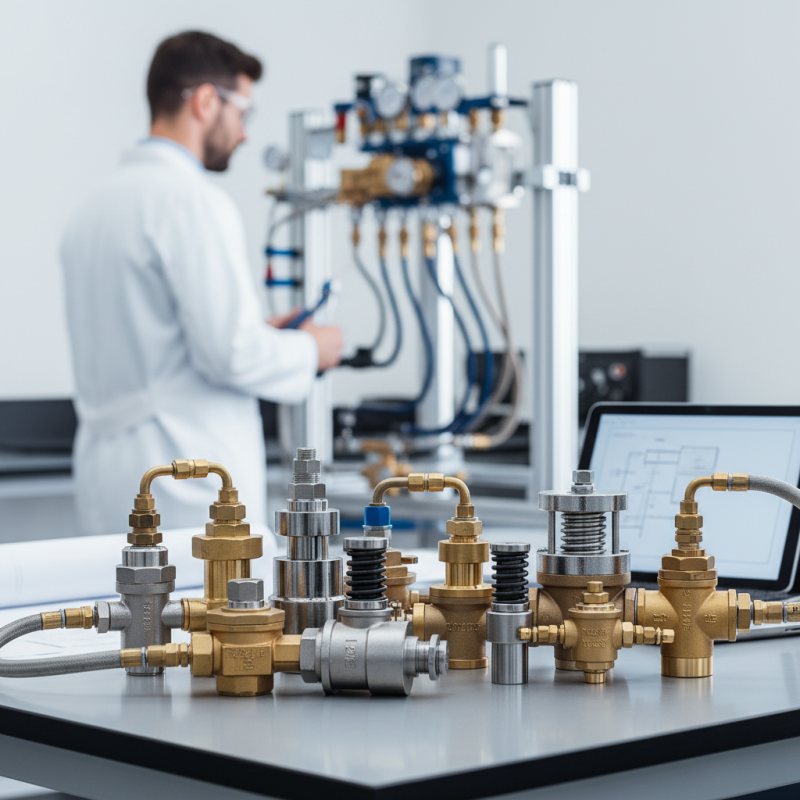
Table of Contents
[Hide]
Understanding Hydraulic Pressure Valves and Their Functionality
Hydraulic pressure valves play a crucial role in controlling fluid flow. They regulate the pressure and ensure the system operates efficiently. A well-functioning valve helps in maintaining the desired pressure levels. This prevents system failures and enhances productivity. Understanding their functionality is essential for selecting the correct valve.
These valves come in various types, such as relief, flow control, and throttle valves. Each type has a unique purpose. Relief valves protect systems from pressure spikes. Flow control valves manage the speed of actuators. Throttle valves adjust the flow to maintain stability. Knowing which valve suits your needs is vital.
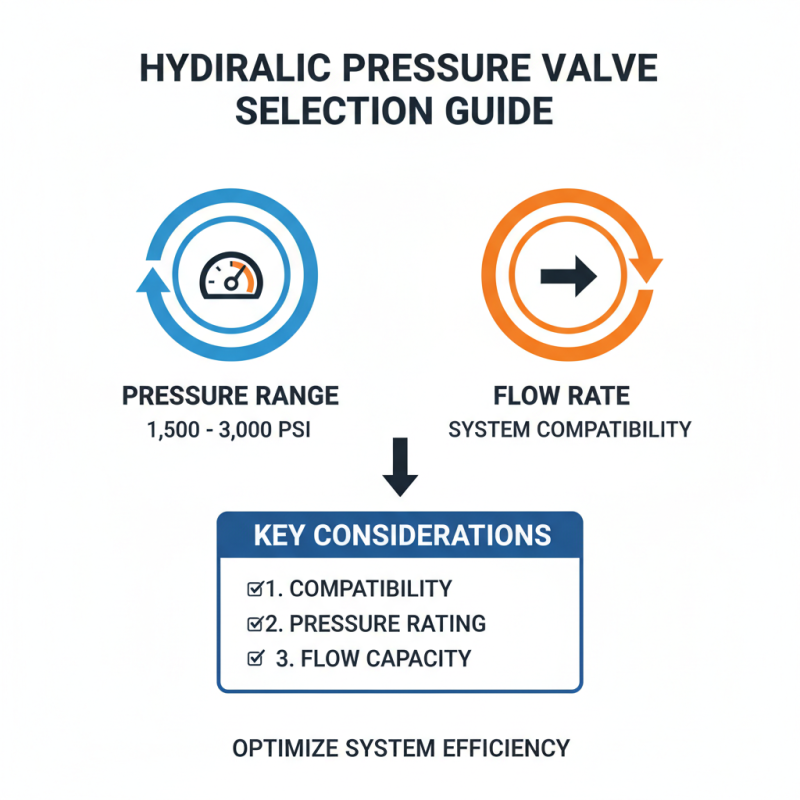
Selecting the right valve may seem simple. However, many overlook critical factors. For instance, check specifications like maximum pressure ratings. Also, consider the fluid type. Simply choosing the most expensive valve isn’t always the best decision. An ill-fitting valve can lead to inefficiencies. It’s important to evaluate the entire hydraulic system before making a choice. Reflecting on these aspects may prevent costly mistakes in the long run.
How to Select the Right Hydraulic Pressure Valves for Your System?
| Valve Type | Functionality | Typical Applications | Pressure Range (psi) | Flow Rate (GPM) |
|---|---|---|---|---|
| Relief Valve | Prevents excess pressure in the system. | Hydraulic presses, injection molding machines | 1,500 - 4,000 psi | 10 - 100 GPM |
| Directional Control Valve | Controls the direction of fluid flow. | Construction equipment, agricultural machinery | 1,500 - 3,000 psi | 5 - 50 GPM |
| Check Valve | Allows flow in one direction only. | Fluid lines, hydraulic circuits | 1,000 - 4,500 psi | 10 - 60 GPM |
| Pressure Reducing Valve | Reduces input pressure to a desired lower output pressure. | Industrial hydraulic systems | 750 - 2,500 psi | 15 - 75 GPM |
| Flow Control Valve | Regulates the flow rate in a hydraulic system. | Cylinders, motors | 1,000 - 3,000 psi | 2 - 40 GPM |
Related Posts
-
Understanding the Technical Specifications of the Best Hydraulic Valve and How to Choose the Right One for Your Needs
-
Mastering the Selection Process for Best Hydraulic Pressure Valves in Global Sourcing
-
Comprehensive Solutions for Optimizing Hydraulic Pressure Control Valve Performance
-
Unlocking Efficiency: Comprehensive Guide on the Features and Applications of Best Hyd Control Valves
-
Exploring Central Valves Innovations at the 2025 China Import and Export Fair
-
Understanding the Different Types of Control Valves: A Comprehensive Guide