What is Recard Tissue Machine at the 139th Canton Fair?
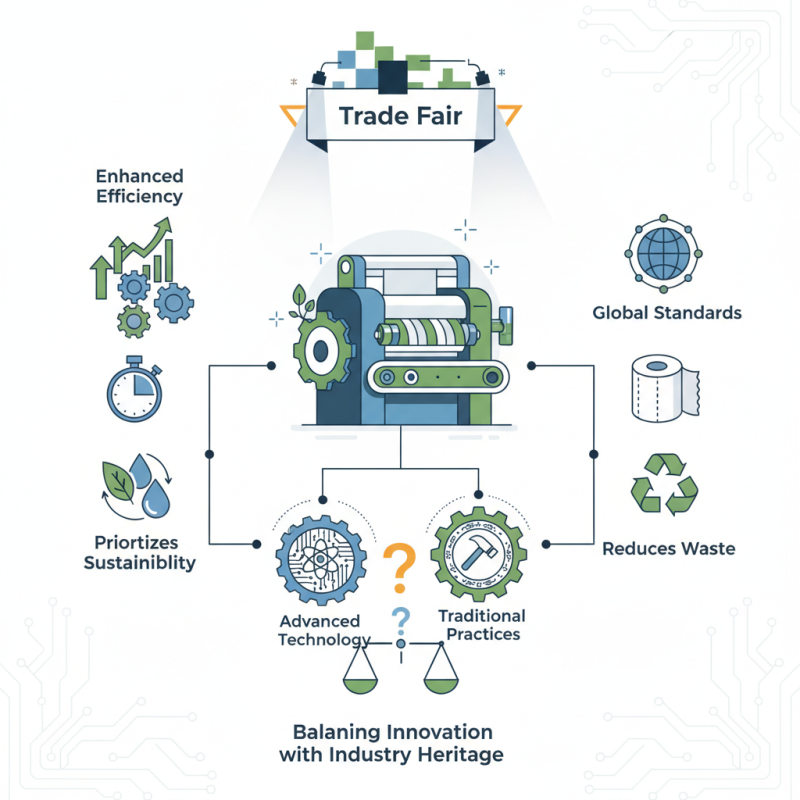
At the 139th Canton Fair, the spotlight shines on the Recard Tissue Machine. This innovative piece of equipment is revolutionizing the tissue production industry. As industry expert Dr. Emily Chen remarked, “The Recard Tissue Machine not only enhances efficiency but also prioritizes sustainability.”
The fair is set to showcase advancements in manufacturing and machinery. The Recard Tissue Machine exemplifies this by combining state-of-the-art technology with environmental consciousness. It is designed to meet global standards, providing a high-quality product while reducing waste.
Many attendees are eager to learn how this machine can transform their operations. However, some concerns linger. Will the integration of advanced technology align with the traditional practices of manufacturers? The Recard Tissue Machine invites reflection on balancing innovation with industry heritage.
What is Recard Tissue Machine and Its Significance in the Industry?
The Recard Tissue Machine stands out at the 139th Canton Fair. This machine represents significant innovation in the tissue paper production industry. Tissue consumption globally reaches over 200 million tons annually, with a consistent growth rate of around 2.5% per year. Such statistics highlight the increasing demand for efficient production machinery.
The Recard Tissue Machine offers advanced technology. It enhances efficiency, minimizing waste during production. With the machine, the production speed can exceed 2,000 meters per minute. Producing high-quality tissue paper is no longer a slow process. However, many companies still struggle with integrating such advanced machines effectively. Employee training and maintenance are often overlooked.
Tip: Regularly train your employees on machine operation. Knowledge boosts productivity.
Another advantage is sustainability. Recard machines use less energy and water. This aligns with the global trend toward eco-friendly practices. Yet, some users fail to implement these machines optimally. Monitoring resource usage can improve sustainability efforts significantly.
Tip: Always track your resource consumption. Small adjustments can lead to major savings.
Investing in the Recard Tissue Machine might seem daunting. However, the long-term benefits in efficiency and sustainability could far outweigh initial costs. Industry reports show that companies adopting advanced machinery see a 15% return on investment within two years.
Overview of the 139th Canton Fair: Key Highlights for Tissue Machines
The 139th Canton Fair showcased a variety of innovations, particularly in tissue machines. This sector is rapidly growing, with the global market expected to reach $60 billion by 2025. The demand for eco-friendly production methods has surged. Many manufacturers are now focusing on sustainability.
During the fair, visitors saw advanced tissue machine technologies. Innovations included energy-efficient systems and biodegradable materials. These advancements promote a reduction in carbon footprints. Various exhibitors highlighted their commitment to environmentally friendly processes. However, the industry faces challenges. The transition to greener options is often costly and complex for many companies.
Participants noted a high interest in automation. Smart technology can enhance production efficiency. Reports suggest that automating tissue production can reduce labor costs by 30%. Yet, some manufacturers struggle to implement these technologies. Training and initial investment remain barriers. The fair provided opportunities to connect and share experiences, but the path to progress is not straightforward.
Technical Specifications of Recard Tissue Machines: Features and Benefits
At the 139th Canton Fair, the Recard tissue machine stands out for its advanced features and benefits. These machines are designed to enhance production efficiency in the tissue paper sector. They are equipped with high-speed technology, allowing for rapid processing of raw materials. This results in quick turnaround times, which is essential for meeting market demands.
The technical specifications reveal a focus on sustainability. Eco-friendly processes minimize waste and energy consumption. The user-friendly interface allows operators to maintain ease of use. Many find it challenging to balance efficiency with quality. Machine settings can be complex, requiring proper training. It's worth noting that some users have reported initial difficulties in achieving optimal output.
Durability is another key benefit. The robust design ensures a long lifespan, leading to lower replacement costs. However, regular maintenance is crucial. Neglecting this can lead to downtime. Overall, the Recard tissue machine presents a blend of innovation and practicality, making it a noteworthy choice for manufacturers in the industry.
What is Recard Tissue Machine at the 139th Canton Fair? - Technical Specifications of Recard Tissue Machines: Features and Benefits
| Specification | Details |
| Machine Type | Tissue Paper Machine |
| Production Capacity | 1000-3000 tons/year |
| Web Width | 2000 mm - 3000 mm |
| Raw Material | Recycled Paper, Virgin Pulp |
| Energy Consumption | Low Energy Consumption, Eco-Friendly |
| Key Features | High Efficiency, Advanced Control System |
| Finishing Options | Embossing, Perforating, Cutting |
| Automation Level | Fully Automated |
| Control System | PLC Control with Touchscreen Interface |
Market Demand Analysis for Tissue Products: Trends and Growth Projections
The demand for tissue products continues to rise. Many consumers seek high-quality, eco-friendly options. This trend pushes manufacturers to innovate. The market is shifting from basic to premium products. Consumers desire softer, stronger, and more absorbent tissue.
Market analysis reveals several insights. Young consumers prefer sustainable materials. They want products that are not only functional but also environmentally friendly. The pandemic has increased awareness of hygiene, fueling growth. People use tissue products more frequently due to health concerns.
However, challenges persist in this evolving landscape. Some companies struggle to keep up with demand. Others face sourcing issues for sustainable materials. Additionally, pricing pressures can reduce profit margins. Balancing quality and cost is crucial. The future of the tissue market hinges on addressing these issues while tapping into growing consumer preferences.
Sustainability Efforts in Tissue Manufacturing: Recard’s Innovations at the Fair
At the 139th Canton Fair, innovations in tissue manufacturing took center stage. A prominent company showcased its latest machine focused on sustainability. This advancement signifies a shift toward eco-friendly practices within the industry. The machine operates on energy-efficient designs that reduce waste. Its features include using recycled materials and reducing water consumption significantly.
However, while these innovations are commendable, challenges remain. Some experts argue that true sustainability goes beyond technology. There are concerns about the entire lifecycle of products, including sourcing and disposal. Industry professionals must consider this broader perspective for genuine progress. Additionally, implementing these technologies will require substantial investment from manufacturers.
The fair highlighted the importance of collaboration among stakeholders. Many discussions centered on finding effective solutions to ongoing environmental issues. Attendees engaged in brainstorming sessions about sustainable practices. This engagement showed a collective desire for a better future in tissue manufacturing. However, it also revealed the work that still needs to be done. A balance between innovation and environmental responsibility is crucial for long-term industry success.
Sustainability Efforts in Tissue Manufacturing