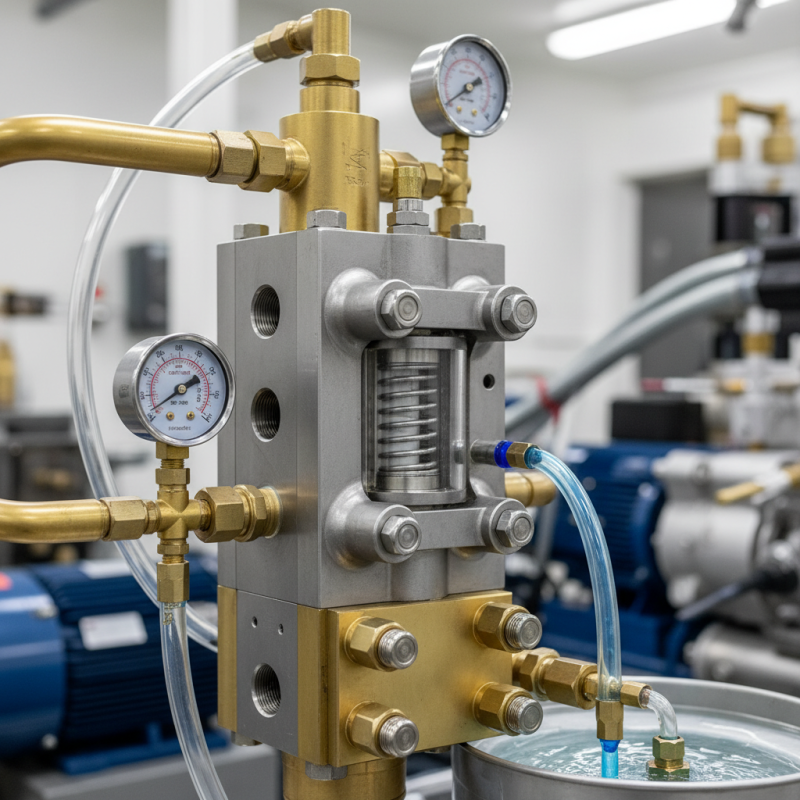
What is an Overflow Valve Block and How Does It Work?
In the world of hydraulic systems, the role of an Overflow Valve Block is crucial. Esteemed expert Dr. John Smith once stated, "An Overflow Valve Block safeguards the system, preventing damages caused by excessive pressure." This simple yet effective device maintains balance within the hydraulic circuit.
Understanding how an Overflow Valve Block operates is vital for engineers and technicians. It acts as a safety net, redirecting fluid when pressure rises too high. This mechanism not only protects equipment but also ensures reliability in performance.
Yet, the complexity of hydraulic systems can lead to misunderstandings. Many overlook the importance of regular maintenance of the Overflow Valve Block. Neglecting this could result in costly repairs. A proactive approach can mitigate risks and enhance system longevity. Awareness and knowledge are key in this component's effective use.
What Is an Overflow Valve Block?
An overflow valve block is an important component in fluid systems. It helps regulate the flow of liquids, preventing excess pressure buildup. This device maintains system efficiency and protects against potential damage. Without it, systems can fail, leading to costly repairs.
These valve blocks are often used in hydraulic systems. They ensure a consistent pressure level by allowing fluid to bypass when needed. Typically, they are mounted on pressure lines, close to pumps or actuators. Their design may vary, but their function remains similar. They need to be calibrated correctly for optimal performance.
However, like any mechanical device, overflow valve blocks can malfunction. Issues may arise from wear and tear or improper installation. Regular maintenance and inspection can help identify potential problems. Understanding how these components work is vital in preventing expensive downtime. Changes can often go unnoticed until serious issues develop. Keeping a close eye on performance metrics is crucial.
Key Components of an Overflow Valve Block
An overflow valve block is a crucial component in hydraulic systems. It prevents excessive pressure that could damage the system. Understanding its key components is essential for efficient operation.
One main part is the valve body. It houses the internal mechanisms. The design affects how well it functions under pressure. The spring is another significant element. It controls the valve's opening and closing based on pressure levels. If the spring is too stiff, it may not respond quickly to changes. This can lead to system failures.
Another important component is the adjustment screw. It allows for fine-tuning of the pressure settings. Getting the right adjustment is key. Too much pressure can cause leaks or ruptures. Too little can lead to inadequate system performance.
**Tip:** Regularly check the spring and adjustment settings. This ensures the system remains efficient.
Finally, the ports connect the overflow valve block to the hydraulic system. Proper alignment is crucial. Misalignment can lead to blockages or ineffective operation.
**Tip:** Inspect for leaks around the ports. They can indicate wear and tear on the system.
Hydraulic systems rely on these components working well together. Small mistakes can lead to costly repairs or downtime. Maintenance is not just a task; it’s a necessity for longevity.
How Overflow Valve Blocks Function in Fluid Systems
Overflow valve blocks play a crucial role in fluid systems. These devices manage pressure and control flow effectively. They prevent excessive pressure buildup, which can damage equipment. By directing excess fluid back to the reservoir, overflow valve blocks maintain system stability.
In operation, the block contains multiple valves. Each valve responds to specific pressure levels. When pressure exceeds a set limit, the overflow valve opens. This release creates a controlled environment. Fluid is returned to a safe zone rather than causing potential hazards. The design often includes springs and seals that require regular checks. Over time, wear and tear can affect performance.
Monitoring these blocks is essential for efficiency. A neglected overflow valve can lead to system failures. Users should be aware of signs, such as leaks or unusual noises. These can indicate the need for maintenance. Understanding the function of overflow valve blocks enhances overall system reliability. It's a simple component but vital for smooth operations.
Applications of Overflow Valve Blocks in Industry
Overflow valve blocks are essential in many industrial applications. They play a crucial role in managing pressure within hydraulic systems. With the growing demand for efficient hydraulic solutions, these components have gained significance across various sectors. In fact, the global hydraulic valve market is expected to reach over $30 billion by 2025. This growth highlights the need for reliable pressure control mechanisms.
In manufacturing, overflow valve blocks maintain safe operational levels. They prevent damage by redirecting excess pressure. This function is vital in heavy machinery and automotive systems. A report from the International Journal of Mechanical Engineering indicates that systems with efficient overflow valves have a failure rate 20% lower than those without. This demonstrates their importance in enhancing system reliability.
Tips: Regular maintenance of overflow valve blocks can prevent costly downtimes. Check for leaks or blockages monthly. Additionally, choosing the right size for your specific application is crucial. An oversized valve may lead to inadequate pressure management, while an undersized one can fail under pressure. Keep these factors in mind to optimize system performance.
Maintenance and Troubleshooting of Overflow Valve Blocks
Overflow valve blocks are crucial in hydraulic systems. They help regulate pressure, prevent overloading, and maintain efficiency. However, maintaining these blocks is essential for optimal performance.
Regular inspection is key. Look for leaks or abnormal noises. Small issues, if ignored, can lead to larger problems. Check seals and connections for wear. Replace any damaged parts promptly. A proactive approach can save time and money.
Tips: Always use the correct tools for maintenance. Keep your workspace clean to avoid contamination. Document findings during inspections. This will help track any recurring issues.
When troubleshooting, start with a basic understanding of the system. Disconnect the power and check for excess pressure. Listen for unusual sounds during operation. These could indicate underlying issues. Seek professional help if problems persist. Maintaining an overflow valve block requires diligence and care.
Overflow Valve Block Performance Data