Intelligent Forklift Trends at 2026 Canton Fair Insights?
The 2026 Canton Fair promises to be a significant platform for showcasing trends in Intelligent Forklift-Chinese technology. As the world advances, so does the need for smarter logistics solutions. The incorporation of AI technology at the fair is set to revolutionize the way businesses engage with suppliers and products.
With a focus on advanced manufacturing and machinery, the event will highlight the latest developments in intelligent forklifts. These devices are becoming crucial for enhancing efficiency in large warehouses and distribution centers. Encountering precise navigation and AI-driven supplier searches will help buyers make informed decisions. However, some may feel overwhelmed by the amount of information available.
The fair will span various industries, with a special emphasis on machine efficiency and innovation. Intelligent forklifts will likely receive attention for their potential to streamline operations. Yet, the growth of automation brings challenges. Companies must adapt to new technologies while maintaining a skilled workforce. As the event draws closer, the excitement and anticipation for intelligent forklifts in the Chinese market continue to build.
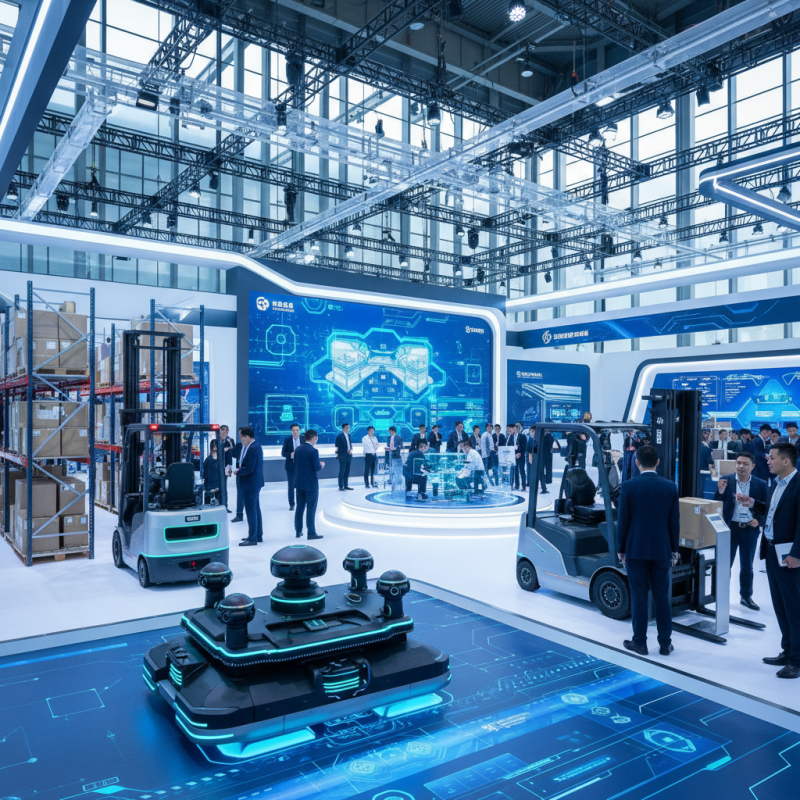
Emerging Technologies in Intelligent Forklifts at the Canton Fair 2026
The 2026 Canton Fair is set to showcase groundbreaking technologies in intelligent forklifts. These modern machines will integrate advanced sensors and AI to enhance efficiency. With real-time monitoring, they can adapt to dynamic warehouse environments. Imagine a forklift that recognizes a change in aisle layout instantly!
Safety remains a priority. Intelligent forklifts will feature enhanced obstacle detection systems. Yet, reliance on technology can foster complacency among operators. Training will be crucial as operators need to stay alert. While automation increases efficiency, it also demands a balance with human oversight.
Adoption of electric power systems is another trend. These systems promise lower emissions and reduced noise levels. However, there might be challenges in charging infrastructure. Not every warehouse is ready for this transition. Overall, the future looks promising, but it will require careful planning and adaptation.
Impact of AI and Automation on Forklift Performance and Safety
As the 2026 Canton Fair approaches, the integration of AI and automation in forklifts is a hot topic. These technologies are revolutionizing forklift performance. They enhance efficiency in material handling and logistics. Automated forklifts can navigate complex warehouse layouts with precision. This reduces the need for human intervention. However, reliance on technology can lead to unintended consequences. Software bugs might cause operational delays.
Safety is another critical aspect influenced by these advancements. AI-driven systems can detect obstacles and avoid collisions. This significantly reduces workplace accidents. Yet, there's still a chance of system failure. Training for personnel remains essential, as workers need to understand automation limitations. Moreover, overdependence on automation may decrease human oversight.
The blend of AI and traditional forklift operations requires careful monitoring. While automation can streamline processes, it is not foolproof. Companies must find a balance between tech reliance and human skills. This ensures safety and performance are not compromised. The future of forklifts will undoubtedly be exciting, yet caution is vital.
Intelligent Forklift Trends at 2026 Canton Fair Insights
| Trend | Impact on Performance | Impact on Safety | Forecast for 2026 |
| AI Integration | Increased operational efficiency | Enhanced predictive safety measures | Widespread adoption expected |
| Automation | Reduction in manual handling errors | Decreased accident rates | 50% of forklifts may be automated |
| Telematics | Real-time performance analytics | Improved monitoring of safety protocols | Integration into 70% of new models |
| IoT Connectivity | Smart inventory management | Increased situational awareness | Mainstream technology by 2026 |
| Enhanced User Interfaces | Improved operator interaction | Safer user experience | User-friendly designs expected to grow |
Sustainability Trends in Intelligent Forklift Designs and Operations
Sustainability is reshaping the design and operation of intelligent forklifts. Manufacturers are focusing on eco-friendly materials and energy-efficient technologies. These methods reduce waste and conserve resources. For example, lightweight materials are increasingly used to enhance energy efficiency. This shift helps lower the carbon footprint in warehouses and distribution centers.
However, challenges remain. Not all companies prioritize sustainability. Some may not see the immediate financial benefits. Additionally, retrofitting existing equipment can be complex and costly. As intelligent forklifts integrate more automation, the reliance on software systems increases. These systems need constant updates and maintenance, which can be resource-intensive.
The industry must reflect on its practices. Are we genuinely committed to a green future? Every player has a role to play. Collaboration among stakeholders is essential to drive innovation and implement sustainable solutions. Only then can we transform the logistics landscape for the better.
Market Demand and Consumer Preferences for Smart Forklifts in 2026
The demand for smart forklifts is on the rise as we approach the 2026 Canton Fair. Many industries are seeking more efficient and safe solutions for handling materials. Smart forklifts offer features like automated navigation and load sensor integration. This reduces the likelihood of accidents and improves productivity. Businesses want technology that enhances efficiency and minimizes human error.
Consumers are leaning towards forklifts with advanced features. For example, real-time data tracking can significantly optimize logistics operations. Features like remote control and predictive maintenance are appealing to many buyers. However, not all companies are ready to invest in these technologies. Some still rely on traditional methods, fearing upfront costs. This reluctance can hinder their growth potential.
Tips: When considering smart forklifts, evaluate your specific needs. Identify the tasks you want to automate. It is crucial to balance innovation with practicality. Assessing long-term benefits can justify the initial investment. Also, engage employees in this transition. Their feedback can guide successful implementation. They will experience the change firsthand and can offer valuable insights.
Key Companies and Innovations Showcased at the Canton Fair for Forklifts
The 2026 Canton Fair showcased diverse innovations in the intelligent forklift sector. Various companies presented new technologies aimed at enhancing forklift efficiency and automation. Among these innovations were advanced sensors and AI-driven systems. These features promise to improve safety and productivity in warehouses.
Some displays highlighted the integration of IoT in forklifts. Real-time data tracking was a significant focus. Attendees noticed how these systems could facilitate better load management and usage analytics. However, the complexity of these systems raises questions about user training and adaptability. All this technology can be overwhelming.
The exhibits also included ergonomic designs. Comfort is key in reducing operator fatigue. Yet, some designs lacked detailed usability assessments. The fair emphasized a need for continuous improvement in both technology and design. There are gaps to fill as companies consider user experience alongside innovation.
Intelligent Forklift Trends at 2026 Canton Fair
This chart displays the projected growth of intelligent forklift technologies across various sectors by 2026, based on insights gathered from the Canton Fair.