How to Choose China Best Ammonium Chloride Powder Supplier?
Choosing the right ammonium chloride powder supplier requires more than comparing prices. A reliable decision begins with evidence, not attractive promises. W. Edwards Deming, a respected quality-management expert, stated, “Quality comes not from inspection, but from the improvement of the production process.” This principle fits chemical sourcing closely. Consistent quality should be built into manufacturing, testing, packaging, and delivery.
Examine the supplier’s product specifications carefully. Check purity, moisture, particle size, insoluble matter, and heavy-metal limits. Request a recent Certificate of Analysis for each production batch. A clear document should show testing methods, results, batch numbers, and authorized approval. Sample testing is also valuable. White powder is not proof of uniform quality.
Look deeper.
Ask about raw-material controls, production equipment, storage conditions, and batch traceability. A dependable supplier should explain how Ammonium Chloride Powder is packed against moisture, contamination, and damage during transport. Visit the facility when practical, or request audit records, photographs, and third-party inspection evidence. Confirm relevant safety documentation, labeling, and transport information for your destination market.
Price still matters, but it can mislead. The cheapest offer may create hidden costs through inconsistent batches, delayed shipments, or rejected materials. I would also question suppliers who guarantee perfection without showing records. No checklist is perfect. Your application may require additional tests, especially for food, pharmaceutical, laboratory, agricultural, or industrial use.
The strongest supplier combines stable production with honest communication. Start with a controlled trial order, compare results, and record every concern. Trust should be earned batch by batch.
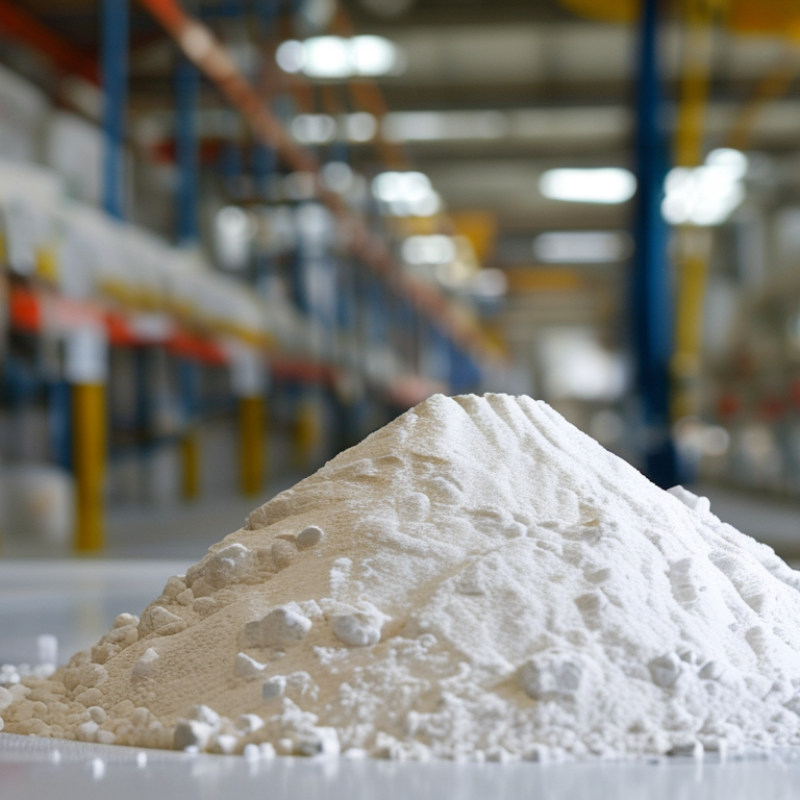
Understanding Ammonium Chloride Powder Requirements
Choosing China’s best ammonium chloride powder supplier starts with defining the actual material requirement. NIST lists ammonium chloride’s molecular weight as 53.49 g/mol. Therefore, assay results should be checked against nitrogen content, chloride content, and application needs. Agricultural users may require a specific nitrogen percentage, particle size, moisture limit, and anti-caking performance. Industrial users may focus more on purity, solution clarity, and trace metals. Do not use “high purity” as a complete specification. It is too vague.
The International Fertilizer Association reports fertilizer demand by nutrient tonnes, not simply product weight. This makes nitrogen-based comparison essential when evaluating quotations. Ask each supplier for a recent certificate of analysis, batch number, production date, test method, and sampling procedure. Check whether the stated values match the applicable Chinese GB/T specification or your destination standard. Packaging also matters. A 25-kilogram bag can absorb moisture through damaged seams during port handling. Request pallet details, liner material, storage guidance, and transport records. A factory audit should review weighing equipment, laboratory controls, dust management, and batch traceability. One document is not proof. Independent pre-shipment testing is wiser, although it adds cost and time. The lowest quotation may hide inconsistent granulation or excessive moisture. Supplier selection should balance verified quality, stable capacity, responsive technical support, and realistic delivery performance.
Checking Product Quality, Purity, and Technical Specifications
When evaluating a China ammonium chloride powder supplier, start with the specification, not the sales promise. Request a recent certificate of analysis for the exact production batch. Check assay, moisture, pH, insoluble matter, and particle size against your process requirements. Small differences matter. A powder may look clean yet fail a moisture limit during storage. Ask whether the laboratory uses recognized methods and calibrated instruments. Do not accept a generic certificate.
Purity claims require supporting evidence. Review limits for heavy metals, sulfate, iron, and other relevant impurities. The acceptable range depends on the intended grade and application. Request a technical data sheet with clear testing units and tolerances. Compare those values with a sealed sample from the same lot. A common mistake is testing only appearance. White crystals do not prove consistent chemical performance.
Reliable suppliers should provide lot numbers, production dates, packaging details, and traceability records. Check whether sealed bags resist humidity during transport. Ask for retained samples and independent laboratory verification when the order is important. A factory visit can reveal more than polished documents, including storage conditions and dust control. I would also question unexplained specification changes. Perfect paperwork is not enough. Suppliers can make mistakes, and buyers can overlook them. Record every clarification before signing a purchase agreement.
Evaluating Supplier Qualifications and Manufacturing Capabilities
How to Choose China Best Ammonium Chloride Powder Supplier?
Evaluating Supplier Qualifications and Manufacturing Capabilities
A reliable ammonium chloride powder supplier should provide verifiable business registration and chemical production qualifications. Ask for recent certificates, not scanned documents with unclear dates. Quality systems such as ISO 9001 can support consistency, but certification alone proves little. Check whether the certificate covers the actual production site.
Request a detailed specification sheet, safety data sheet, and certificate of analysis for each batch. Key details include purity, moisture, particle size, heavy metals, and packaging weight. Independent laboratory results can strengthen confidence. Product traceability matters. The supplier should identify raw materials, production dates, lot numbers, and testing records without hesitation.
Visit the factory when possible, or arrange a live video inspection. Observe the crystallization, drying, sieving, and packing areas. Clean floors are not enough. Ask how workers prevent cross-contamination and control humidity during storage. Confirm production capacity through equipment lists, shift schedules, and recent delivery records. A sample may perform well, while regular batches vary. That risk deserves attention. I would compare at least three batches before placing a large order. Some buyers focus only on price and regret ignoring moisture or particle-size differences. A clear complaint process and retained samples can reduce that risk. Supplier claims should be tested against documents, factory evidence, and actual product performance.
Comparing Pricing, Packaging, Delivery, and Export Services
Choosing China’s best ammonium chloride powder supplier requires more than comparing the quoted price. Ask for a current specification sheet, COA, SDS, purity range, moisture level, and test method. A lower offer may hide weaker packaging or higher inland charges. Calculate the landed cost, including export documentation, port fees, insurance, and destination delivery. ICC Incoterms 2020 can clarify which party pays each cost. Request at least three comparable quotations.
Packaging affects product condition and handling efficiency. Common options include 25 kg woven bags with inner liners and 500–1,000 kg jumbo bags. The supplier should confirm pallet quality, container loading photos, batch labels, and moisture protection. Ammonium chloride powder can cake when exposed to humidity. This detail is easy to overlook. UNCTAD states that maritime transport carries over 80% of global merchandise trade by volume, so vessel schedules and port congestion can strongly influence delivery. Confirm production time, booking time, transshipment risks, and a realistic arrival window.
Tips: Choose a supplier that shares traceable batch records and responds clearly to technical questions. The World Bank’s 2023 Logistics Performance Index evaluates customs, infrastructure, international shipments, logistics competence, tracking, and timeliness. Use these categories when reviewing export service. Check whether the supplier can provide non-preferential certificates of origin, packing lists, commercial invoices, and compliant labels. I would also test a small shipment first. It costs more effort, but it may reveal damaged bags, inconsistent powder flow, or slow document handling before a large order. Reliability is not always visible in a spreadsheet.
How to Choose China’s Best Ammonium Chloride Powder Supplier?
Practical evaluation weighting for comparing pricing, packaging, delivery, and export services. The percentages are planning benchmarks rather than company-specific data.
Landed cost has the highest influence because it includes product price, freight, insurance, and handling. Product quality, packaging suitability, delivery reliability, and export documentation should also be verified before placing an order.
Selecting a Reliable China Ammonium Chloride Powder Supplier
Selecting a Reliable China Ammonium Chloride Powder Supplier
Choosing a reliable China ammonium chloride powder supplier requires more than comparing prices. Product consistency matters during storage, blending, and production. Ask for a current certificate of analysis for each batch. Check purity, moisture, particle size, and appearance against your technical requirements. A clear specification sheet prevents expensive misunderstandings.
An experienced supplier should provide an SDS, traceable batch numbers, and suitable packaging details. Request a small sample before placing a large order. Test it under your actual process conditions, not only in a laboratory jar. This practical step can reveal caking, uneven flow, or unexpected odor. Good suppliers explain their testing methods and use calibrated equipment. Independent laboratory verification is also worth considering for critical applications.
Communication reveals reliability. Notice whether the sales and technical teams answer specific questions with evidence. They should discuss production capacity, lead times, export documents, and moisture protection without vague promises. Factory photographs are useful, but an audit or live inspection offers stronger evidence. No supplier is perfect. Even a careful review can miss a seasonal production change. I would request retention samples and written change notifications. That small requirement protects future batches. Payment terms, complaint handling, and replacement procedures deserve attention too. A low quotation may hide weaker packaging or inconsistent quality. Reliable cooperation is built through records, testing, and honest conversations.