
1-208-754-4884

How to Find a Reliable ODM Ring Joint Gasket Supplier?

Choosing a dependable ODM Ring Joint Gasket Supplier requires more than comparing prices. It requires evidence, technical understanding, and careful communication. Ring joint gaskets seal high-pressure flange connections in demanding oil, gas, petrochemical, and power applications. Small dimensional errors can cause leakage, downtime, or costly maintenance.

A reliable supplier should understand API 6A, ASME B16.20, and applicable material requirements. Ask for clear drawings, groove dimensions, hardness ranges, and material certificates. Inconel, stainless steel, soft iron, and carbon steel each serve different operating conditions. The supplier should explain these choices, not simply recommend the most expensive alloy. Request sample reports, inspection records, and traceability from raw material to shipment. That detail matters.

Production experience is equally important. Examine machining quality around the sealing surfaces. Look for clean grooves, consistent ovality, accurate ring numbers, and protected packaging. A strong ODM partner can adjust designs for temperature, pressure, flange type, and installation limits. They should also provide practical feedback when your drawing seems incomplete. That conversation often reveals real expertise.

Do not trust polished brochures alone. Speak with engineers. Check references when possible. A factory visit, video inspection, or third-party review can add confidence. Lead time should include machining, testing, documentation, and shipping risks. A low quotation may look attractive. It may also hide weak inspection controls or unsuitable materials. We should admit one uncomfortable truth: supplier selection is never perfectly risk-free. Even experienced buyers can overlook a small requirement. A written specification, inspection plan, and responsive after-sales process reduce that risk. The right supplier does not merely sell a gasket. It helps protect the entire sealing system.
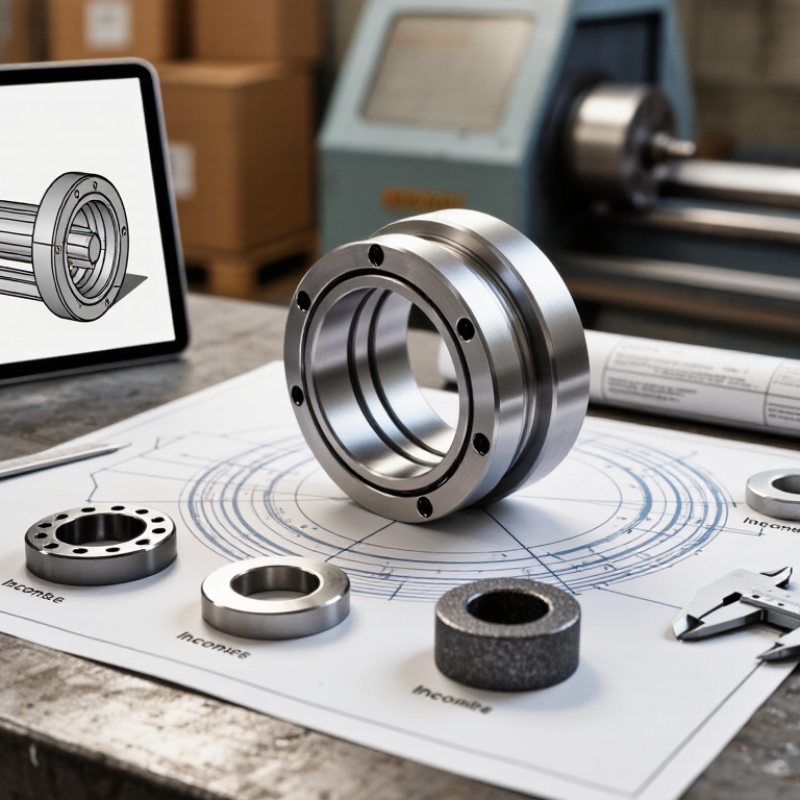
How to Find a Reliable ODM Ring Joint Gasket Supplier?

Define Your Ring Joint Gasket Requirements and Operating Conditions

When evaluating a reliable ODM ring joint gasket supplier, define the application before discussing price. Record the ring number, nominal size, pressure class, flange type, and sealing profile. State the operating temperature and pressure, including possible surges during startup or shutdown. Identify the fluid clearly, such as steam, sour gas, seawater, or corrosive chemicals. Do not guess. Small details matter.

Material selection must match the medium and temperature range. Request hardness data, chemical compatibility evidence, and material certificates for every production batch. For high-pressure service, confirm surface finish, dimensional tolerances, heat treatment, and testing methods. A qualified supplier should review your drawings and question unclear tolerances. That response reveals practical engineering ability. An attractive quotation cannot replace technical review.

In sourcing projects, I have seen failures caused by overlooked flange grooves rather than poor gasket material. Measure groove depth, width, ovality, and surface damage at the installation site. Share photographs when possible. Ask the ODM supplier for trial samples, inspection records, traceability details, and a realistic production schedule. Verify whether custom tooling affects future replacement costs. I would also challenge any promise of universal compatibility. It sounds convenient, but it is rarely precise. A documented approval process, sample inspection, and controlled revision history provide stronger evidence of reliability than general marketing claims.

Verify the Supplier’s ODM Design and Manufacturing Capabilities

A reliable ODM ring joint gasket supplier should prove more than machining capacity. Verify how the supplier turns your sealing requirements into a controlled design. Request a drawing showing groove dimensions, tolerances, material grade, hardness range, and surface finish. The supplier should explain how these choices fit your flange type, pressure, temperature, and media conditions. Ask for design calculations or finite element analysis when the application is demanding. A polished brochure is not enough.

Review the manufacturing route in detail. Check whether the supplier controls forging, heat treatment, CNC machining, marking, cleaning, and final inspection. Ask for sample inspection reports, material certificates, hardness records, and dimensional results from actual production lots. Traceability should connect each gasket to its raw material and process records. Witnessing a coordinate measuring machine inspection can reveal more than a sales presentation. Small details matter.

Tips: Send a controlled drawing, not only a sample photo. Compare pilot samples with the approved design. Confirm how engineering changes are documented. Ask who approves deviations and how quickly they respond. A supplier may promise perfect consistency, but real production can vary. Review at least three batches before approval. Also, challenge unclear answers. If the supplier cannot explain tolerances, tooling wear, or inspection frequency, the ODM capability may be weaker than it appears. Reliability grows through evidence, not confident language.

How to Find a Reliable ODM Ring Joint Gasket Supplier?

Verify whether the supplier can design and manufacture ring joint gaskets for the pressure classes commonly specified in API 6A equipment. The chart shows the standardized working-pressure classes in psi; the supplier should provide drawings, material certificates, dimensional inspection reports, and traceability records for the selected class.

Verification focus: Ask for documented ODM design capability, controlled ring geometry, material and hardness verification, dimensional inspection, surface-finish records, and full batch traceability. Confirm that the selected gasket design matches the flange pressure class and the applicable current standard edition.

Evaluate Materials, Standards, Quality Controls, and Testing

How to Find a Reliable ODM Ring Joint Gasket Supplier?

A reliable ODM supplier must prove material control, not merely quote specifications. Ask for heat numbers, mill certificates, chemical analysis, and complete traceability. API Specification 6A and ASME B16.20 define important requirements for oilfield and metallic gasket applications. For sour service, request compliance evidence for NACE MR0175/ISO 15156. Material selection should match pressure, temperature, corrosion exposure, and flange metallurgy. In practice, a harder gasket is not automatically safer.

Quality controls reveal the supplier’s real capability. Check whether incoming materials receive positive material identification and hardness verification. Review machining records for groove dimensions, surface finish, and ovality. Each production lot should have inspection reports, calibrated instruments, and controlled nonconformance records. ISO 9001 certification helps, but it does not replace product-specific evidence. No checklist is perfect.

Testing should reflect field conditions. Request dimensional inspection, hardness testing, tensile data, and leak testing where applicable. For critical service, ask whether pressure testing follows API 6A or an agreed project procedure. The 2023 OREDA Handbook draws on more than 100,000 offshore equipment records, showing why failure history and maintenance context matter. Ask the supplier to connect test results with lot numbers and operators’ records. A clean certificate can still hide weak process control. I would also review sample reports personally, because copied templates and missing signatures are easy to overlook.

Compare Supplier Experience, Customization, Pricing, and Lead Times

Finding a reliable ODM ring joint gasket supplier requires more than a low quotation. Compare experience, customization, pricing, and lead times together. Grand View Research estimates the industrial gasket market will grow at approximately 5.5% annually through 2030. More suppliers may appear. Discipline may not. Ask for documented experience with pressure-rated metal seals, inspection plans, and previous nonconformance records. Request anonymized project evidence, not polished promises.

Customization should start with flange standards, groove dimensions, pressure class, temperature, and process media. A capable ODM team should confirm material compatibility before changing the design. Require positive material identification, heat numbers, hardness results, and dimensional reports for every lot. ASME B16.20 and API 6A can support the technical checklist, depending on the application. Do not compare unit prices alone. Include tooling, testing, packaging, freight, rejects, and replacement risks. The 2023 Logistics Performance Index shows significant differences in logistics performance across 139 economies, so delivery assumptions need local verification.

Lead time deserves its own audit. Separate engineering approval, raw-material sourcing, forging, machining, inspection, and dispatch. Ask for median and worst-case cycle times. Request twelve months of on-time delivery data. A small pilot order is worthwhile. It costs more initially. I have seen low-cost projects fail through unclear drawings and late material certificates. No scorecard is perfect. Recheck certificates, sample dimensions, and promised dates against actual delivery. Reliability grows from records, repeat performance, and honest correction when something goes wrong.

How to Find a Reliable ODM Ring Joint Gasket Supplier? - Compare Supplier Experience, Customization, Pricing, and Lead Times
Evaluation Dimension Recommended Benchmark What to Verify Before Ordering Typical Risk if the Standard Is Not Met Recommended Procurement Action
Industry Experience At least 5 years producing metal ring joint gaskets or comparable high-pressure sealing products. Review production records, technical staff qualifications, quality certificates, and references from oil, gas, petrochemical, or power projects. Medium to High Request documented experience with the required pressure class, material grade, and flange standard.
Applicable Standards Ability to manufacture according to ASME B16.20, API 6A, EN 12560-5, or another specification required by the application. Check dimensional inspection reports, material certificates, calibration records, and conformity statements for previous orders. High Include the exact standard and revision in the drawing, purchase order, and inspection plan.
Material Selection Common materials include soft iron, low-carbon steel, stainless steel, alloy steel, and nickel-based alloys, selected for pressure, temperature, and media compatibility. Verify heat numbers, PMI reports where required, chemical composition, hardness, and material traceability. High Approve the material grade and hardness range before production; require a material certificate with each batch.
Customization Capability Capability to produce non-standard sizes, oval or octagonal profiles, special facing requirements, coating options, and customer-controlled tolerances. Review engineering drawings, CAD support, tooling capability, sample approval procedures, and change-control records. Medium Send a complete drawing with dimensions, tolerances, material, surface finish, marking, and packaging requirements.
Dimensional Accuracy Consistent control of pitch diameter, inside diameter, outside diameter, height, ovality, and cross-section according to the specified standard. Ask for first-article inspection reports and measurement equipment details, including calibration status. High Define critical dimensions and sampling frequency in the quality agreement.
Surface Finish Controlled sealing surfaces with no burrs, cracks, laminations, dents, or machining defects that could prevent metal-to-metal sealing. Confirm inspection methods, visual acceptance criteria, surface-finish measurement practices, and packaging protection. High Specify surface-finish requirements and require photographs or inspection records for critical orders.
Quality Management A documented quality system, preferably certified to ISO 9001, with traceability from raw material receipt through final inspection. Check certificate validity, nonconformance procedures, corrective-action records, and lot identification practices. High Use a supplier audit or third-party inspection for first orders and safety-critical applications.
Testing and Inspection Routine dimensional inspection and material verification; additional hardness, PMI, NDE, or pressure-related testing when specified by the project. Confirm which tests are included in the quoted price and request sample reports using the same product specification. Medium to High Attach an inspection and test plan defining required tests, acceptance criteria, and documentation.
Pricing Structure Compare total landed cost rather than unit price alone. Tooling, inspection, packaging, freight, taxes, and certification fees may be separate. Request a line-item quotation showing unit price, tooling, minimum order quantity, packaging, delivery term, and validity period. Medium Obtain at least three comparable quotations using identical drawings, quantities, standards, and delivery terms.
Minimum Order Quantity Standard sizes often support lower minimum quantities; custom profiles may require a tooling charge or larger batch quantity. Confirm whether the minimum applies per size, material grade, profile, or total purchase order. Medium Negotiate a pilot quantity before committing to a larger production batch.
Prototype and Sample Lead Time Approximately 1–3 weeks for standard samples; approximately 3–6 weeks when new tooling, special materials, or qualification testing is required. Ask for a written schedule covering drawing approval, material procurement, tooling, production, inspection, and sample dispatch. Medium Set sample approval milestones and require notification of any schedule change.
Mass-Production Lead Time Approximately 2–6 weeks after drawing approval and material confirmation for commonly stocked materials; special alloys may require additional time. Verify current production capacity, raw-material availability, holiday shutdowns, and the supplier’s on-time delivery record. High Use a realistic delivery date based on the approved drawing and written production schedule.
Packaging and Marking Individual protection against scratches and deformation, moisture-resistant outer packaging, and clear marking of size, material, standard, and lot number. Review packaging photographs and confirm export packaging, labeling language, pallet requirements, and storage instructions. Medium Approve the packaging specification before shipment, especially for long-distance or sea freight.
Communication and Technical Support Prompt responses, clear English technical documentation, controlled drawing revisions, and an assigned contact for quality and logistics issues. Evaluate response time during the quotation stage and request examples of drawings, inspection reports, and corrective-action reports. Medium Use a written communication matrix and keep all approved technical information in one controlled document set.
Overall Supplier Selection Prioritize compliance, traceability, repeatable quality, and reliable delivery over the lowest initial quotation. Score each supplier using the same criteria and validate the highest-risk items with samples or an audit. High Select the supplier with the strongest documented fit for the application, not simply the lowest unit price.
Reference ranges are commonly used procurement benchmarks and should be confirmed against the applicable gasket standard, project specification, material availability, quantity, and inspection requirements.

Confirm Samples, Documentation, Communication, and Long-Term Support

How to Find a Reliable ODM Ring Joint Gasket Supplier?

A reliable ODM ring joint gasket supplier should prove performance before discussing large orders. Request samples made from the proposed material, not a substitute grade. Check the gasket’s dimensions, hardness, surface finish, and sealing pressure against your equipment requirements. A sample may look perfect but fail after thermal cycling. Test it under realistic temperature and pressure conditions. Record leakage, deformation, and installation torque. I once trusted a polished sample without checking the machining marks. That mistake delayed production.

Documentation reveals whether the supplier controls its process. Ask for material certificates, inspection records, dimensional reports, and traceability details. Confirm that certificates match the actual batch number. Manufacturing drawings should show tolerances, groove dimensions, and sealing specifications. Clear communication matters just as much. Notice how quickly the supplier answers technical questions. More importantly, check whether the answers are precise. Vague promises create expensive confusion. Use shared drawings and written approval points. Small misunderstandings can change a ring diameter by only a fraction, yet cause field leakage.

Long-term support should be discussed before the first purchase order. Ask about replacement samples, corrective actions, production changes, and emergency response times. A dependable supplier explains limitations honestly. No supplier is perfect. I would rather receive an early warning than a confident excuse after failure. Evaluate whether the team can maintain quality when quantities increase, schedules tighten, or specifications change. That is where reliability becomes visible.