Top Efficient Industrial Fans for 2026 Global Buyers?
In the competitive world of industrial manufacturing, the need for an Efficient Industrial Fan is paramount. Industry expert Dr. Emily Chen once said, “The right fan can revolutionize energy usage in factories.” Her insights reflect the growing demand for solutions that provide both efficiency and performance.
As the global market heads toward 2026, efficient fans will not only optimize airflow but also minimize power consumption. This shift is crucial for industries looking to reduce operational costs while maintaining output. Companies investing in these technologies can expect to see significant improvements in their productivity and environmental footprint.
However, navigating the multitude of options can be daunting. Some fans may promise efficiency but fall short on reliability. It takes careful consideration and a solid understanding of each model's specifications to make the right choice. As the industry evolves, buyers must remain vigilant and informed to truly harness the benefits of an Efficient Industrial Fan.
Key Features of Efficient Industrial Fans for Global Buyers
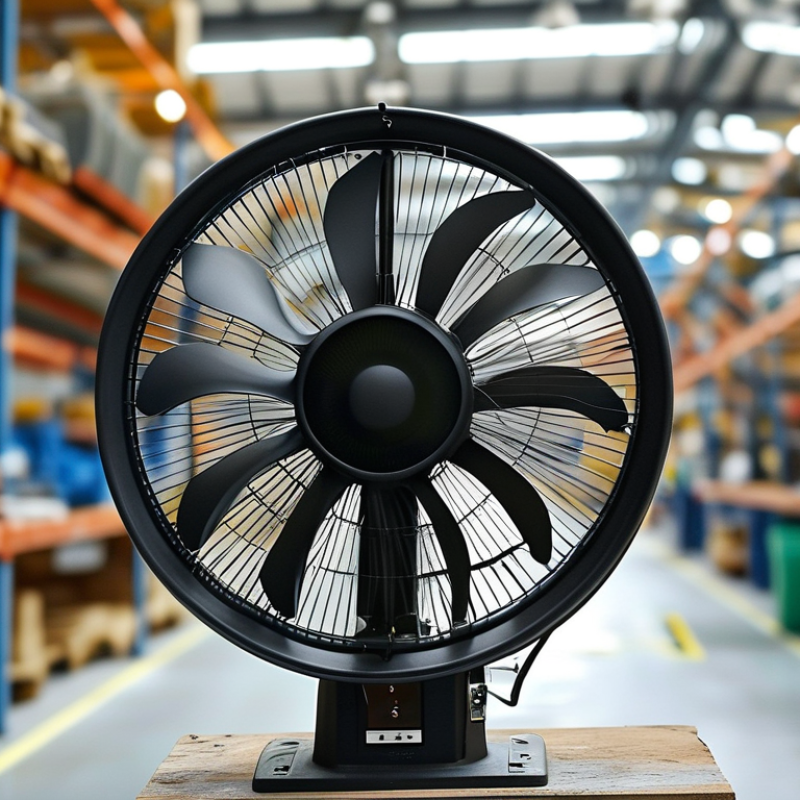
When considering industrial fans for 2026, efficiency is key. These fans can significantly impact energy costs. Buyers should focus on energy ratings, as high-efficiency models consume less power while delivering the same performance. Look for features like variable speed drives, which enable users to adjust fan speed according to demand. This adaptability enhances energy savings, making a substantial difference over time.
Material quality matters, too. Sturdy, corrosion-resistant materials can extend the lifespan of the fan. Even with maintenance, lower quality fans can lead to unexpected failures. A robust design minimizes downtime and reduces repair costs. Additionally, sound levels are often overlooked; quieter fans enhance comfort in industrial environments. A fan that runs silently can improve workplace conditions significantly.
Lastly, consider the installation and maintenance processes. Complicated setups can lead to increased costs and longer downtimes. Simple installation and easy access for maintenance are crucial for seamless operations. Assessing these details can help buyers make informed decisions. Being meticulous about the features of industrial fans will pay off in the long run.
Comparative Analysis of Industrial Fan Technologies in 2026
As industrial manufacturing evolves, the demand for efficient fans continues to rise. In 2026, buyers are increasingly focused on energy-saving technologies. According to the Global Industrial Fan Market Report, energy-efficient fans can reduce operational costs by up to 30%. This significant savings is a compelling reason for industries to adopt new technologies.
Modern industrial fans now incorporate advanced motor systems. Direct drive and EC (electronically commutated) motors provide higher efficiency than traditional belt-driven models. Data shows that these technologies can achieve efficiencies exceeding 90%. However, the initial investment may deter some companies from making the switch. Understanding the long-term benefits is essential for informed decision-making.
Noise pollution remains a pressing issue in many facilities. Many new models emphasize quieter operation without sacrificing performance. The technology behind noise reduction is constantly improving and contributing to a better working environment. While these advancements are promising, there is still room for improvement in terms of balancing cost, efficiency, and noise levels. Buyers should weigh these factors when selecting fans for their operations.
Top Efficient Industrial Fans for 2026 Global Buyers
| Fan Type | Efficiency Rating (%) | Max Airflow (CFM) | Noise Level (dB) | Operating Range (°C) | Price Range ($) |
| Centrifugal Fan | 80 | 4000 | 68 | -10 to 50 | 1500 - 3000 |
| Axial Fan | 85 | 5000 | 72 | 0 to 45 | 1200 - 2500 |
| Mixed Flow Fan | 90 | 4500 | 65 | -5 to 40 | 1600 - 2800 |
| Blower Fan | 75 | 3500 | 70 | -10 to 50 | 1000 - 2200 |
| High-Pressure Fan | 88 | 4700 | 75 | -5 to 45 | 1400 - 2600 |
Top Brands Manufacturing Efficient Industrial Fans: A Global Overview
In the evolving landscape of industrial ventilation, efficiency remains paramount. A range of brands globally specializes in high-performance industrial fans. These companies focus on engineering designs that optimize airflow while minimizing energy consumption. Such innovations address the needs of diverse industries, from manufacturing to agriculture.
Choosing the right fan involves understanding specific requirements. Consider factors like airflow, noise levels, and maintenance needs. Fans should fit the operational environment, enhancing effectiveness. Many brands place emphasis on sustainable practices. This reflects a growing trend towards environmentally-friendly technology.
Ensuring fan reliability is crucial. Check for certifications that indicate quality and performance. Industrial fans should undergo rigorous testing. This guarantees they can withstand demanding conditions. Efficiency is not just about output; it’s about long-term performance and durability.
Pay attention to reviews from users. Real-life experiences can provide insights into durability and efficiency. Engaging with professionals in the field can also enhance decision-making. Collect feedback on the performance of different models. This can highlight potential drawbacks and advantages you may not have considered.
Energy Efficiency Standards and Regulations for Industrial Fans
Energy efficiency standards for industrial fans are becoming increasingly important in 2026. Governments and organizations worldwide are emphasizing the need for sustainable practices. These standards ensure that fans consume less energy while delivering high performance. This shift can lower operational costs and reduce environmental impact.
Industries are now evaluating fan performance based on specific metrics. This includes airflow efficiency, noise levels, and durability. Manufacturers must meet stringent criteria to gain regulatory approval. The failure to comply can result in penalties and operational challenges. It is crucial for companies to stay informed about these evolving standards.
Many industrial fans on the market today may not meet the upcoming regulations. Potential buyers must carefully assess their needs and the efficiency of available models. Some fans may offer lower upfront costs but consume more energy in the long run. Striking a balance between cost and energy efficiency is essential. Buyers should be aware that making uninformed choices could lead to higher expenses in the future.
Market Trends Influencing the Demand for Industrial Fans in 2026
The demand for industrial fans is expected to rise in 2026 due to several key market trends. According to a recent report, the global industrial fan market size could reach USD 12 billion by 2026, growing at a compound annual growth rate (CAGR) of around 5.5%. This growth is driven by the increasing need for efficient ventilation solutions across various industries, including manufacturing, pharmaceuticals, and data centers.
Sustainability is another significant factor influencing this demand. Many industries are moving towards energy-efficient solutions to reduce operational costs and comply with stricter regulations. In 2023, about 70% of companies reported investing in eco-friendly technologies, including high-efficiency fans. These fans not only lower energy consumption but also help meet corporate sustainability goals.
However, challenges remain. The initial costs of acquiring advanced fans can deter smaller businesses. Moreover, ensuring proper maintenance and compatibility with existing systems are ongoing concerns. A lack of technical expertise in selecting the right fan can also lead to inefficiencies. Addressing these issues will be pivotal for maximizing the potential of industrial fans in future markets.