How to Control Hydraulic Systems for Optimal Performance?
Effective hydraulic control is essential for optimizing performance in various industries. John Smith, a renowned expert in hydraulic systems, emphasizes, "To control hydraulic systems effectively, one must understand the intricacies of fluid dynamics." This highlights the need for a nuanced approach to hydraulic technology.
Modern hydraulic systems pose complex challenges. Properly controlling these systems ensures not only efficiency but also safety. With high pressure and fluid movement, even minor errors can lead to significant issues such as equipment failure or safety hazards. Understanding the principles of fluid mechanics is crucial in achieving optimal performance.
However, achieving such control can be difficult. Many professionals struggle with integrating new technologies while managing existing systems. Continuous training and education in the field are vital. Therefore, recognizing these challenges and reflecting on one’s methods can lead to better practices in how we control hydraulic systems for maximum productivity and safety.

Understanding the Basics of Hydraulic Systems and Their Components
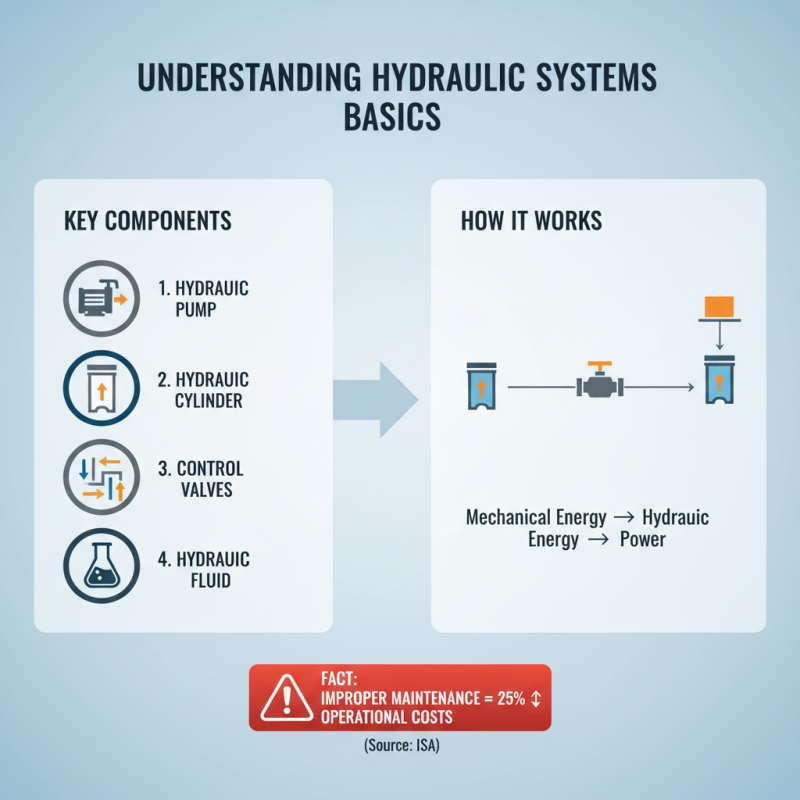
Hydraulic systems play a vital role in many industries, from construction machinery to manufacturing plants. Understanding the basic components of hydraulic systems is crucial for optimal performance. The main components include hydraulic pumps, cylinders, valves, and fluids. These elements work together to convert mechanical energy into hydraulic energy, which powers various applications. According to the International Society for Automation, improperly maintained hydraulic systems can lead to a 25% increase in operational costs.
Tip: Regularly check fluid levels and quality. Contaminated fluids can cause system failures and downtime. In fact, studies show that clean hydraulic fluids can improve efficiency by up to 15%.
Hydraulic pumps are the heart of these systems. They generate flow, while valves control pressure and direction. However, improper selection of components can drastically affect performance. For example, using a valve with an inadequate flow rating can lead to excessive pressure drops. Data indicates that nearly 30% of hydraulic failures stem from component mismatches.
Tip: Invest in training your team on hydraulic system basics. Knowledgeable staff can identify issues early. Effective training can reduce malfunction risks by 20%, enhancing overall productivity.
Key Principles of Hydraulic Control Techniques for Performance Optimization
Hydraulic systems play a vital role in various industries, including construction, manufacturing, and aerospace. Understanding the key principles of hydraulic control techniques is essential for optimizing performance. According to a report from the International Fluid Power Society, improper system management can lead to efficiency losses of up to 30%. This indicates the need for precision in hydraulic control.
Efficient control of hydraulic systems involves monitoring flow rates, pressures, and temperature. Adjusting valves and pumps based on real-time data helps maintain optimal performance. For example, maintaining the correct oil viscosity can significantly reduce energy consumption. Studies suggest that a 1% increase in oil temperature can result in a 5% decrease in efficiency. Regular maintenance is also crucial. Components should be inspected periodically for wear. This helps in preemptively addressing issues before they escalate.
Tip: Implement a scheduled maintenance plan. This not only ensures system reliability but also enhances overall performance.
Another key aspect is the use of advanced control technologies. Incorporating servo valves and proportional controls can improve responsiveness and accuracy. However, not all systems adapt well to such technologies. It's essential to evaluate your system meticulously. Learning from failures can guide future decisions and improvements.
Tip: Analyze system performance data regularly. This practice helps identify trends and informs your maintenance strategy.
Monitoring and Maintaining Hydraulic Fluid Quality for Efficiency
Monitoring hydraulic fluid quality is crucial for system efficiency. Hydraulic fluid degradation can lead to increased wear and reduced performance. A study by the Society of Tribologists and Lubrication Engineers highlights that about 70% of hydraulic system failures are due to fluid contamination. Regular analysis of fluid properties can help identify potential issues early.
One effective method for maintaining fluid quality is filtration. Fine filtration can reduce particle contamination by up to 99%. However, not all filters are effective for every application. It is essential to choose the right filtration method based on the system's specific needs.
Implementing a fluid management program can also ensure regular testing of fluid properties, such as viscosity and acidity. Monitoring these parameters helps maintain optimal performance.
In practice, many systems suffer from overlooked fluid quality. Operators often underestimate the impact of fluid degradation. Regular maintenance checks are sometimes neglected. This not only affects machine longevity but can also increase operational costs significantly. Implementing a proactive approach to monitoring can mitigate these issues, ensuring systems run efficiently and sustainably.
Implementing Advanced Control Strategies in Hydraulic Systems
Effective control of hydraulic systems is crucial for achieving optimal performance. Advanced control strategies can significantly enhance their efficiency and responsiveness. According to the Fluid Power Innovation and Research Program, integrating smart sensors and real-time data analytics can increase system efficiency by up to 30%. With the right strategies, you can minimize energy consumption and enhance overall system reliability.
A key recommendation is to employ model-based predictive control (MPC). This technique anticipates system behavior and adjusts controls accordingly. MPC reduces overshoot and improves settling time. Studies indicate that implementing this strategy can lead to a 20% improvement in response time. It's essential to regularly calibrate sensors and controllers to maintain high performance.
**Tip:** Regular system maintenance cannot be overlooked. Conduct routine checks on sensors and hydraulic components to ensure accurate readings. Another effective strategy is to train operators thoroughly. Understanding advanced techniques is vital for leveraging technology effectively. Operators should be familiar with recognizing potential system inefficiencies and addressing them promptly.
Troubleshooting Common Hydraulic System Issues for Optimal Operation
Hydraulic systems are vital in various industries, yet they can encounter several issues that hinder optimal performance. Common problems include fluid leaks, air in the system, and inefficient pump operation. Identifying and addressing these challenges requires a blend of practical experience and technical know-how.
Fluid leaks can stem from worn seals or damaged hoses. Regular inspection can help detect these leaks before they escalate. Observing performance issues, like fluctuating pressure, might indicate air trapped in the system. This often signifies a need for proper bleeding techniques. Furthermore, inefficient pump performance may arise from improper sizing or mechanical failures, making it essential to evaluate the system layout and specifications thoroughly.
Maintaining a hydraulic system is not just about routine checks. It's also about understanding and reflecting on past experiences. Not all issues are straightforward. Sometimes, the root cause of a problem isn't where you expect. Therefore, hands-on troubleshooting and a proactive mindset can make a significant difference in performance.
Hydraulic System Performance Metrics
This bar chart represents the performance metrics of various hydraulic systems. The data points reflect operational efficiency, maintenance frequency, and failure rates, which are key indicators for troubleshooting and optimizing hydraulic performance.