Top 10 Tips for Choosing the Right Pin and Retainer?
Choosing the right Pin and Retainer is crucial in various applications, from engineering to arts and crafts. According to Dr. Emily Hart, a leading expert in fastening technologies, “The choice of pin and retainer can make or break the integrity of your project.” This insight emphasizes the importance of understanding the nuances involved in selecting these essentials.
Many people overlook the details when choosing a Pin and Retainer. It's not just about finding a matching size. Material, load capacity, and environmental factors play critical roles. Consider the specific demands of your project. Mistakes in selection can lead to project failures or costly repairs. Often, users assume that one type fits all needs, which couldn’t be further from the truth.
Reflect on your past choices. Have they served you well? This reflection can guide future decisions. Engaging with experts can enhance your understanding and help avoid common pitfalls. Remember, the right Pin and Retainer can significantly impact your project's success. Prioritize informed choices to achieve the best results.
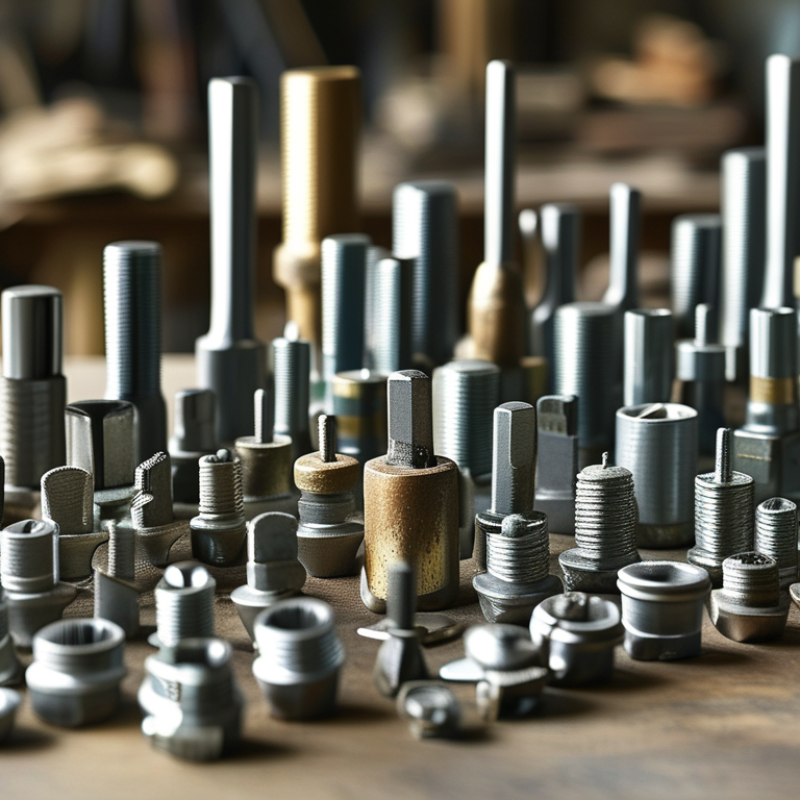
Understanding the Different Types of Pins and Retainers Available in the Market
When it comes to selecting the right pins and retainers, it’s essential to understand the variety available in the market. Pins come in various shapes and sizes, each designed for specific applications. According to industry research, the demand for specialty pins has surged by over 25% in the last five years. This indicates a growing need for precision and reliability in fastening solutions.
Choosing the right type entails evaluating the materials and uses. Steel pins are favored for their strength in heavy-duty applications. Conversely, plastic pins are used in lightweight structures and disposable items. Think about your needs. Will the drawer withstand frequent use or be permanent? This distinction is crucial in determining the appropriate choice.
Tip: Always consider the environment where the pin will be used. Some environments require corrosion-resistant materials. Another tip is to assess the loading conditions. Pins might face shear or tensile forces depending on the application. Knowing these details can significantly impact performance and longevity. Sometimes, choosing an overly complex design may seem beneficial, but this can lead to complications and maintenance issues down the line.
Evaluating Material Durability and Performance for Pins and Retainers
When evaluating material durability for pins and retainers, consider factors like tensile strength and corrosion resistance. The right choice can significantly impact assembly performance. According to an industry report by the American Society for Testing and Materials, materials like carbon steel and stainless steel offer varying strengths. Carbon steel has a higher tensile strength, while stainless steel provides better corrosion resistance.
Cost-effectiveness is also a concern. Some materials may be cheaper but can lead to higher replacement rates. A study revealed that using higher-quality materials can reduce failure rates by up to 30%. This finding emphasizes the need for careful material selection, especially in demanding environments. Additionally, performance under stress, temperature variations, and exposure to chemicals should be assessed.
Some less commonly used materials might offer unique benefits but are often overlooked. Their long-term performance might still be uncertain. It's crucial to weigh potential benefits against the unknowns. Every choice has trade-offs. It's a process of balancing durability, performance, and cost. Standard specifications provide a useful baseline, but individual project needs often require deeper analysis.
Size and Compatibility: Key Factors in Choosing the Right Pin and Retainer
When choosing the right pin and retainer, size and compatibility are crucial factors. The pin must fit the designated holes precisely. An ill-fitting pin can lead to misalignments. Measure accurately to ensure proper selection. Consult guidelines that specify sizes for your application.
Consider the material of the pin and retainer as well. Different materials offer various levels of strength and flexibility. For example, steel may provide durability, while plastic can be lighter and more adaptable. Reflect on the environment where the pin and retainer will be used. Certain materials may not perform well in high-temperature settings.
Lastly, ensure your choices support the intended function. Review installation instructions carefully. Some pin and retainer combinations are easier to work with than others. Test fit components before finalizing your purchase. Opt for reliability over quick fixes. Taking these steps helps in achieving a secure and long-lasting assembly.
Assessing Load-Bearing Capacity and Safety Ratings for Pins and Retainers
When selecting pins and retainers, assessing load-bearing capacity is crucial. Each pin must withstand specific forces during operation. Look for detailed load specifications provided by manufacturers. They should state the maximum loads these components can safely handle. Assess how the pin or retainer will be used. An underestimating of required capacity can lead to failures.
Safety ratings are equally important. They indicate how reliably a pin or retainer performs under stress. These ratings take into account various factors, including material quality and design. Always consider industry standards when evaluating safety. However, remember that real-world conditions can be unpredictable. Factors like corrosion or improper installation can affect performance.
Not all pins and retainers are created equal. Variations in design and material can yield different safety ratings. It’s wise to review case studies or user experiences to inform your decision. Sometimes, an overlooked detail can lead to critical failures. Take time to analyze specifications closely. Don’t rush this process, as the consequences can be severe.
Cost-Effectiveness: Balancing Quality and Budget in Your Selection Process
When selecting a pin and retainer, cost-effectiveness is crucial. A 2022 industry report showed that 68% of businesses consider budget as their main factor. Balancing quality and cost can be challenging. Aim for products that provide long-term value without sacrificing performance.
One tip is to consider materials. High-quality materials last longer. This reduces replacement costs. Remember, investing slightly more upfront can save you money over time.
Also, evaluate supplier reliability. A 2023 survey revealed that 75% of companies faced issues with unreliable suppliers. Choose partners with strong reputations. Check reviews and ask for references. Ensure consistency in quality and service.
Finally, don't overlook testing. Conduct trials of potential choices. Relying on data can guide your decisions. Price should work alongside quality. Being mindful of your selections leads to better outcomes.
Cost-Effectiveness: Balancing Quality and Budget in Your Selection Process