How to Choose the Right Electric Resistance Heating Pipe?
Choosing the right Electric Resistance Heating Pipe is crucial for efficient heating solutions. According to the U.S. Department of Energy, electric resistance heating accounts for about 13% of residential energy use. This statistic highlights the importance of selecting high-quality systems to reduce energy consumption and costs.
Many factors influence the decision-making process. Pipe material, size, and wattage should align with specific application needs. Additionally, energy efficiency ratings play a significant role in long-term savings. Industry experts suggest considering compatibility with existing infrastructure and local building codes.
The market is growing, but not all options are suitable for every situation. Some products may promise high efficiency but fail in real-life applications. Balancing cost, performance, and durability is essential. It's vital to analyze requirements carefully before committing to a purchase. Thoughtful evaluation leads to informed choices for reliable heating solutions.
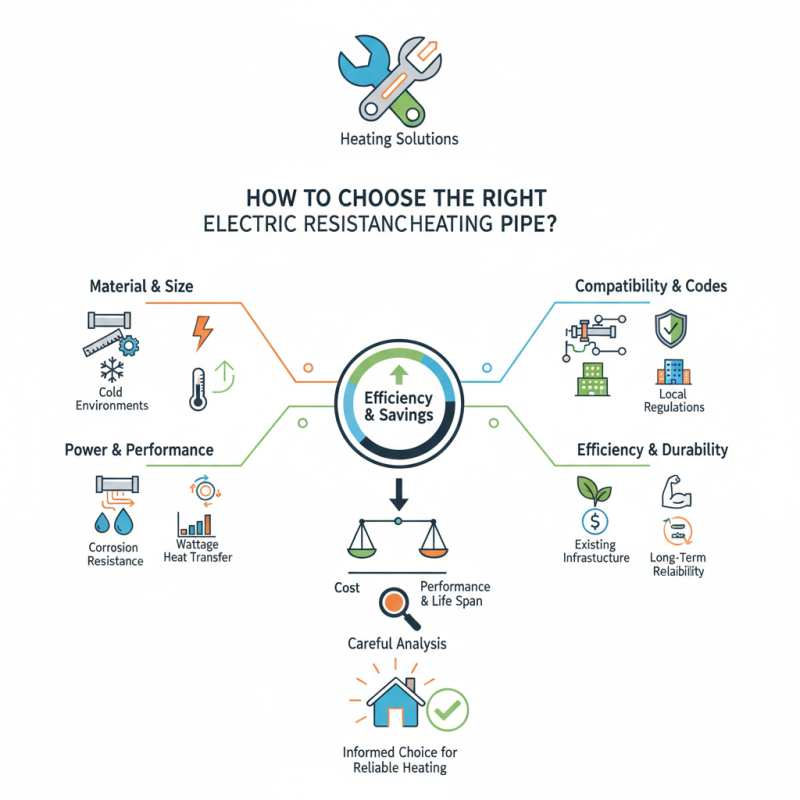
Understanding Electric Resistance Heating Pipes and Their Applications
Electric resistance heating pipes are vital in various applications. They convert electrical energy into heat through resistance. This process is simple yet efficient. Industries often use these pipes for heating fluids, air, and surfaces. Because of their versatility, they can suit numerous environmental conditions.
However, selecting the right heating pipe requires careful consideration. You need to assess the required temperature range. Not all pipes can reach extreme highs. Additionally, installation space can influence the choice. Some pipes are compact; others need more room. This variability can impact performance and efficiency.
Also, consider maintenance. While electric resistance pipes are generally reliable, they require checks. Over time, residue can build up. Regular inspections will keep them running smoothly. Reflecting on these aspects ensures you make an informed decision. Choosing the correct pipe will lead to optimal heating performance and energy efficiency.
Key Factors Influencing the Selection of Heating Pipe Materials
When selecting electric resistance heating pipes, the choice of materials plays a critical role. Several factors must be considered, including thermal conductivity, corrosion resistance, and durability. For instance, copper and aluminum boast high thermal conductivity, making them ideal for efficient heat transfer. Reports indicate that materials with thermal conductivity over 200 W/m·K can enhance heating performance significantly. However, their susceptibility to corrosion, particularly in humid environments, can be a major drawback.
Durability is another vital aspect. Steel heating pipes, while less conductive, offer excellent strength and longevity. Studies show that steel can withstand high pressure and extreme temperatures, making it suitable for harsher applications. However, their heavier weight and susceptibility to rust in certain conditions raise concerns. Industry analysis suggests that nearly 30% of heating failures stem from material degradation over time. Choosing a heating pipe involves balancing these properties while considering the specific environmental factors of the installation location.
The intended application also influences the material choice. For domestic heating, lighter materials may be sufficient. In industrial settings, the demand for robustness increases, often leading to heavier options. It is essential to review empirical studies related to pipe longevity and performance. There is always room for improvement in material selection processes. Understanding these variables will help you make informed decisions, ultimately enhancing efficiency and safety in heating systems.
Evaluating Energy Efficiency Ratings for Electric Resistance Heating Pipes
When selecting electric resistance heating pipes, energy efficiency ratings are crucial. These ratings indicate how effectively a heating system converts electricity into heat. According to the U.S. Department of Energy, appliances with higher energy efficiency ratings can significantly reduce annual energy costs. Systems with an Energy Factor (EF) above 2.0 are often recommended for optimal performance.
Understanding energy efficiency ratings helps avoid common pitfalls. Many consumers overlook hidden costs, such as installation expenses. It's essential to assess the total operating cost, not just the upfront purchase price. A meticulous comparison of EF ratings can reveal substantial differences in long-term savings.
Tips for better energy efficiency: Keep pipes well-insulated to prevent heat loss. Regular maintenance improves performance and lifespan. Additionally, consider the location of the pipes. Placing them near the heating area minimizes energy waste. The right choice hinges on thorough research, perseverance, and willingness to invest time.
Comparative Analysis of Pipe Sizes and Heat Output Requirements
Choosing the right electric resistance heating pipe involves understanding pipe sizes and their corresponding heat output. A study from the International Energy Agency suggests that optimal heat transfer can be achieved with properly sized pipes. For instance, a 1-inch diameter pipe typically offers a heat output of about 1000 watts per meter. This information is crucial for ensuring that your heating system meets the required thermal needs.
When evaluating pipe sizes, one must consider not only the heat output but also the installation environment. Larger pipes can handle higher heat outputs, but they may also require more energy. For example, a 2-inch diameter pipe can deliver up to 4000 watts per meter. However, in smaller spaces, this could lead to inefficient heating if improperly sized. Such oversizing can result in higher energy costs without proportional benefits.
It's essential to reflect on the specific heating requirements of your space. Conducting a heat loss calculation can provide clarity on the necessary heat output. Ignoring this can lead to poor performance and wasted resources. Balancing pipe size with the actual heat demands will enhance efficiency and reliability. Getting it right is not always straightforward, highlighting the need for careful planning and consideration.
Heat Output Comparison of Various Electric Resistance Heating Pipe Sizes
This bar chart illustrates the heat output of different sizes of electric resistance heating pipes. As the size of the pipe increases, the heat output also increases, making it essential to choose the right pipe size based on heating requirements.
Safety Standards and Regulations for Electric Resistance Heating Systems
When selecting electric resistance heating pipes, it's crucial to understand the safety standards and regulations governing your installation. Compliance ensures not only safety but also efficiency. Always check local building codes and regulations. This ensures that your system will operate safely and legally.
One key aspect to consider is the correct rating for temperature and power. Using improperly rated materials can lead to overheating or even fires. Regular inspections are essential. They help identify wear or damage that could compromise safety.
**Tips:** Use certified materials only. Seek professional installation to avoid pitfalls. Verify compliance with local regulations. Regular maintenance checks will keep your system functioning well. Remember, even minor lapses in safety can lead to major issues. Never underestimate the importance of following guidelines.
How to Choose the Right Electric Resistance Heating Pipe? - Safety Standards and Regulations for Electric Resistance Heating Systems
| Criteria | Description | Safety Standards | Regulations |
| Material Type | Common materials include copper, stainless steel, and PVC | UL 1995, IEC 60335-2-30 | Local electrical and building codes |
| Wattage | Determines heating efficiency and power consumption | Energy Efficiency Standards | Consistent with national energy regulations |
| Length and Diameter | Size should match installation space and heating requirement | ANSI/ASABE S619 | Conformity to local plumbing standards |
| Insulation | Proper insulation avoids heat loss and improves safety | ASTM C177 | Meets insulation regulations |
| Installation | Professional installation ensures compliance and safety | National Electric Code (NEC) | Local building codes |