How to Choose the Right Bottom Roller for Your Needs?
Choosing the right Bottom Roller is crucial for optimizing performance in various applications. Industry expert John Smith, a seasoned engineer with over 15 years in the field, states, "The right Bottom Roller can significantly impact efficiency and durability." This highlights the importance of understanding specific needs.
Different industries require different Bottom Rollers. Factors like material, load capacity, and environmental conditions matter. Selecting the wrong one can lead to frequent breakdowns and increased costs. Many users overlook these details, assuming all rollers are alike. This misconception can result in unexpected maintenance issues.
Investing time in research is essential. Speak with experienced users and manufacturers to gain insights. Consider trialing different options before finalizing a purchase. Reflecting on these choices can lead to more informed decisions. Remember, the right Bottom Roller makes all the difference in operational success.
Understanding the Function and Importance of Bottom Rollers
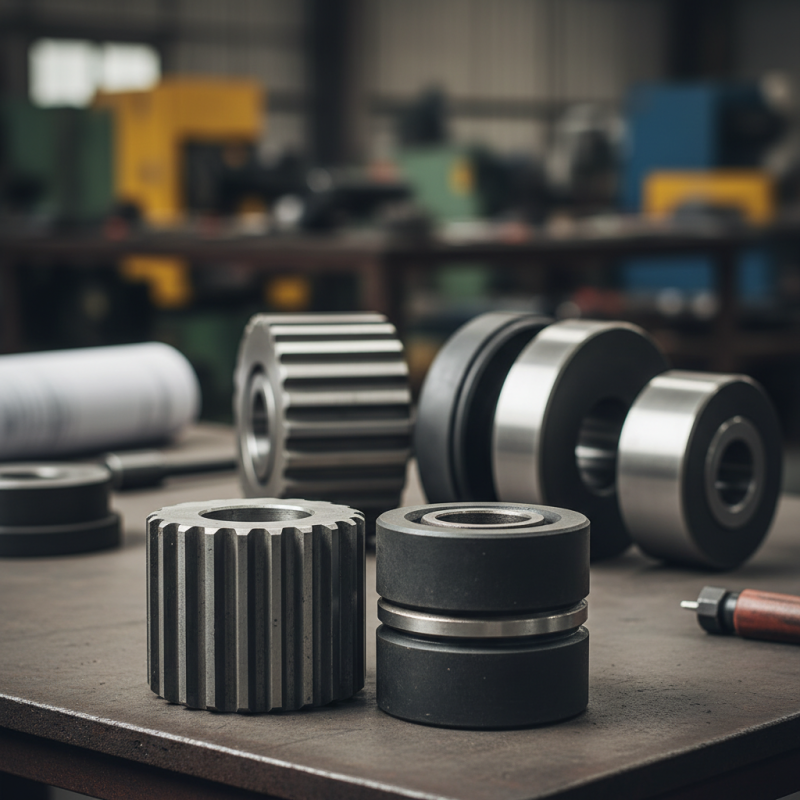
Bottom rollers play a crucial role in various industries, particularly in manufacturing and construction. They support the weight of heavy items and allow for smooth movement during operations. Understanding their function is key to choosing the right type for your needs. Proper selection ensures efficiency and reduces wear and tear on machinery.
Research from industry reports indicates that improper roller selection can lead to significant downtime. In fact, up to 25% of machinery failures are attributed to inadequate components. It’s essential to consider the load capacity, installation environment, and specific application requirements. For instance, rollers used in wet or corrosive environments need specific materials to prevent degradation.
Not every roller fits all applications. There is a risk of over-specifying or under-specifying your choices. This can lead to performance issues or additional costs. Evaluate your operational needs carefully. Prioritize roller types that match your specific setups. Consider consulting expert guidelines or industry standards for better decision-making.
Types of Bottom Rollers: A Comprehensive Overview
When selecting a bottom roller, understanding the types available is crucial. Bottom rollers can significantly impact various industries, from manufacturing to agriculture. The primary types are gravity rollers, powered rollers, and belt rollers. Each type serves specific functions in conveying and handling materials. According to industry reports, powered rollers are generally favored in environments requiring heavy loads, showing a 30% increase in efficiency compared to gravity rollers in certain settings.
A key factor to consider is the material of the roller. Steel rollers are favored for their durability, especially in heavy-use scenarios. In contrast, plastic rollers can be a lightweight alternative for less demanding applications. Studies reveal that plastic rollers can reduce the overall weight of a conveyor system by nearly 50%, which can be beneficial for certain setups.
Tip: Always assess your load requirements before choosing a roller type.
Choosing the right roller width is also important. A wider roller can distribute weight more evenly, potentially reducing wear and tear. However, a too-wide roller may lead to unnecessary friction. Balancing width and application is essential for optimal performance.
Tip: Regularly inspect rollers for wear. This helps in preventing unexpected downtime.
Factors to Consider When Choosing a Bottom Roller
Choosing the right bottom roller can greatly affect efficiency. Consider the material and weight capacity. Different materials offer various benefits and durability. Steel may be strong, while rubber can provide better traction.
Another important factor is the roller's size. Measurement plays a crucial role in ensuring compatibility. A roller too big or small can lead to operational issues. It’s wise to take precise measurements before making your choice.
Tips: Pay attention to maintenance needs. Some rollers require frequent servicing. Factor in your ability to maintain them consistently.
Also, think about the environment where the roller will operate. Extreme temperatures or moisture levels can impact roller performance. Choose a bottom roller that suits your specific working conditions. This helps avoid unnecessary downtime.
Material Options for Bottom Rollers and Their Benefits
Choosing the right bottom roller starts with understanding material options. Different materials come with unique benefits and drawbacks. Common choices include rubber, plastic, and metal. Each type can affect performance and longevity.
Rubber rollers are known for their excellent grip. They provide a soft touch, making them suitable for fragile materials. However, they may wear out faster in abrasive environments. On the other hand, plastic rollers are lightweight and resistant to corrosion. They are a good option for areas exposed to harsh chemicals, yet may lack the durability of rubber or metal.
Metal rollers, often made from steel, offer superior strength. They excel in heavy-duty applications but can be prone to rust. Consider the environment and the nature of your materials carefully. The choice may impact maintenance costs and efficiency.
Tips: Assess your specific needs before making a decision. Think about the load capacity and environmental factors. Regular inspections can help identify wear and extend roller life. Don't overlook potential drawbacks; improper choice can lead to unexpected issues.
How to Choose the Right Bottom Roller for Your Needs? - Material Options for Bottom Rollers and Their Benefits
| Material Type | Durability | Weight Capacity | Corrosion Resistance | Cost |
| Steel | High | Heavy | Moderate | Low |
| Aluminum | Moderate | Moderate | High | Moderate |
| Plastic | Low | Light | Very High | Low |
| Rubber | Moderate | Low | Very High | Moderate |
| Composite | High | Moderate | High | High |
Maintenance Tips for Prolonging the Life of Bottom Rollers
Choosing the right bottom roller can significantly impact your operation efficiency. Regular maintenance is key to prolonging the life of bottom rollers. According to industry reports, nearly 30% of premature equipment failures stem from inadequate maintenance practices. By focusing on specific maintenance tips, you can avoid costly downtime.
Check lubricants and seals regularly. Proper lubrication reduces friction, thus minimizing wear on the rollers. A study found that 75% of industrial rollers failed due to improper lubrication. Clean the rollers frequently to remove debris. This simple task can extend the lifespan of your equipment.
Inspect for any signs of wear or damage. Look for cracks or uneven surfaces. Early detection can prevent further issues. Involving team members in routine inspections fosters a culture of care. Also, ensure alignment with the equipment. Misalignment can lead to premature wear, as reported in various technical resources. A small oversight can lead to bigger problems. Engage with professional services if you're unsure about maintenance practices.