2026 How to Choose the Best Condensate Pump for Your Needs?
Choosing the right Condensate Pump can significantly impact your HVAC system's performance. Renowned industry expert, John Smith, highlights, "A well-selected condensate pump can enhance efficiency and prolong equipment life." This insight emphasizes the importance of understanding your specific requirements before making a decision.
When selecting a condensate pump, consider aspects like capacity, noise levels, and installation space. A pump’s capacity should match your system's output. If the needs are underestimated, frequent failures can occur, leading to costly repairs. Additionally, noise levels can affect comfort in residential settings. Balancing performance and quiet operation is crucial.
Visualizing installation space is equally critical. Some areas may restrict pump options due to size constraints. Each pump model has its operational quirks, and familiarity with these can prevent headaches later. Not every pump will suit your situation perfectly. Reflecting on these details can guide you toward a choice that meets your specific demands while optimizing your system's efficiency.
What is a Condensate Pump and Its Function?
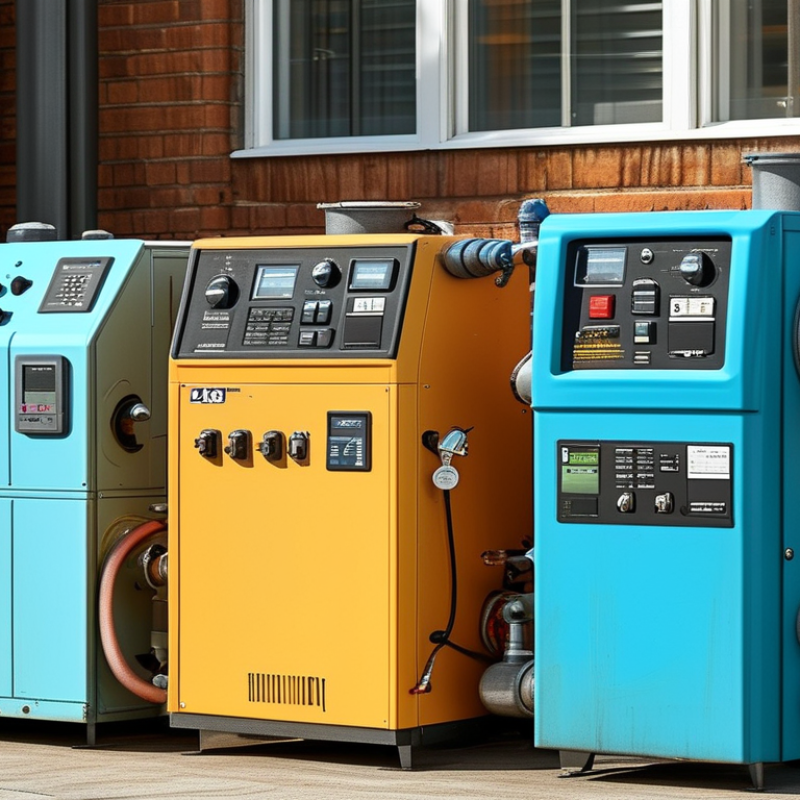
A condensate pump is a critical device in HVAC systems. It helps remove excess water created during the cooling process. This water, known as condensate, can cause damage if not properly managed. The pump works by collecting the water and pushing it away from the unit, ensuring a dry environment.
These pumps come in various sizes and capacities. Selecting the right one is crucial for effective operation. Consider the volume of condensate produced by your system. It's also essential to note the height the pump needs to lift the water. Insufficient capacity can lead to overflow and system inefficiencies.
An often-overlooked aspect is maintenance. Pumps require regular checks to function properly. A clogged line or a malfunctioning float switch can cause issues. Making time for maintenance can save money and prevent water damage. Ensure you're aware of your pump's specific requirements. Keeping these factors in mind will lead to a more reliable and efficient system.
Key Factors to Consider When Choosing a Condensate Pump
When selecting the right condensate pump, several key factors should guide your decision. Begin by assessing the pump's capacity. Determine the volume of condensate it needs to handle. A pump with insufficient capacity can lead to frequent failures and inconvenience.
Consider the installation location as well. If the pump will be placed in a tight space, choose a compact model. The noise level is also important. Some pumps operate quite loudly, which can be disruptive in certain environments. Look for models designed for quieter operation if this is a concern.
Tips: Always check the specifications carefully. The pump's efficiency affects energy consumption. A more efficient pump can save costs over time. Test the pump before installation if possible. This step may reveal unexpected issues. It's better to know beforehand.
Lastly, think about maintenance requirements. Easy-to-maintain pumps save time and effort. Regular upkeep is essential to prolong the pump's life. A reliable pump can prevent costly repairs down the line. Make these considerations carefully for the best outcome.
2026 How to Choose the Best Condensate Pump for Your Needs? - Key Factors to Consider When Choosing a Condensate Pump
| Factor | Description | Recommended Value |
| Pump Capacity | The volume of condensate the pump can handle, measured in gallons per hour (GPH). | Up to 50 GPH |
| Vertical Lift | The maximum height the pump can lift the condensate. | 15 to 20 feet |
| Power Source | Type of power source required, such as electric or battery-operated. | Electric |
| Noise Level | The sound level of the pump during operation, measured in decibels (dB). | Below 60 dB |
| Size and Dimensions | Physical space occupied by the pump, including height, width, and depth. | Compact, fit under most units |
| Durability | Material quality and resistance to corrosion and wear. | High-quality plastic or stainless steel |
| Maintenance | Frequency and ease of required maintenance checks. | Low maintenance |
Types of Condensate Pumps: Which One Suits Your Needs?
Choosing the right type of condensate pump can significantly impact your system's efficiency. There are mainly three types of condensate pumps available: conventional, submersible, and vacuum pumps. Each type serves different applications, making it crucial to assess your needs carefully. For instance, conventional pumps work well for standard HVAC systems, but they may not be suitable for environments with high condensation levels.
Submersible condensate pumps are designed for use in confined spaces. They are often quieter and more efficient for residential applications. Reports suggest that over 60% of modern HVAC installations use submersible units to handle excess water efficiently. Vacuum pumps, on the other hand, are ideal for industrial settings. They excel at moving condensate uphill or over long distances. Surveys indicate that industries utilizing vacuum systems experience a 25% increase in operational efficiency.
Consider your unique requirements when selecting a pump. Your environment plays a significant role. Factors such as space availability, noise levels, and maintenance should influence your choice. Many users overlook the importance of installation parameters. A mismatch in pump selection can lead to inefficiencies and increased costs over time. It's essential to reflect on your setup before making a decision. Each type of pump has its pros and cons, which require careful consideration for optimal performance.
Understanding Pump Specifications and Performance Ratings
When selecting a condensate pump, understanding specifications and performance ratings is crucial. These ratings determine the pump's efficiency, capacity, and overall utility. For instance, knowledge of flow rates—often measured in gallons per hour—helps gauge if the pump can meet your needs. A reliable condensate pump typically has a flow rate that matches the output from your HVAC system. Misjudging this can result in inefficiencies.
In terms of head pressure, a pump should be evaluated based on the vertical distance it must lift condensate. A pump with inadequate head pressure may lead to frequent failures. According to industry reports, a pump should ideally have a head rating of at least 20 feet to function effectively in most residential settings. Failing to consider this aspect might lead to increased maintenance costs over time.
Tips: Always check the noise level of the pump. Some models operate quietly, while others might disrupt your environment. Look for pumps with added features, like float switches for automatic operation. Quality matters; spending a bit more can prevent future headaches. Remember, a condensate pump is an investment in your system's efficiency and reliability.
Common Issues and Maintenance Tips for Condensate Pumps
Condensate pumps are essential for managing water produced by HVAC systems. However, they can face several common issues that hinder their performance. One frequent problem is a clogged pump. Dust and debris can accumulate over time, leading to reduced efficiency. Regular checks can help spot this issue early. Clearing out any blockages ensures the pump operates correctly.
Another common issue is a faulty float switch. This component controls the pump's operation based on water levels. If it gets stuck, it can prevent the pump from activating. Regular maintenance can address this concern. Testing the switch periodically helps identify potential problems. Also, pay attention to unusual noises; they often signal mechanical wear. Addressing these issues promptly can enhance the lifespan of the condensate pump.
Routine maintenance is crucial for optimal performance. Cleaning components and ensuring proper alignment can avert future problems. Not all maintenance needs are obvious. Sometimes, small leaks might be overlooked. Keeping an eye on these can save you from larger issues down the line. Regular maintenance creates reliability and peace of mind.