How to Choose the Right Rubber Conveyor Belt at Canton Fair 139?
Choosing the right Rubber Conveyor Belt is crucial for operational efficiency in various industries. A recent report by MarketsandMarkets indicates that the global rubber conveyor belt market is expected to reach USD 6.5 billion by 2026, growing at a CAGR of 4.8%. This growth reflects the increasing demand for improved material handling solutions across sectors.
At the 139th Canton Fair, manufacturers showcase a diverse range of rubber conveyor belts. Buyers should consider factors like belt type, material durability, and supplier certifications, such as ISO or CE. The integration of AI technologies enables more efficient supplier searches, helping businesses find qualified vendors faster.
However, despite advancements, challenges remain. Not all suppliers may meet high-quality standards. Proper evaluation and an understanding of specific operational needs are essential to avoid costly mistakes. Selecting an inadequate belt can lead to downtime, impacting productivity. Therefore, careful consideration of all these factors is necessary for successful procurement.
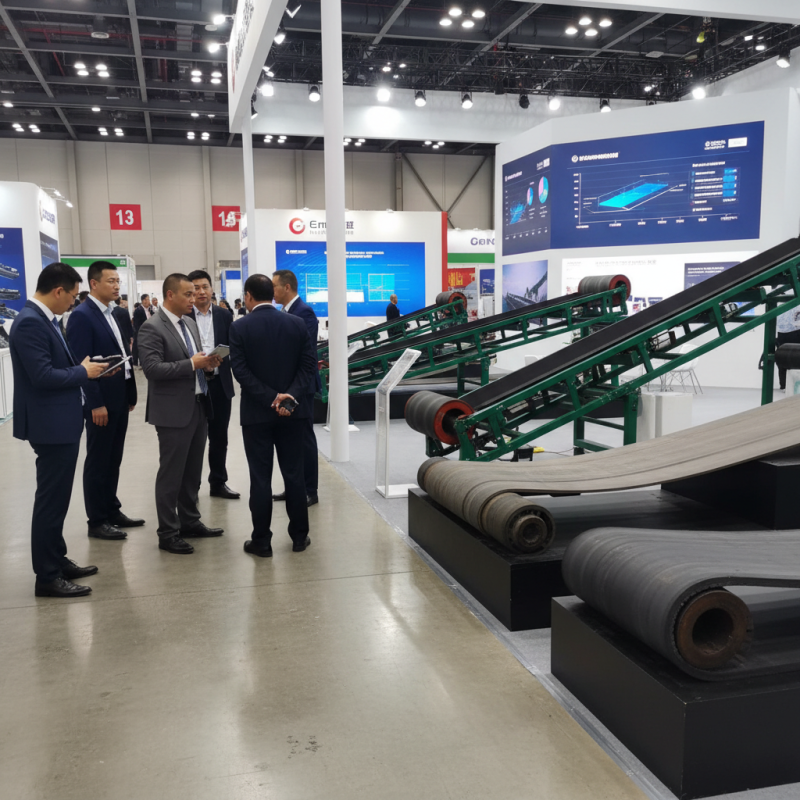
Understanding Rubber Conveyor Belts: Types and Applications
When selecting the right rubber conveyor belt at Canton Fair 139, it’s crucial to understand the various types and their applications. There are general-purpose belts, heat-resistant belts, and oil-resistant belts. Each type serves different functions depending on the materials being transported. For instance, heat-resistant belts are essential in environments over 100°C, while oil-resistant belts work well in industries like food processing and machinery.
Consider the belt’s construction too. Some materials may degrade quickly under certain conditions, leading to frequent replacements. Take a moment to research which specifications fit your needs best. You might find that not all options are suitable for your operation; make a list. This process can be tedious, but it’s worth the time.
Think about the overall maintenance and longevity of the belts. A more expensive belt might last longer and save costs in the long run. Balancing initial investment with durability can be tricky. You need to weigh your options carefully. Engaging with suppliers and asking questions can provide insights. Trust your instincts; don’t hesitate to walk away if something feels off.
Key Factors to Consider When Selecting a Conveyor Belt
Choosing the right rubber conveyor belt involves several critical factors. Understand the intended application first. For instance, belts in heavy-duty environments require different material properties than those used in food processing. According to a report by the Global Conveyor Belt Market, the demand for specialized rubber belts has increased by 15% over the past five years, highlighting the need for tailored solutions.
Next, consider the belt's specifications. Width, thickness, and tensile strength are crucial. An insufficiently robust belt can lead to premature failures. Research indicates that over 30% of conveyor failures result from poor selection. Understanding the local working conditions is also essential. Temperature, moisture, and exposure to chemicals can severely affect belt performance.
Finally, reflect on maintenance and service life. A high-quality belt may have a higher initial cost, but it can save money in the long run. Some companies overlook this when selecting their belts. Regular assessments and real-time monitoring can extend the lifespan. Balancing cost with durability is often a challenging task, but it’s necessary for long-term efficiency.
Top Factors to Consider When Choosing a Rubber Conveyor Belt
Evaluating Quality: Materials and Manufacturing Standards
Choosing the right rubber conveyor belt at the Canton Fair requires careful evaluation of materials and manufacturing standards. Start by examining the type of rubber used. Natural rubber offers great elasticity but may not withstand extreme conditions. Synthetic alternatives like neoprene or EPDM provide better chemical resistance. Each option has its pros and cons that need serious consideration.
Manufacturing standards are critical as well. Check for certifications that indicate quality control. Belts should be free from visible defects, and seams should appear sturdy. Poor manufacturing can lead to premature wear and failures. Inspect durability testing results if available; they provide insights into long-term performance.
Sometimes, suppliers may not showcase all relevant details. Transparency is vital in the selection process. Ask questions, and seek out samples if possible. Remember, choosing a conveyor belt is a significant investment, so taking the time to reflect on these factors can prevent costly mistakes later.
Assessing Supplier Reliability at Canton Fair
When attending the Canton Fair, assessing supplier reliability is crucial. Many suppliers present themselves well, but not all are trustworthy. Check their background.
Do they have a solid track record? Reviews and testimonials can offer insights. Personal visits to their booth can reveal much about their professionalism.
Ask direct questions. Inquire about their production processes and quality control measures. If a supplier gets defensive, it’s a red flag. Observe their communication style. Are they responsive and clear? Poor communication could indicate future issues. Look for certifications and industry affiliations as indicators of reliability.
Don’t overlook the importance of relationship building. Engage in casual conversation. Notice how they treat potential clients. Are they genuinely interested in your needs? Trust your instincts. If something feels off, it might be. Always take time to reflect before making decisions. Reliability matters, especially in long-term partnerships.
Best Practices for Negotiating Conveyor Belt Purchases
Negotiating for the right rubber conveyor belt involves several best practices. First, understanding market prices is crucial. Recent industry reports indicate that conveyor belt prices can vary significantly, ranging from $10 to $30 per meter, depending on specifications. This broad range means informed negotiation is key.
Consider the features you need—temperature resistance, thickness, and material. These characteristics will heavily influence pricing. Many suppliers adjust their rates based on demand and quality. For example, high-performance belts with unique attributes can command a premium.
Establish a clear budget and stick to it. It is easy to be swayed by persuasive sales pitches. Monitoring competitors’ offerings can give you leverage. Keep an eye on market trends and import costs. Sometimes, a lower initial price might lead to higher long-term expenses. Negotiating effectively requires balancing cost, quality, and future needs. Your goal should always be a win-win situation, fostering ongoing supplier relationships while safeguarding your budget.
How to Choose the Right Rubber Conveyor Belt at Canton Fair 139? - Best Practices for Negotiating Conveyor Belt Purchases
| Belt Type | Material | Width (mm) | Length (m) | Weight (kg/m²) | Temperature Range (°C) | Applications |
| Fabric Reinforced | EP | 600 | 150 | 6.5 | -20 to 80 | Mining, Quarrying |
| Steel Cord | Rubber | 1200 | 100 | 9.0 | -20 to 50 | Heavy Duty Transport |
| Polyester | Polyester | 800 | 200 | 5.5 | -10 to 70 | Food Industry, Packaging |
| Chevron | Rubber | 500 | 120 | 7.0 | -15 to 60 | Inclined Transport |