How to Choose Round Filter Press at the 139th Canton Fair?
The 139th Canton Fair presents a unique opportunity for sourcing Round Filter Press equipment. As one of the largest trade platforms, this event attracts thousands of buyers and suppliers. Recent industry reports indicate a growing demand for efficient filtration technologies. Research shows that the global market for filter presses is projected to reach $3 billion by 2027.
Understanding the specific needs of your business is crucial when selecting a Round Filter Press. Features such as filtration capacity, ease of maintenance, and automation capabilities can significantly impact your operation. The innovations highlighted at the fair, particularly in advanced manufacturing, align with this progression. Still, not every supplier may meet stringent standards.
While the fair offers advanced AI tools for navigation, potential buyers should remain cautious. Rapid searches might overlook key details like supplier reliability. Discussing your needs upfront will help avoid mismatches in specifications. Attending the Canton Fair can be a transformative experience, but preparation is vital for successful sourcing.
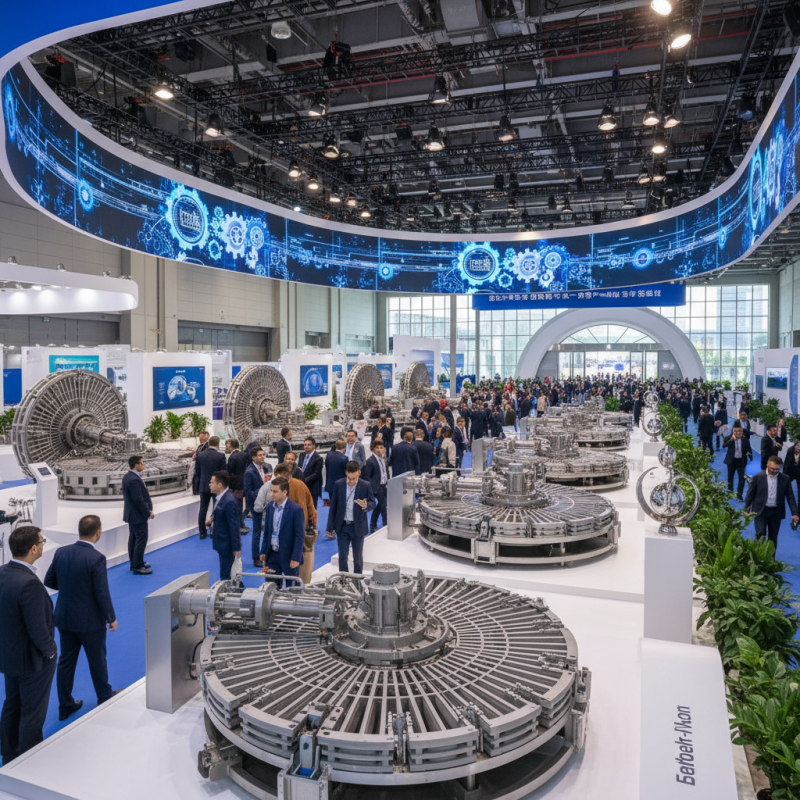
Understanding the Basics of Round Filter Presses
When considering round filter presses, understanding their basic functions is crucial. A round filter press uses pressure to separate solids from liquids. The design allows for efficient filtration, optimizing the process. According to recent industry reports, these machines can reduce processing time by up to 30%. They are widely used in various sectors, including food and beverage, mining, and wastewater treatment.
Investing in a round filter press means assessing your specific needs. Capacity, pressure ratings, and filter medium are important factors. Some reports suggest that many facilities underestimate their filtration requirements, leading to inefficient operations. For instance, a press with a small plate area may struggle with large volumes, creating bottlenecks. On the other hand, oversized equipment leads to higher costs without proportional benefits.
Moreover, the maintenance of these machines often gets overlooked. Proper maintenance extends the life of the filter press. However, many users fail to follow guidelines, resulting in decreased performance. A study shows that approximately 20% of users experience operational issues due to neglect. Understanding these intricacies can significantly improve decision-making at trade events like the Canton Fair.
Key Specifications to Consider for Round Filter Presses
When attending the 139th Canton Fair, selecting the right round filter press is crucial. Focus on key specifications to make the best choice. Look at the filtration area. A larger area allows for more efficient processing. Assess the frame material as well. Stainless steel offers durability, while cast iron might be cheaper but less resilient.
Consider the working pressure of the filter press too. Higher pressure means better filtration performance. Think about the sealing method used in the design. Proper sealing prevents leaks and enhances efficiency. The type of filter cloth is also essential. Choose materials based on your specific application needs.
Tips: Always compare different models. It’s easy to overlook critical specs when overwhelmed. A checklist might help streamline your selection process. Performance does not always correlate with price. Sometimes, a less expensive model fits your needs better. Keep an open mind during your search. Evaluate each option carefully!
Assessing the Quality and Brand Reputation of Manufacturers
When attending the 139th Canton Fair, choosing the right round filter press is crucial. One way to assess the quality of manufacturers is by examining their reputation. Look for those with years of experience in the industry. A strong track record often signals reliability.
Tips: Check their online reviews and ratings. Look for testimonials from previous customers. This can provide insights into their product quality and customer service. Don't skip this step.
Next, consider the materials used in their machines. High-quality components are essential for long-lasting performance. Poor materials may lead to frequent repairs, affecting productivity. Reflect on whether you are willing to compromise on quality for a lower price.
Tips: Ask manufacturers about the materials and their origins. Verify if they conduct quality checks. This information can uncover potential red flags early on. A transparent manufacturer is usually more trustworthy.
Visit their production facility if possible. Observing their processes can give you an idea of their commitment to quality. Evaluate the cleanliness and organization of their workspace. A well-maintained factory often reflects a responsible manufacturer.
Quality Assessment of Round Filter Press Manufacturers
Evaluating Cost-Effectiveness and Budget Considerations
When attending the 139th Canton Fair, evaluating cost-effectiveness is crucial. Round filter presses vary significantly in price. It's important to set a clear budget before exploring options. This will help you narrow down choices that fit your financial limits and operational needs.
Tips for cost evaluation include looking at the total cost of ownership. This encompasses not just the purchase price. Consider maintenance, energy consumption, and potential downtime costs. Sometimes, a cheaper upfront option may lead to higher long-term expenses.
Keep your operations in mind. Assess the capacity and efficiency of each machine. It’s easy to get drawn in by features and gloss but focus on what truly adds value. Always ask yourself, “Will this machine meet my requirements?” Reflect on past purchases too. What went wrong? What worked well? Learning from experience can guide your decision-making.
How to Choose Round Filter Press at the 139th Canton Fair? - Evaluating Cost-Effectiveness and Budget Considerations
| Model | Filter Area (m²) | Price (USD) | Operating Pressure (Bar) | Material | Efficiency (%) |
| Model A | 50 | 3000 | 8 | Stainless Steel | 90 |
| Model B | 75 | 4200 | 10 | Carbon Steel | 85 |
| Model C | 100 | 5000 | 12 | Alloy Steel | 92 |
| Model D | 120 | 6000 | 15 | Stainless Steel | 88 |
Tips for Making Informed Decisions at the Canton Fair
Attending the 139th Canton Fair can be overwhelming. The sheer number of exhibitors and products might leave you confused. To make informed decisions, it’s essential to prepare beforehand. Understanding your specific needs for a round filter press is a great starting point. This clarity will guide your interactions with suppliers.
Here are some practical tips. First, create a checklist of features that matter to you. Consider aspects like size, material, and filtration capacity. You might miss crucial details if you don't pay attention.
Up close, examine the build quality. Ask questions about the manufacturing process. Knowledgeable suppliers appreciate sincere inquiries.
Also, budget wisely. It’s easy to get carried away by flashy displays. Set a limit and stick to it. A well-made filter press might seem more expensive upfront. However, it could save you money in repairs later. Don't rush these important choices.
Take your time and consider all options carefully.