2026 How to Choose the Right Hydraulic T Valve for Your System?
Choosing the right Hydraulic T Valve can significantly impact your system's performance. According to Emily Carter, a leading expert in hydraulic systems, "Selecting the right valve isn't just about specifications; it's about understanding your application's needs." Her insights highlight the importance of informed choices in hydraulic systems.
When selecting a Hydraulic T Valve, one must consider multiple factors. The size of the valve affects flow rates, making it essential to match it with your system's requirements. Additionally, material compatibility is crucial to prevent corrosion and maintain performance. A mismatch can lead to costly failures.
Reflecting on past experiences can help in making a decision. Many engineers find themselves regretting choices made without comprehensive evaluations. Understanding the specifics of your system can save time and resources. Investing effort upfront in selecting the right Hydraulic T Valve pays dividends in efficiency and reliability.
Types of Hydraulic T Valves and Their Applications
When selecting a hydraulic T valve, understanding the various types and their applications is crucial. Hydraulic T valves typically come in three forms: manual, electric, and pneumatic. Each type serves distinct needs, depending on the system's requirements and operational demands.
Manual T valves are common in simpler setups, offering reliability at a lower cost. Electric valves enhance speed and precision, making them suitable for complex systems. Pneumatic valves provide rapid actuation, ideal for applications requiring quick response times.
The application of these valves can greatly influence system performance. For instance, electric T valves have seen an increase in demand, with a market growth rate projected at 5.2% annually from 2021 to 2026, according to industry reports. In contrast, manual valves remain preferred in situations where cost-effective solutions are vital. Understanding these dynamics can lead to more informed decisions when building or upgrading hydraulic systems.
Tips:
- Always consider the specific requirements of your hydraulic system when selecting a valve.
- Pay attention to flow rates and pressure ratings.
- Ensuring compatibility with existing components can prevent later issues.
- Evaluate the long-term maintenance needs of each type.
- A poor choice may lead to increased downtime and costs.
Key Factors to Consider When Selecting Hydraulic T Valves
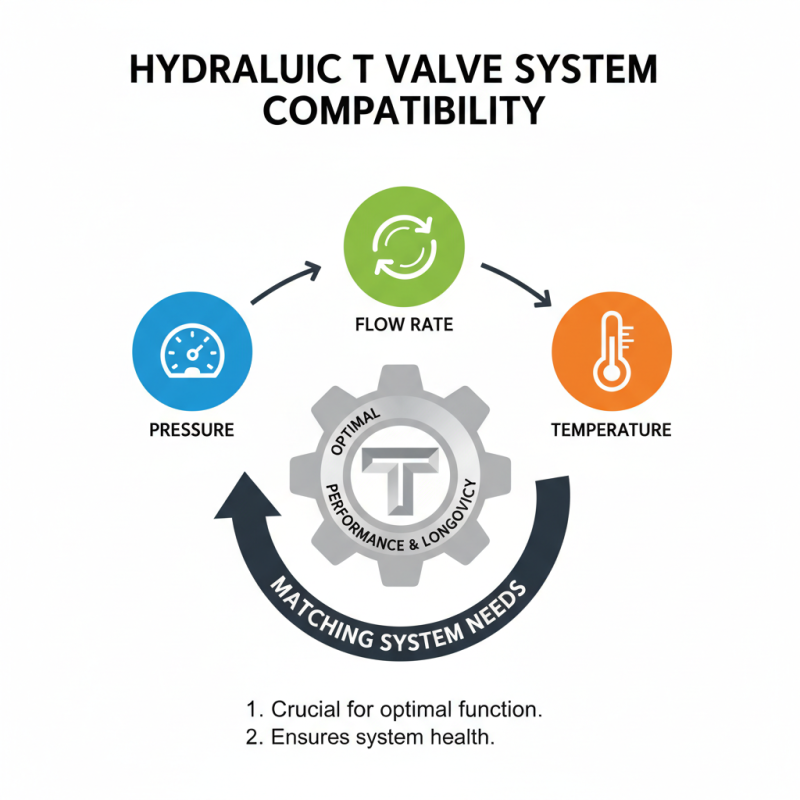
When selecting a hydraulic T valve, there are several key factors to consider. The valve's material is crucial. Different applications need specific metals or composites to ensure durability and performance. Corrosion resistance is vital, especially in harsh environments. The operating temperature and pressure ratings can significantly affect the valve's function. Ensuring the valve can handle your system's conditions is paramount.
Another important aspect is the flow rate. This determines how efficiently fluid travels through the system. A mismatch can lead to inefficiencies or even system failure. The installation process must also be considered. Some valves are easier to install than others, and a complex installation can delay projects and increase costs. Compatibility with existing systems serves as another critical factor. Always check if the T valve integrates well with current components.
Often, there are hypothetical scenarios where a suitable valve may not be the best fit for future needs. It’s important to think ahead. A compromise today might lead to more significant problems later. Take time to evaluate not just current but potential future applications. Misjudgments in the selection process can lead to costly repairs or replacements. An informed choice is essential for sustainable operations.
2026 How to Choose the Right Hydraulic T Valve for Your System? - Key Factors to Consider When Selecting Hydraulic T Valves
| Factor |
Description |
Considerations |
Example Values |
| Flow Rate |
The volume of fluid that can pass through the valve in a given time period. |
Ensure flow rate matches system requirements to prevent pressure loss. |
10-100 L/min |
| Pressure Rating |
The maximum pressure the valve can handle safely. |
Select a valve with a pressure rating above the system's peak pressure. |
210-700 bar |
| Material |
The substance used to manufacture the valve, affecting durability and compatibility. |
Choose materials that are resistant to corrosion and compatible with fluids. |
Steel, Stainless Steel, Aluminum |
| Size |
The physical dimensions of the valve affecting installation space. |
Ensure the valve fits in the intended space without restrictions. |
1/2", 3/4", 1" |
| Actuation Type |
How the valve is operated (manual, electric, pneumatic). |
Select based on ease of use, response time, and energy source. |
Manual, Electric, Pneumatic |
| Port Configuration |
Arrangement of inlet and outlet ports on the valve. |
Ensure compatibility with your system’s piping layout. |
Standard, Custom, ISO |
Common Issues and Troubleshooting for Hydraulic T Valves
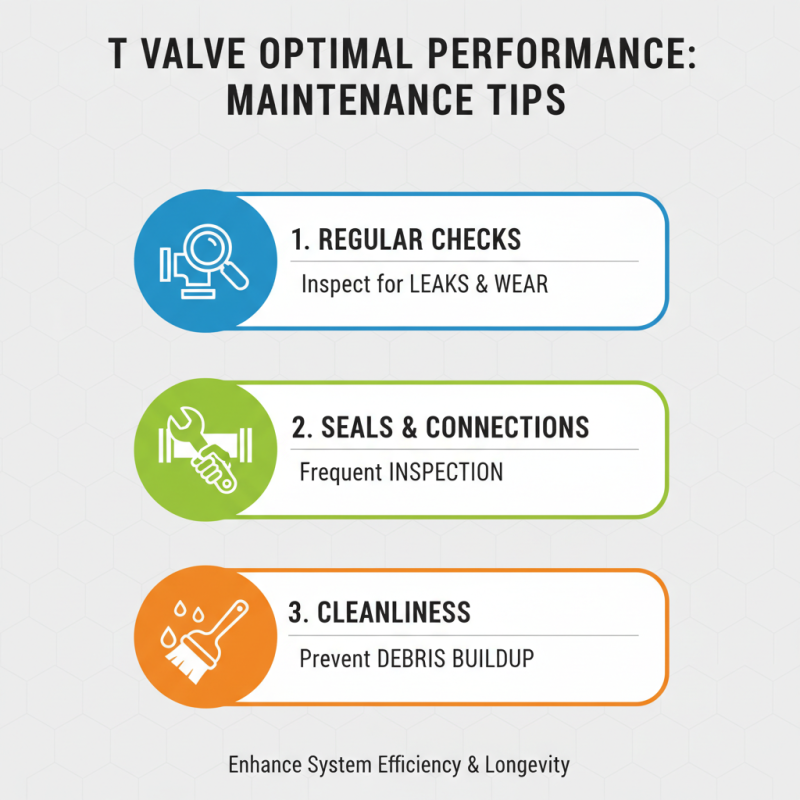
Hydraulic T valves play a critical role in many systems. However, they can face various issues that impact performance. Common problems include leaks, unexpected flow direction, and slow response times. Leaks often occur at connection points due to wear or improper sealing. A leaking valve can lead to fluid loss, reducing efficiency. Inspecting seals and tightening connections can help mitigate leaks.
Flow direction issues can arise from incorrect installation or damaged components. Always check the valve’s orientation against system requirements. If the valve fails to respond as expected, this can stem from stuck spools or internal blockage. Regular maintenance is essential to prevent debris buildup. It is essential to clean the valve and check for signs of wear.
Troubleshooting these common issues requires patience and a systematic approach. Maintaining clear documentation of past problems and solutions can guide future repairs. Additionally, consulting with an expert can provide deeper insights into persistent issues. Prioritizing routine maintenance enhances the reliability of hydraulic T valves. Knowledge of these common problems and solutions helps ensure smooth operations in complex systems.
2026 How to Choose the Right Hydraulic T Valve for Your System?
This chart illustrates key performance metrics for hydraulic T valves, including flow rate, pressure drop, installation cost, and maintenance frequency. Understanding these metrics can help in selecting the right valve for your system.