How to Choose New Machinery in 2026 for Your Business?
In 2026, selecting "Maquinarias Nuevas" for your business is more crucial than ever. The machinery sector is expected to grow by 4.5% annually, according to industry reports. This growth underlines the importance of making informed decisions. Expanding technology and environmental factors shape today’s market. Businesses must adapt or risk falling behind.
Investment in new machinery can significantly enhance productivity and efficiency. A recent study found that companies using advanced machinery saw a 30% increase in output. However, many businesses still hesitate. The fear of high costs or complex technology can create indecision. This hesitation can lead to missed opportunities.
Consideration of machinery’s longevity and operational costs is vital. A machine may seem affordable upfront, but long-term maintenance can add up. Evaluating all aspects can be challenging. The growing competition requires businesses to be proactive. Investing in the right "Maquinarias Nuevas" can set a company apart. Selecting machinery is not just about today; it’s about future-proofing your operations in a rapidly evolving landscape.
Understanding the Latest Trends in Machinery for 2026
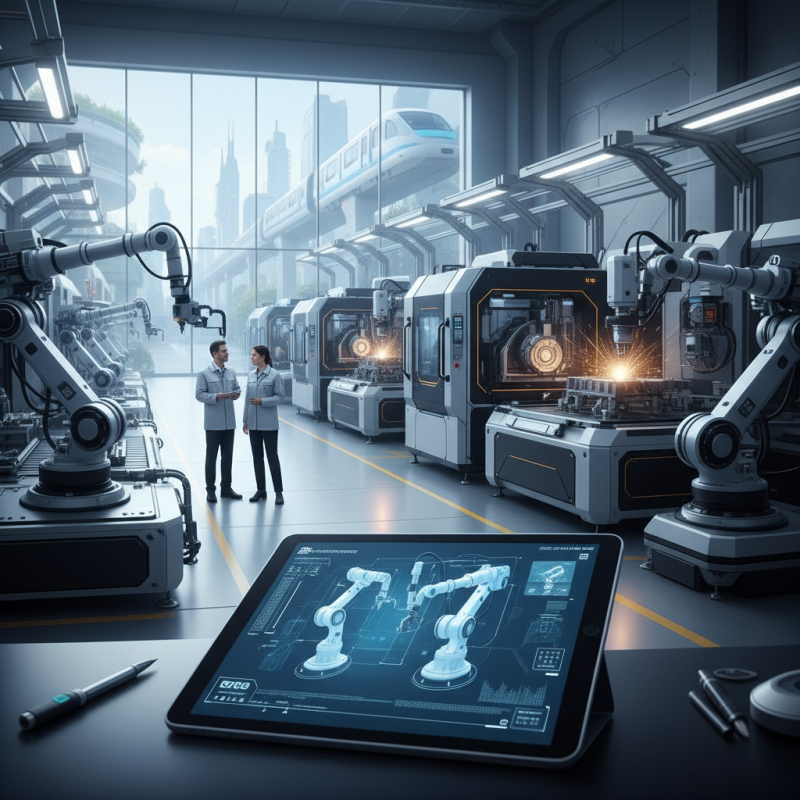
In 2026, choosing the right machinery is crucial. Industry trends highlight automation and sustainability. More businesses adopt smart tools. These innovations can boost productivity and reduce waste. For example, machinery with AI capabilities can optimize workflows. Understanding how these technologies work is vital.
Another trend is the focus on eco-friendly machinery. Equipment that consumes less energy is gaining popularity. Companies are more conscious of their environmental impact. Additionally, modular designs allow for flexible manufacturing. This adaptability is attractive in today's fast-paced market. However, businesses must assess their specific needs. Not every trend will fit every operation.
Investing in machinery requires thoughtful consideration. It can be tempting to follow trends blindly. Companies should evaluate their unique processes and goals. Rushing into purchases can lead to regrets. Striking a balance between innovation and practicality is key. Embrace change, but remain grounded in your business's reality.
Evaluating the Total Cost of Ownership for New Equipment
When considering new machinery for your business in 2026, evaluating the total cost of ownership (TCO) is crucial. TCO goes beyond the initial purchase price. It includes maintenance, energy consumption, and operational costs over the equipment's lifespan. Understanding these costs helps you make informed decisions.
For instance, a machine may have a low upfront cost but high maintenance needs. Regular servicing can add up fast. On the other hand, a more expensive machine might offer better energy efficiency and lower long-term costs. Calculate projected expenses meticulously. Analyze each option carefully.
Consider how downtime impacts your business. If a machine frequently malfunctions, it can hurt productivity and profits. Sometimes, a cheaper option leads to more headaches. Reflecting on these details can prevent costly mistakes. Identify your operational needs clearly. A machine that doesn't fit well can cause unexpected challenges.
Assessing Technological Advancements Impacting Machinery Choices
In 2026, businesses face an evolving landscape in machinery choices. Assessing technological advancements is crucial. Innovations in automation and artificial intelligence reshape industries. Consider the implications of smart machinery. They enhance efficiency but come with complexities. Is your team ready?
Tips: Look for machinery that has intuitive interfaces. Training costs can be high. Ensure your workforce can adapt quickly.
Evaluate sustainability as well. Eco-friendly options are gaining traction. They might have higher upfront costs but promise long-term savings. Do not overlook maintenance needs. Some advanced machines require specialized care, potentially straining budgets.
Technology is a double-edged sword. While it can streamline operations, unsuitable choices may lead to downtime. Always align machinery purchases with business goals. Regularly revisit your choices. Flexibility in your approach is vital for success.
Key Factors in Selecting Machinery for Industry-Specific Applications
When selecting machinery for specific industries in 2026, it's crucial to assess your unique requirements. A recent report from the Machinery Manufacturers Association reveals that 76% of businesses prioritize operational efficiency. This means you must analyze how each machine fits your production workflow. A new, high-tech machine may enhance speed, but does it complicate maintenance? Consider both immediate and long-term impacts.
Technology integration is another essential factor. According to the Industry Tech Report 2023, 65% of manufacturers are adopting smart technologies. These machines enable real-time monitoring and predictive maintenance. However, not all businesses are ready for this shift. Evaluate your team's ability to adapt. Training may be necessary, adding hidden costs to your investment.
Finally, sustainability cannot be ignored. The Green Operations Study indicates that machinery with energy-efficient features can reduce costs by up to 30%. Yet, these machines often come with higher upfront expenses. Will the savings justify this initial outlay? Reflecting on your overall business strategy will help you avoid potential pitfalls in your machinery selection process.
Key Factors in Selecting Machinery for Industry-Specific Applications in 2026
Importance of Sustainability and Energy Efficiency in Machinery Selection
Choosing new machinery in 2026 involves critical decisions centered around sustainability and energy efficiency. Businesses today face increasing pressure to minimize their environmental impact. This makes it essential to select machines that consume less energy and reduce waste. Eco-friendly machinery often comes with innovative features that allow for efficient resource usage.
When evaluating options, consider machinery designed for durability. Products that last longer lead to fewer replacements. Each replacement comes with its own carbon footprint. Additionally, energy-efficient machines may cost more upfront but can yield significant savings over time. Organizations can considerably lower operational costs by investing in reliable technology now.
However, it's essential to analyze if the machinery meets actual needs. Sometimes, businesses opt for features that sound attractive but may not provide practical benefits. Regular assessments of energy use can help identify inefficiencies. Don't overlook the importance of employee training in operating new systems. Proper use of equipment is crucial for maximizing efficiency and minimizing waste.