2026 How to Choose the Best Carbon Gravel Bike Wheelset?
In the realm of gravel biking, the choice of a carbon gravel bike wheelset significantly influences performance. According to a recent report by Cycling Weekly, quality wheels can improve a cyclist's efficiency by up to 15%. This emphasizes the importance of selecting the right wheelset for your riding style and terrain.
A carbon gravel bike wheelset offers a blend of low weight and inherent strength, crucial for navigating rough surfaces. Data from BikeRadar indicates that lighter wheels enhance climbing ability and handling. Nevertheless, riders often overlook the balance between weight, durability, and cost.
Many cyclists have experienced the challenges of selecting the ideal wheelset. Options abound, yet not all promise top-tier performance. Choosing wisely is fundamental; a poorly selected set could lead to dissatisfaction. As the gravel biking community grows, so does the demand for advanced wheel technology. Hence, understanding the attributes of a carbon gravel bike wheelset is essential for making informed decisions.
Understanding Carbon Gravel Bike Wheels and Their Advantages
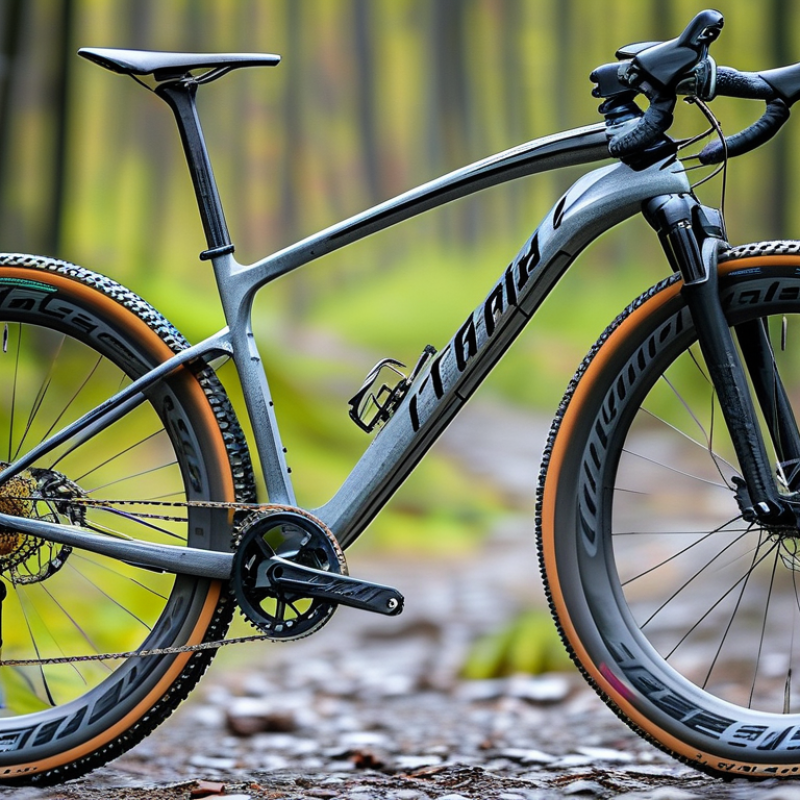
When exploring carbon gravel bike wheels, it’s essential to recognize their unique advantages. Carbon wheels are lighter than aluminum ones. This offers better acceleration and climbing capabilities. They also provide improved vibration damping, granting a smoother ride on rough gravel paths. Riders often appreciate this comfort during long journeys.
Strength is another benefit of carbon wheels. They can handle rough terrains without compromising performance. The stiffness in the wheelset allows for precise handling and responsiveness. However, they can be pricier than traditional options, leading some to consider if the investment is justified for their riding style. It may take time to determine if carbon’s performance meets your needs.
Weight and performance come with risks, too. Carbon can crack under extreme stress. Riders must inspect their wheels regularly for any signs of damage. The maintenance of these wheels requires careful attention. While carbon wheels provide numerous advantages, it's vital to weigh the potential downsides to make an informed decision.
Key Features to Consider When Choosing a Wheelset
When selecting a carbon gravel bike wheelset, several key features should be considered. Weight is crucial for performance. Lighter wheels can improve acceleration and climbing. However, there’s a balance. Wheels that are too light may lack durability. Riders may face challenges when navigating rough terrains.
Another essential factor is the rim width. Wider rims offer better tire support and improve comfort. They also enhance traction on uneven surfaces. A width of 25mm to 30mm is often recommended for gravel riding. This allows for wider tires, which can withstand more varied conditions. Yet, finding the right width requires personal testing. Comfort varies from rider to rider.
Consider the hub design as well. Quality hubs contribute to smoother rides and better energy transfer. Bearings play a significant role in this aspect. Sealed bearings can reduce maintenance but may feel stiffer at first. Frequent riders should weigh these options. Listen to your experience when choosing wheels. Don’t just rely on specifications alone; ride them and feel the difference.
2026 How to Choose the Best Carbon Gravel Bike Wheelset? - Key Features to Consider When Choosing a Wheelset
| Feature | Description | Importance |
| Weight | Lighter wheels improve acceleration and climbing efficiency. | High |
| Material | Carbon fiber offers stiffness and low weight. | Critical |
| Rim Width | Wider rims provide better tire support and aerodynamics. | Medium |
| Hub Compatibility | Ensure hubs fit your frame and drivetrain. | High |
| Spoke Count | More spokes can mean more strength, but also more weight. | Medium |
| Brake Type | Disc brakes provide better stopping power and control. | High |
| Aerodynamics | Aerodynamic designs can reduce drag for faster speeds. | Medium |
Evaluating Rim Width and Tire Compatibility
When choosing a carbon gravel bike wheelset, rim width and tire compatibility are critical. A wider rim can support larger tires, which is essential for gravel riding. Typically, a rim width between 25mm to 30mm pairs well with wider tires, enhancing performance on uneven surfaces. This width provides better air volume and improved traction.
Tire compatibility is not just about fitting. It involves matching the tire's width to the rim. A proper fit prevents unwanted bulging or pinch flats. Most gravel tires range from 32mm to 50mm. However, testing different combinations can yield surprising results. Sometimes, a narrower or wider tire may perform better depending on terrain. Learning from experience is key here.
There’s a fine balance in selecting rims and tires. Oversized setups can lead to decreased responsiveness. On the flip side, underwhelming options may limit performance. Continuous evaluation of your ride is beneficial. Maintaining a flexible approach allows for adjustments that can enhance comfort and speed. Your choice should reflect your riding style, preferences, and the conditions you encounter.
Assessing Weight vs. Durability in Wheelsets
Choosing a carbon gravel bike wheelset involves critical decisions, especially when it comes to weight versus durability. A lighter wheelset enhances acceleration and climbing efficiency. Riders often feel faster with less weight on their bike, improving overall performance. However, lightweight wheels can sacrifice durability, particularly on rugged terrain.
Durability is paramount for gravel riding. Harsh conditions can easily damage lightweight wheels. Riders should reflect on their typical routes. If they often ride over rough surfaces, more robust wheels may be necessary. This might include heavier materials that offer greater strength. A balance between weight and durability varies by rider experience and goals.
Investing in a wheelset requires thoughtful consideration. Some might overlook minor imperfections in build quality. A careful inspection can reveal weaknesses. Researching construction methods and materials provides insight. Understanding these elements helps riders make informed decisions. Ultimately, choosing the right wheelset significantly impacts riding experience.
Budgeting for Your Ideal Carbon Gravel Wheelset
When budgeting for a carbon gravel wheelset, start by determining your upper limit. A good wheelset is an investment. Expect to spend anywhere from a few hundred to a few thousand dollars. Make a list of must-have features. This will help you prioritize your spending. Carbon wheels offer advantages, like lighter weight and better aerodynamics, but they come at a cost.
Consider the terrain you will ride. If you often venture onto rugged paths, durability should be a focus. Some wheels excel in stability, while others might sacrifice durability for weight savings. Balancing performance with your budget can be a challenge. Reflect on how much you ride and what you need. Sometimes, budget wheels can provide equal satisfaction for casual riders.
Pay attention to additional costs. Installation, maintenance, and accessories can add up quickly. Don’t forget the importance of reviews and feedback from experienced riders. This information can guide your choices and avoid costly mistakes. The world of carbon gravel wheelsets is complex. Take your time to research and reflect on your priorities.