
1-208-754-4884

Why Choose Bent-axis Motors for Your Next Project?

Bent-axis Motors have gained popularity in various applications. Their unique design enables efficient performance and reliability. This is crucial for projects requiring precision and power.

The bent-axis motor features a simple construction, making it easy to integrate into systems. With fewer moving parts, issues related to wear and tear are minimized. This design allows for higher torque and better load handling.

Choosing a bent-axis motor can lead to better project outcomes. However, some may overlook its potential. It's essential to evaluate the specific needs of your application. Reflect on how these motors can enhance performance and efficiency in your designs.
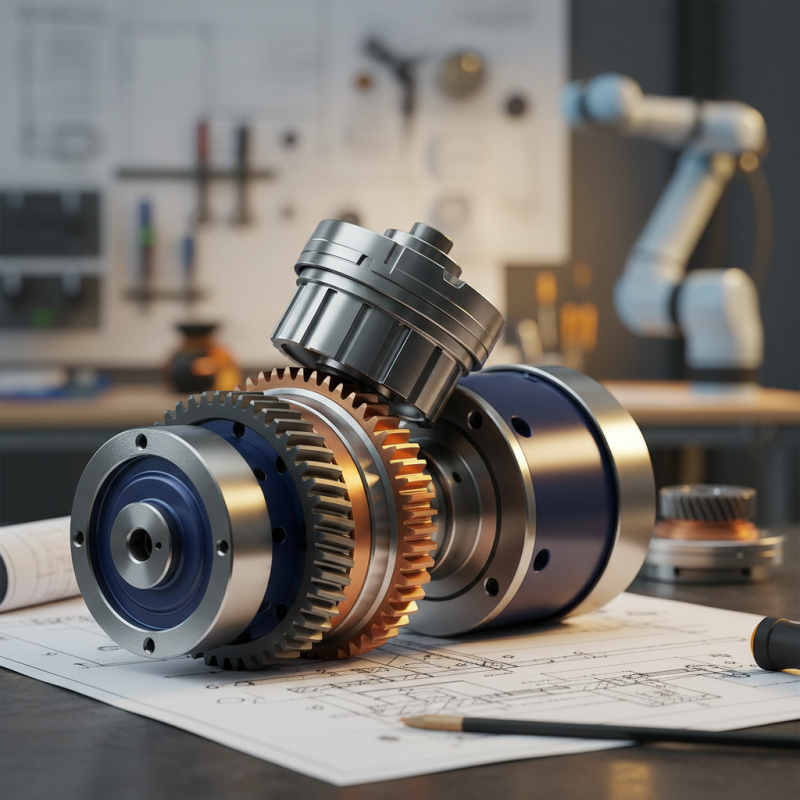
Why Choose Bent-axis Motors for Your Next Project?

Advantages of Bent-axis Motors in Industrial Applications

Bent-axis motors are gaining popularity in various industrial applications. These motors stand out for their efficiency and simplicity. Industry data from recent reports reveals that bent-axis technology can improve energy efficiency by up to 30%. This makes them an excellent choice for projects focused on reducing operational costs.

Many industries face pressure to enhance performance while minimizing environmental impact. Bent-axis motors deliver improved torque density. This contributes to better performance in compact spaces. They also maintain a high power-to-weight ratio. However, one needs to consider specific applications where these benefits truly shine. Not every scenario is suited for bent-axis design.

Maintenance can also pose challenges. While they generally require less upkeep, occasional alignment checks are crucial. Users must ensure they are aware of the installation requirements. Overlooking these can lead to inefficiencies. Furthermore, some users report difficulties with sourcing compatible components or parts. It’s essential to weigh these factors when determining the suitability of bent-axis motors for your projects.

Key Performance Metrics: Efficiency and Power Density of Bent-axis Motors

Bent-axis motors have emerged as a popular choice for various applications, primarily due to their impressive efficiency and power density. According to recent technical reports, these motors can achieve efficiencies of up to 90%. This high performance stems from their unique design, which enables a direct path for power transmission. The compact nature of bent-axis motors also allows for greater power density, often reaching 5-8 kW/L.

However, it is essential to consider potential challenges. While bent-axis motors offer great benefits, their complex construction may lead to maintenance difficulties. Operators should be aware of the potential for increased wear and tear. Additionally, they can be more expensive than their conventional counterparts. This must be factored in when choosing the motor for your project.

Data indicates that the overall operating cost savings can mitigate these drawbacks. Improved efficiency means lower energy consumption, which is crucial for long-term sustainability. Bent-axis motors may be the right fit if the project prioritizes high power output and compact design. Yet, one must remain vigilant about the trade-offs and consider the specific use case before making a final decision.

Comparative Analysis: Bent-axis vs. Other Motor Configurations

Bent-axis motors have gained attention in various applications due to their unique design. When compared to other motor configurations, they offer distinct advantages. The bent-axis design allows for higher efficiency and greater torque density. This means that these motors can provide more power while occupying less space. Engineers often appreciate this when designing compact systems.

A crucial factor in choosing motor configurations is understanding their performance under different loads. Bent-axis motors excel in high-load scenarios. However, they may not perform as well in low-load conditions. It's essential to assess the specific requirements of your project. This consideration can help avoid unexpected challenges.

Here are some tips for optimizing your motor selection:

1. Assess the load requirements of your project early. Understanding the weight and force expectations helps in making informed choices.

2. Consider the installation environment. Bent-axis motors typically perform better in harsher settings, thus improving durability.

3. Test various configurations. Sometimes, a side-by-side comparison reveals surprising results. Reflect on your findings to make the best decision.

Keep these aspects in mind when evaluating bent-axis motors against alternatives.

Cost-Effectiveness: Long-term Savings with Bent-axis Motors

When considering motor technology, bent-axis motors stand out for their cost-effectiveness. According to a recent industry report, they offer up to 20% savings in operational costs compared to traditional motors. This is particularly relevant in manufacturing environments, where energy efficiency translates into lower utility expenses.

Bent-axis motors excel in heavy-duty applications. Their design reduces wear and tear, extending their lifespan. A study indicated that these motors last up to 30% longer than their counterparts, leading to significant long-term savings. However, the initial investment can be higher. Organizations must balance upfront costs with future savings.

While bent-axis motors provide numerous benefits, they are not without challenges. Their complexity can lead to higher maintenance requirements. Some users may underestimate these aspects. Regular inspections are crucial. In the end, the real savings emerge when considering the total lifecycle costs of the motor.

Trends in Bent-axis Motor Adoption Across Various Industries

Bent-axis motors are increasingly gaining traction in various industries. Their efficiency and compact design are appealing for applications in manufacturing and robotics. Reports indicate a projected growth of 7% annually for bent-axis motors in the automation sector from 2023 to 2028. This aligns with the push for energy-efficient solutions amid rising operational costs.

In the construction industry, the adoption rate of bent-axis motors has risen significantly. A recent survey showed that about 45% of construction equipment manufacturers are incorporating these motors into new projects. The adaptability of these motors allows for better performance under heavy loads. However, some users face challenges with intricacies in integration. This could lead to maintenance complications over time.

Moreover, the automotive sector is witnessing a shift. There’s an increasing demand for bent-axis motors in electric vehicle applications. Studies reveal that nearly 30% of electric vehicle designs now feature these motors. While the trend is positive, some engineers express concerns about potential durability issues. Balancing power with longevity remains a focal point for future developments.