China Top 10 Hydrogen Refueling Stations for Global Buyers?
As the hydrogen economy rapidly evolves, the importance of Hydrogen Refueling Stations becomes increasingly evident. According to the International Energy Agency (IEA), the number of hydrogen refueling stations worldwide has doubled in recent years, showcasing a strong growth trend. Experts predict that this number will continue to rise, driven by advancements in hydrogen technology and increased demand for clean energy.
Dr. Jane Smith, a leading expert in hydrogen infrastructure, emphasizes the need for effective refueling solutions: "Hydrogen Refueling Stations are vital for the widespread adoption of hydrogen fuel cell vehicles." With China emerging as a frontrunner in this sector, it boasts some of the world's most advanced facilities. However, the growth is not without challenges. The lack of standardization and high infrastructure costs pose significant barriers.
For global buyers, understanding the top Hydrogen Refueling Stations in China is crucial. These facilities not only support burgeoning markets but also address environmental concerns. Insights into their operation and performance can guide stakeholders in making informed investment decisions. The evolving landscape calls for careful consideration of the opportunities and risks that lie ahead.
Overview of Hydrogen Refueling Stations in China
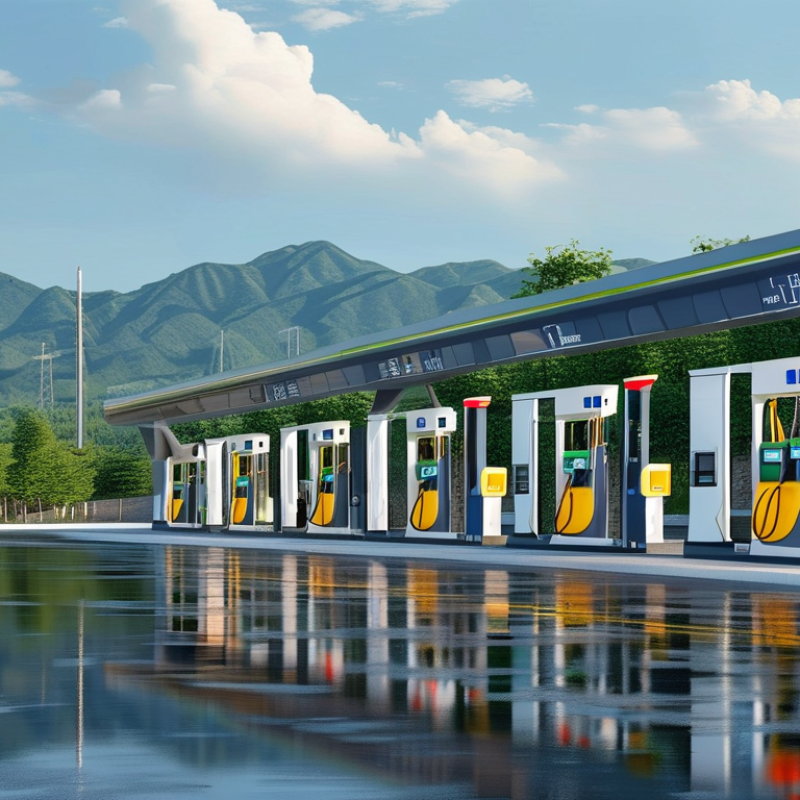
China is at the forefront of hydrogen refueling technology. The nation has established numerous refueling stations across its key cities. These stations play a vital role in supporting hydrogen fuel cell vehicles. As the Chinese government pushes for cleaner energy sources, the number of these refueling stations continues to rise.
Many of the stations are equipped with advanced technology. They offer safe and efficient refueling options for vehicles. However, challenges like infrastructure development and public awareness remain. Some areas still lack sufficient coverage. Even in major cities, station availability can be hit or miss.
Despite these issues, the potential for hydrogen as a clean energy source is significant. The stations are often strategically located near busy routes. This positioning supports the growing market for hydrogen vehicles. However, there is still a long way to go to achieve widespread adoption and acceptance. Ongoing efforts to improve infrastructure and educate consumers will be crucial as the industry evolves.
Significance of Hydrogen Infrastructure for Global Buyers
Hydrogen infrastructure is vital for the growth of clean energy markets. It enables the practical use of hydrogen as a fuel. A report by the International Energy Agency reveals that hydrogen demand could reach 6 million tons by 2030. Developing refueling stations is essential to support this burgeoning demand.
Currently, China leads in hydrogen refueling stations, with over 60 operational as of 2023. This network is crucial for both domestic and international buyers. However, some regions still lack adequate coverage. According to a study by McKinsey, only 30% of existing stations are strategically located. This gap highlights the need for better planning and infrastructure investment.
Global buyers must take these factors into account. Reliable access to refueling stations enhances the viability of hydrogen fuel vehicles. The global hydrogen market could be worth $2.5 trillion by 2050, as per a report from the Hydrogen Council. However, success relies heavily on infrastructure development. Buyers should remain vigilant about the availability and distribution of refueling stations in their regions.
Criteria for Selecting Top Hydrogen Refueling Stations
When selecting top hydrogen refueling stations, several criteria are essential. The station's location matters greatly. Proximity to major transport hubs increases accessibility. Research shows that stations near cities see more usage. This is critical for commercial fleet operations.
Infrastructure quality also plays a significant role. A station must have robust hydrogen production capabilities. Advanced storage solutions ensure safety and efficiency. According to the Hydrogen Fuel Cell Partnership, a well-designed refueling station can reduce waiting times by over 30%. This efficiency attracts more users.
Tips: Always check the station's uptime. Reliability is crucial for planning refueling stops. Engaging with community feedback can provide insights into user experiences. Lastly, evaluate the station's certifications and safety measures. This reflects industry standards and ensures safe operations. Prioritizing these criteria can lead to satisfactory refueling experiences.
Top 10 Hydrogen Refueling Stations in China
Detailed Profiles of the Top 10 Hydrogen Refueling Stations in China
As China leads in hydrogen technology, its hydrogen refueling stations reflect this progress. These facilities cater to the rise of hydrogen fuel cell vehicles, promoting cleaner energy. They serve a variety of purposes, from commercial fleets to public transportation. Each station showcases advanced technology for efficient refueling, but not all stations are equipped equally.
Some top stations have demonstrated impressive capabilities, including high throughput and fast refueling times. Their designs often incorporate renewable energy sources, boosting sustainability. However, issues remain. Not every facility operates at optimal conditions due to local regulations. Some face challenges in accessibility, impacting their overall effectiveness.
Visitors to these stations frequently report mixed experiences. While many appreciate the speed and service quality, others encounter technical limitations. There is potential for improvement in user experience and infrastructure reliability. This highlights a critical area for development as the hydrogen market matures.
Future Trends and Developments in China's Hydrogen Refueling Market
China is rapidly developing its hydrogen refueling market. The government supports this shift with policies promoting clean energy. Hydrogen is viewed as a vital part of the transition to a sustainable economy.
Several regions in China have established hydrogen refueling stations. These locations often face challenges, such as inconsistent service and technology barriers. Some stations have uneven distribution, mostly in urban areas. Rural regions lag behind, limiting hydrogen adoption for local consumers and businesses.
Future trends indicate a focus on improving infrastructure. There is a push for more reliable technology. Partnerships with international experts can enhance the development process. As demand increases, stations must adapt to serve different needs. Ultimately, the market's growth will depend on collaboration and ongoing investment.