
1-208-754-4884

Top 10 Cabin Filter Myths You Should Stop Believing?

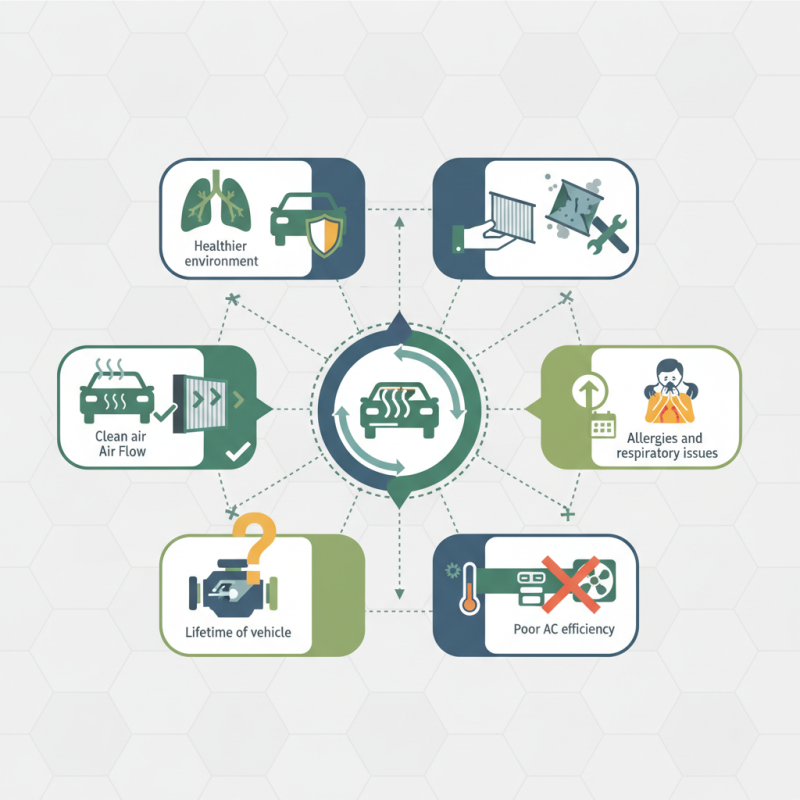
The topic of Cabin Filters often stirs up misconceptions. Many drivers underestimate their importance. According to automotive expert John Smith, “A clean cabin filter ensures clean air and a healthier driving environment.” Misunderstanding the function of the cabin filter can lead to poor air quality inside vehicles.

People believe cabin filters don’t need frequent changes. Some argue that they last the lifetime of the vehicle, which is inaccurate. This misconception can result in allergies or respiratory issues while driving. Studies show that clogged filters reduce airflow, making air conditioning systems less efficient.

Let’s shed light on these myths. It's essential to understand that neglecting cabin filters can impact your health and overall comfort. A little knowledge can help ensure you breathe easier in your vehicle. Reflect on how often you maintain your cabin filter. It's an often overlooked aspect of vehicle maintenance.
Top 10 Cabin Filter Myths You Should Stop Believing?

Common Misconceptions About Cabin Filters in Vehicles

Many people hold misconceptions about cabin filters in vehicles. One common myth is that cabin filters do not need regular replacement. However, over time, filters can become clogged with dust and debris. This can reduce air quality inside your car. It's essential to check them periodically.

Another belief is that all vehicles have cabin filters. This is not true. Some older models lack this feature entirely. In those cars, you might notice more dust and pollen inside. Not relying on a cabin filter can worsen allergies, especially during pollen season.

**Tips:** Always refer to your vehicle’s manual for cabin filter information. If you’re unsure about when to replace it, consult with a professional technician. A clean filter ensures better airflow and a healthier environment. Additionally, consider using filters designed to capture allergens, especially if you have sensitivities. A little effort can make a significant difference in air quality.

Top 10 Cabin Filter Myths You Should Stop Believing

Myth Reality
Cabin filters are only necessary for allergy sufferers. Everyone can benefit from clean cabin air, not just those with allergies.
You only need to replace your cabin filter once a year. Replacement frequency depends on driving conditions; check it regularly.
All cabin filters are the same. Filters vary in design and filtration efficiency; choose the right type for your vehicle.
Cabin filters don’t affect car performance. A clean filter can improve airflow and efficiency of the HVAC system.
Replacing cabin filters is difficult. Many filters are easy to access and can be replaced in minutes.
You can wash and reuse a cabin filter. Most cabin filters are designed for single use and not washable.
More expensive filters are always better. Price doesn't always reflect effectiveness; check specifications and reviews.
You should wait until the filter is visibly dirty to replace it. Regular checks are important; filters can be clogged without visible dirt.
Cabin filters don't help with odors. Many filters contain activated carbon that helps reduce odors.
My car doesn't have a cabin filter. Most modern vehicles are equipped with a cabin filter; check your owner’s manual.

The Importance of Regular Cabin Filter Maintenance

Regular cabin filter maintenance is crucial for your vehicle's air quality. A clean filter ensures that the air inside your car is fresh. It filters out dust, pollen, and other pollutants. When the filter is neglected, these particles circulate in the cabin. This can lead to respiratory issues for passengers. Even a slightly dirty filter can reduce airflow. It may not seem like a major problem, but the effects are noticeable.

Some people believe that cabin filters never need changing. This is a myth that can have serious consequences. Filters should be checked regularly, especially during seasons with high pollen counts. A clogged filter strains your car’s ventilation system. This strain can lead to costly repairs down the road. Additionally, a neglected filter may cause unpleasant odors. If you notice musty smells, it could be time for a replacement.

Don't wait until it's too late. A simple check can save you from bigger issues. Regular maintenance is easy to overlook, yet it plays a significant role in vehicle health. Keeping your cabin filter clean allows everyone to enjoy a safe and pleasant driving experience. Remember, it's a small step for a healthier car environment.

Understanding Cabin Filter Types and Their Functions

Cabin filters play a vital role in vehicle maintenance. They improve air quality inside the car. Essential for trapping dust and pollutants, these filters ensure a pleasant driving atmosphere. Many drivers underestimate their importance. Ignoring filter changes can lead to bad smells and reduced airflow.

There are different types of cabin filters. Some have activated carbon, which can absorb odors more effectively. Others are simply paper-based, focusing on dust and debris. Choosing the right type depends on your environment. If you frequently drive in polluted areas, an activated carbon filter may be ideal. However, it can be tempting to skip checks, thinking they last forever.

A common misconception is that all filters are the same. This isn’t true. The efficiency and effectiveness can vary greatly. Understanding what your cabin filter does is crucial. Regular maintenance is often neglected. This oversight can lead to costly repairs down the line. Recognizing the signs of a bad filter, such as poor air quality, helps mitigate issues before they escalate.

Signs That Indicate Your Cabin Filter Needs Replacement

A cabin filter plays a crucial role in maintaining air quality inside your vehicle. However, many drivers overlook its importance. A dirty cabin filter can lead to unpleasant odors and reduced airflow. If you notice a musty smell or a significant decrease in air circulation, it's time to check the cabin filter.

Other signs include increased dust settling on the dashboard and frequent sneezing or allergies while driving. These symptoms often signal that your cabin filter is clogged. You may not notice these issues right away. But over time, they become more prominent. Ignoring them can lead to a less comfortable driving experience.

Sometimes, people believe that cabin filters only need replacement during routine oil changes. This isn't always the case. If you frequently drive in heavy traffic or on dirt roads, your filter might need replacement sooner. It's wise to inspect it regularly. Keeping track of these signs can help ensure you're breathing cleaner air. So, don't wait until the air quality drops. A simple check can go a long way in maintaining comfort in your vehicle.

Top 10 Cabin Filter Myths You Should Stop Believing

This bar chart illustrates the percentage of people who believe in common cabin filter myths. Understanding the truth behind these myths can help you maintain your vehicle better.

Debunking Myths on Cabin Filter Efficiency and Performance

Cabin filters play a crucial role in vehicle comfort and health. However, misconceptions about their performance continue to circulate. For instance, many believe that cabin filters can filter out all airborne pollutants. In reality, while these filters significantly reduce dust and pollen, they cannot trap every particle. According to a study by the Society of Automotive Engineers, cabin filters remove only about 90% of larger particles, leaving smaller pollutants unfiltered.

It's also a common myth that all filters are the same. In fact, efficiency varies greatly among different products. A 2020 report indicated that higher-grade filters can capture finer particles than standard options. Investing in quality cabin filters can enhance air quality in your vehicle significantly.

Tips: Regularly check your cabin filter. Dirty filters can restrict airflow and reduce effectiveness. Change it at recommended intervals to ensure optimal performance. Consider upgrading to premium filters if you often drive in polluted areas. This small step can have a major impact on your driving experience.

Article Source: