Best Solar Regulator For Lithium Battery to Optimize Performance?
As the demand for renewable energy solutions grows, optimizing battery performance is crucial. One key component in this process is the Solar Regulator For Lithium Battery. Industry expert Dr. Sarah Greene emphasizes the importance of this technology. She states, "The right solar regulator can significantly enhance the efficiency of lithium batteries."
These regulators manage the charging process, ensuring that batteries reach their optimal performance. By preventing overcharging and maintaining the correct voltage, they increase battery lifespan and efficiency. However, not all solar regulators are made equal. Different specifications can impact performance.
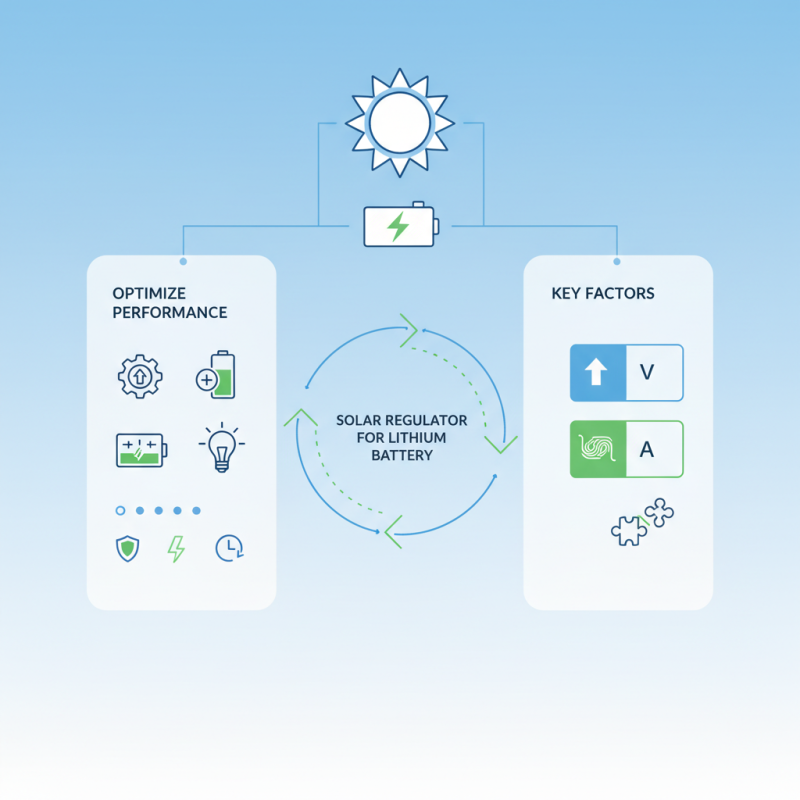
Choosing the best solar regulator involves understanding the unique needs of your battery system. Factors like voltage, current capacity, and compatibility play essential roles. Finding the right balance can seem daunting, but informed decisions lead to better results. Many overlook these details, leading to less-than-optimal setups. With the right knowledge, users can harness the full potential of their Solar Regulator for Lithium Battery.
Best Solar Regulator Types for Lithium Battery Optimization
When selecting the best solar regulator for lithium batteries, understanding the types is crucial. Maximum Power Point Tracking (MPPT) regulators are highly efficient. They adjust the voltage and current to ensure optimal energy transfer from solar panels. This efficiency translates to more energy stored in your lithium battery.
[Image1] Pulse Width Modulation (PWM) regulators are another option. They offer a simpler design. However, their efficiency is lower than MPPT. Using PWM might lead to slower charging rates. If you opt for PWM, ensure your solar panel output matches the battery’s needs carefully.
Tips: Regularly monitor the performance of your solar regulator. Adjust settings based on seasonal changes. Keep an eye on temperature as overheating can reduce efficiency. Also, consider battery management systems. They enhance the safety and lifespan of lithium batteries. Balancing energy inputs will optimize overall system performance. Your choice should align with your specific energy demands and budget.
Key Features to Look for in Lithium Battery Solar Regulators
When choosing a solar regulator for lithium batteries, several key features are crucial. Look for a model with an MPPT (Maximum Power Point Tracking) function. This technology maximizes energy harvest from solar panels. It efficiently converts excess voltage into additional charging current. Higher efficiency means longer battery life and better performance.
Another important aspect is temperature compensation. Lithium batteries can be sensitive to temperature changes. A regulator with temperature sensing adjusts the charging voltage accordingly. This helps maintain optimal performance throughout varying conditions. Make sure the unit has over-voltage protection. This feature prevents battery damage, ensuring safer operation.
Consider compatibility with diverse solar panel sizes and configurations. A versatile regulator can adapt to different setups as your needs change. Also, read reviews before making a choice. While specifications matter, real-world performance can differ. Reflect on user experiences to gauge reliability. With careful consideration, you can ensure a long-lasting energy solution.
Understanding PWM vs. MPPT Technology in Solar Regulators
PWM (Pulse Width Modulation) and MPPT (Maximum Power Point Tracking) are two prominent technologies used in solar regulators. Each has unique strengths that can significantly affect the performance of your solar system, especially when paired with lithium batteries. Understanding these differences is crucial for optimizing solar energy systems.
PWM technology has been widely used for years. It controls voltage by rapidly switching the connection to the battery on and off. This method is simpler and generally less expensive, but it can be less efficient. According to a report from Solar Industry Research, PWM regulators can waste up to 30% of potential energy in certain conditions. This inefficiency can lead to slower charging times for lithium batteries. For those looking for cost-effective solutions in smaller solar setups, PWM can still deliver satisfactory performance.
On the other hand, MPPT technology maximizes energy harvest by adjusting the input voltage to find the optimal power point. This method can increase energy efficiency by up to 40% compared to PWM. Additional studies highlight that systems using MPPT can charge lithium batteries faster, making it a preferable option in larger installations or off-grid applications. However, MPPT regulators come at a higher initial cost. This raises the question of whether the investment aligns with your specific energy needs. Balancing cost and efficiency is paramount when choosing the right solar regulator.
Impact of Temperature on Solar Regulator Efficiency with Lithium Batteries
Temperature plays a crucial role in the efficiency of solar regulators used with lithium batteries. Studies indicate that high temperatures can decrease their efficacy. In fact, research shows that a rise of just 10 degrees Celsius can lead to a reduction in performance by approximately 10%. This poses a significant challenge, especially in regions with extreme heat.
Lithium batteries operate best within a temperature range of -20°C to 60°C. Outside this range, not only does the charging speed decline, but also the lifespan of the battery can be compromised. Many solar regulators struggle to maintain optimal output in fluctuating temperatures, which can result in inefficient energy management.
Moreover, varying thermal conditions present a dilemma for users. Maintaining ideal conditions often requires additional investment in cooling systems or placing regulators in shaded areas. Neglecting temperature impacts could result in considerable energy loss. Acknowledging these factors is vital for achieving maximum performance from solar technology. Do users fully comprehend the necessity of temperature regulation? It’s an area that merits reflection and deeper understanding.
Best Solar Regulator For Lithium Battery to Optimize Performance
| Temperature (°C) | Regulator Efficiency (%) | Battery Voltage (V) | Charging Current (A) | Optimal Power Output (W) |
| -10 | 85 | 12.6 | 5 | 63 |
| 0 | 88 | 12.8 | 6 | 76.8 |
| 25 | 91 | 13.0 | 7 | 91 |
| 50 | 89 | 13.5 | 6 | 81 |
| 60 | 82 | 13.2 | 5 | 66 |
Choosing the Right Voltage Settings for Optimal Lithium Battery Charging
When selecting voltage settings for lithium battery charging, accuracy is crucial. Lithium batteries have specific voltage requirements for optimal charging. The ideal charging voltage typically ranges from 3.2V to 4.2V per cell. Exceeding this range can lead to overheating and reduced battery lifespan. Data indicates that improperly set charging voltages can diminish battery performance by up to 20% over time.
Monitoring temperature during charging is also essential. Battery life diminishes if temperatures rise above 45 degrees Celsius. Reports suggest that even small temperature increases can exacerbate age-related decline in lithium battery capacity. It’s vital to incorporate temperature sensors in the charging system, ensuring that the battery remains in a safe operating range.
However, many users overlook these settings, potentially leading to short battery life. A study found that nearly 30% of users do not adjust settings for their specific battery type. Regularly checking and adjusting voltage settings in accordance with manufacturer recommendations is needed. A proactive approach can enhance battery efficiency and longevity, offering tangible benefits in energy storage systems.