Best Smoke Detector Options for Home Safety and Security?
When it comes to home safety, a reliable Smoke Detector is essential. John Smith, a recognized expert in fire safety, once stated, “A smoke detector can be the difference between life and death in a fire.” This underscores its importance in our daily lives.
Choosing the best smoke detector involves understanding various options available. There are ionization detectors, photoelectric detectors, and combination units. Each type has its strengths and weaknesses. Families need to assess their unique situations. For instance, homes with children or elderly residents may require enhanced safety measures.
Many people overlook the maintenance of smoke detectors. Regular testing, battery replacement, and location are crucial. A smoke detector placed too high or hidden can fail to alert you in time. While these devices are critical, their effectiveness relies on appropriate installation and upkeep. Staying informed and proactive can significantly enhance your home safety.
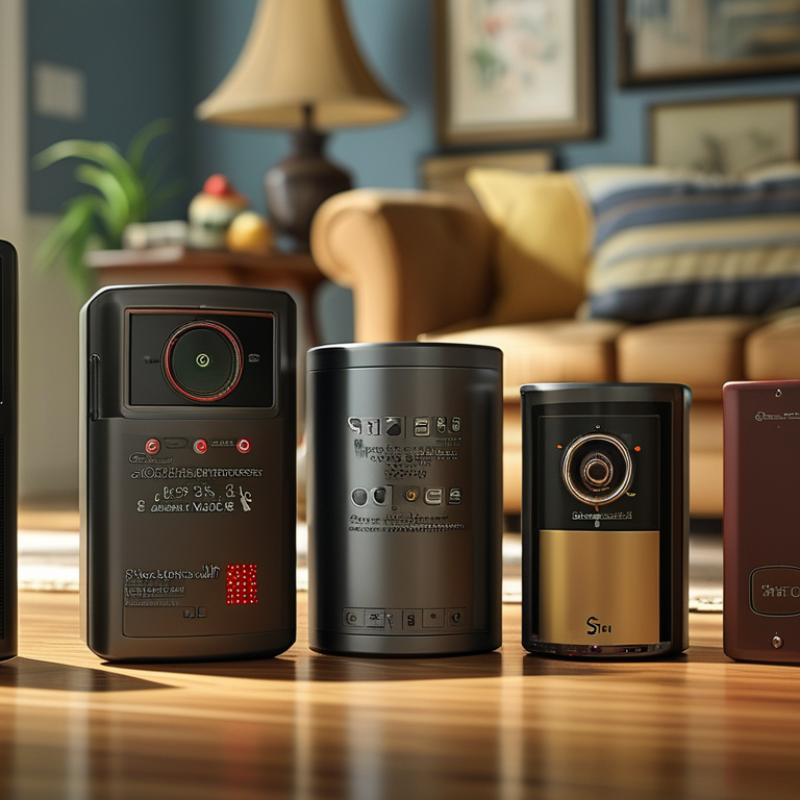
Understanding the Importance of Smoke Detectors in Home Safety
Smoke detectors play a crucial role in ensuring home safety. According to the National Fire Protection Association (NFPA), smoke alarms reduce the risk of dying in a home fire by 50%. This statistic underscores their importance in every household. Having a properly functioning smoke detector can be the difference between life and death during a fire emergency.
Furthermore, it's alarming to note that 3 out of 10 home fire deaths result from fires in homes without working smoke alarms. Regular testing and maintenance are essential. Many people forget to check their alarms. The NFPA recommends testing smoke alarms monthly and replacing batteries at least once a year. Even with this knowledge, many still neglect these critical steps, highlighting a significant issue in home safety practices.
While most households have smoke detectors, many overlook their age. Smoke alarms have a lifespan of about 10 years. After that, they can become unreliable. Surprisingly, many people do not realize this. This lack of awareness can lead to dangerous situations. Regularly replacing smoke detectors can help maintain a safer environment. Understanding these facts can empower families to take necessary precautions for safety.
Best Smoke Detector Options for Home Safety and Security
| Detector Type | Power Source | Features | Average Price ($) | Lifespan (Years) |
| Ionization Detector | Battery | Fast response to flaming fires | 25 | 10 |
| Photoelectric Detector | AC Power | Good for smoldering fires | 35 | 10 |
| Combination Detector | Battery Backup | Smoke and CO detection | 50 | 7 |
| Smart Detector | Battery/AC | Mobile alerts, voice alerts | 120 | 10 |
| Heat Detector | AC Power | Detects temperature changes | 65 | 10 |
Types of Smoke Detectors: Ionization vs. Photoelectric
When choosing a smoke detector, understanding the differences between ionization and photoelectric models is crucial. Ionization detectors are sensitive to flames and fast-burning fires. They use radioactive material to detect the presence of smoke particles in the air. These detectors can often respond quicker to flaming fires than smoke from smoldering ones. However, they can sometimes trigger false alarms from cooking or steam.
On the other hand, photoelectric detectors shine a light beam into a sensing chamber. When smoke enters, it reflects light, activating the alarm. These models are typically better at detecting smoldering fires, which produce large smoke particles. In practical terms, you might notice that a photoelectric detector issues fewer false alarms during cooking. But they may take longer to respond to fast-flaming fires in some cases.
Many homeowners find that a combination of both types offers the best protection. Each type has its strengths and weaknesses. It’s essential to evaluate your specific environment and fire risk factors. Choosing the right smoke detector could greatly increase your home's safety.
Criteria for Choosing the Best Smoke Detectors for Your Home
When selecting the best smoke detectors for your home, prioritize reliability. Look for devices that have proven accuracy in detecting smoke and heat. Some models employ photoelectric sensors, which respond quickly to smoldering fires. Others use ionization sensors for fast response to flaming fires. A dual-sensor detector can offer comprehensive protection.
Consider the installation process as well. Battery-operated detectors are easy to install, while hardwired options require professional assistance. Think about your home's layout. Placing detectors near sleeping areas and on every level is essential. This ensures everyone can hear the alarm, especially during nighttime.
Regular maintenance is crucial. Change the batteries at least once a year and clean the detectors monthly. It's common to overlook these tasks, but neglecting them can lead to malfunction. Visit your detectors regularly to check for dust or debris. Proper care will ensure peace of mind and enhance safety at home. Make informed choices and prioritize your family’s wellbeing.
Top Recommended Smoke Detector Brands and Models
When choosing a smoke detector, the brand and model matter significantly. Not all detectors perform equally. Reliable brands often focus on advanced technology. They incorporate features such as quick sensing capabilities. This can detect smoke faster and reduce false alarms.
Battery-operated options offer flexibility. They are easy to install and don’t rely on wiring. However, regular maintenance is crucial. Check the batteries routinely. Some detectors come with a voice alarm, providing clearer warnings. This feature can be especially useful during nighttime.
Consider models with smart technology. They connect to your smartphone, providing alerts when you're away. This feature adds an extra layer of safety. However, think about the complexity. Not everyone is comfortable with tech. Understanding your needs is essential in making the right choice. A smoke detector is a basic need, yet it’s easy to overlook.
Make sure it’s properly installed and maintained. Regular checks can save lives.
Maintenance and Testing Tips for Optimal Smoke Detector Performance
Proper maintenance of smoke detectors is crucial for ensuring optimal performance and safety in any home. Studies indicate that nearly 30% of smoke detectors fail to operate due to missing or dead batteries. Regularly replacing batteries can significantly reduce this statistic. Homeowners should change batteries at least once a year, preferably during daylight saving time when clocks are changed. This simple task helps maintain reliability.
Testing smoke detectors should be a routine part of home safety. Experts recommend testing detectors monthly by pressing the test button. This action ensures that the unit is functioning correctly and that alarms are audible. Additionally, cleaning smoke detectors every six months helps eliminate dust and debris, which can impede performance. Many units come with a 10-year lifespan. After this period, replacing them is essential for continued effectiveness.
Incorporating these maintenance steps into your home care routine can greatly enhance safety. However, many homeowners overlook these responsibilities. Statistics show that only 47% of households properly maintain their smoke detectors. This oversight can lead to hazardous situations during emergencies. Regular checks and updates are vital for protecting families from fire dangers.