What is the Best Material for Restroom Stall Walls?
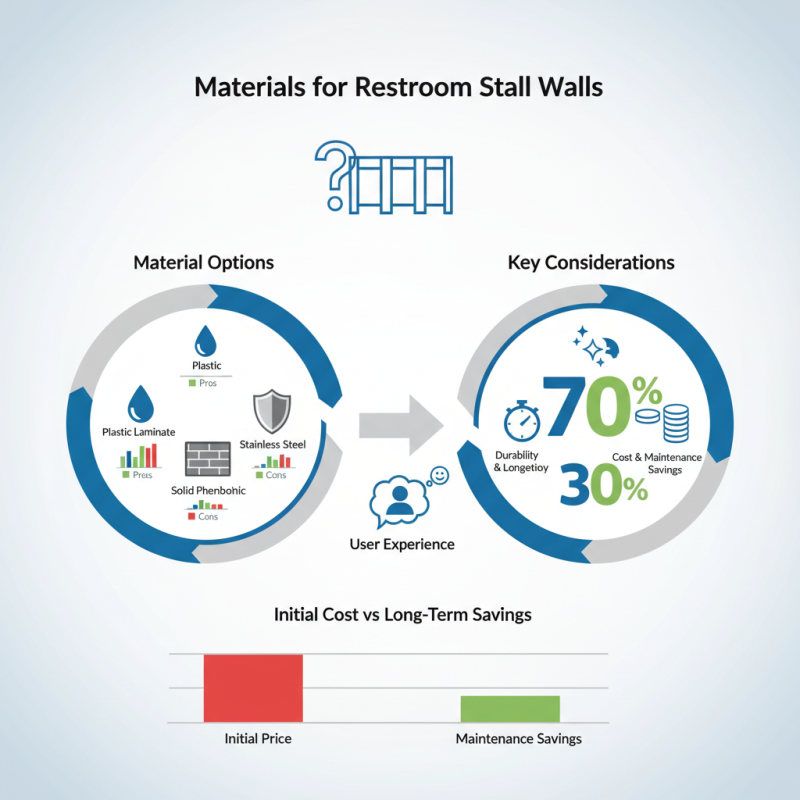
When selecting materials for Restroom Stall Walls, decision-makers face numerous challenges. The right choice can impact cleanliness, durability, and aesthetics. Industry reports indicate that over 70% of restroom users consider cleanliness as a top priority. According to restroom design expert John Smith, "The material used in restroom stall walls can significantly affect the overall user experience."
Several materials are available, each presenting unique pros and cons. For instance, plastic laminate offers excellent moisture resistance but may not be as durable as stainless steel. Conversely, stainless steel provides longevity but might lead to fewer design options. Companies often overlook these aspects, leading to unsatisfactory results.
In addition, cost remains a significant factor. Data show that companies can save up to 30% on maintenance with the right material. However, initial pricing can mislead budget-conscious facilities. Ultimately, understanding the varied options for restroom stall walls is crucial to ensure user satisfaction and efficient spending.
Understanding Restroom Stall Wall Materials: An Overview
Restroom stall walls serve as a crucial barrier in public facilities. The material used affects hygiene, durability, and overall user experience. Common options include High-Pressure Laminate (HPL), stainless steel, and solid plastic. According to industry reports, HPL is popular due to its cost-effectiveness and extensive design options. However, it can be prone to chipping and water damage if not maintained properly.
Stainless steel offers superior durability and cleanliness. It’s resistant to most stains and scratches, making it a favorite for high-traffic areas. Yet, it can be cold and uninviting. Some studies suggest using solid plastic that withstands moisture and provides a softer touch. However, solid plastic can be more expensive and less sleek compared to other materials.
In choosing restroom stall wall materials, consider not only cost but maintenance requirements. Cost-effective solutions may lead to increased future repairs. Choices like HPL might look good initially but could necessitate frequent replacements. Reflecting on these aspects ensures a better long-term investment, balancing budget and user satisfaction.
Common Materials Used for Restroom Stall Construction
When considering materials for restroom stall walls, several common options are available. These include metal, plastic laminate, solid plastic, and concrete. Each option has its own unique characteristics. For instance, metal stalls are durable, often used in high-traffic areas. However, they can dent and rust over time. On the other hand, solid plastic is resistant to moisture and is less likely to crack or fade.
Plastic laminate offers a more aesthetic finish. It is lightweight and comes in a variety of colors. Yet, laminate can be susceptible to chipping. Concrete stalls provide excellent durability but can feel cold and uninviting. Studies show that solid plastic can last over 25 years with proper care, making it a long-term investment.
Tips: Choose a material based on your restroom's usage. If the area sees heavy foot traffic, metal or solid plastic might be the best choice. Consider the look you want. Aesthetic finishes can enhance the overall restroom experience.
Evaluate installation costs and maintenance too. Metal could be lower initially but may require more upkeep. Conversely, solid plastic, while pricier upfront, often requires less maintenance. Ultimately, the best choice depends on balancing aesthetics, durability, and cost.
Factors to Consider When Choosing Stall Wall Materials
When selecting restroom stall wall materials, durability is key. Materials should withstand heavy use and resist damage. Solid plastic and laminated composite materials are commonly chosen for their resilience. However, these options may have limitations in aesthetic appeal. Some users find them cold and unwelcoming.
Another important factor is maintenance. Smooth surfaces are easier to clean and maintain. Consider materials that resist stains and moisture. Additionally, the installation process can be complex. Some materials may require special tools or skills. Think about your timeline and budget when making a choice. Finding the right balance between cost and quality is crucial.
Lastly, sound absorption is often overlooked. Thick, heavy materials can help minimize noise. However, they may add weight and complexity to the installation. Consider the overall atmosphere of the restroom. It should feel comfortable and private. Reflect on the needs of users. Their feedback can guide you toward the best options for your facility.
Material Comparison for Restroom Stall Walls
Comparative Analysis of Durability and Maintenance for Stall Materials
When it comes to restroom stall walls, durability and maintenance are crucial factors. Different materials offer unique benefits and challenges. For instance, fiberglass-reinforced plastic (FRP) is known for its resistance to moisture and stains. Reports show that FRP stalls can last up to 20 years with proper care. However, they may require routine cleaning to prevent discoloration.
Metal stalls, like those made of stainless steel, are incredibly durable. They withstand high-impact environments, making them ideal for heavy use. Yet, they can show scratches and dents over time. According to industry research, metal stalls typically last 15 to 25 years. Still, owners must be vigilant about rust and corrosion.
High-density polyethylene (HDPE) is another popular option. It resists dents and scratches, and it's easy to maintain. Studies reveal that HDPE can last around 15 years. But, it's essential to monitor for fading under UV exposure. Each material has its pros and cons, and understanding these factors is vital for making informed decisions about restroom stall installations.
Cost-Effectiveness of Different Restroom Stall Wall Options
When considering restroom stall walls, cost-effectiveness is key. Various materials offer different price points and durability levels. According to a report by the American Restroom Association, metal stalls can range from $300 to over $1,200 per stall, depending on the gauge of steel used. Though sturdy, their initial investment might not fit every budget.
Plastic laminate is another option. Reports show that it typically costs between $150 to $600 per stall. While it offers decent aesthetics, it can be less durable over time. Many facilities report wear and tear after just a few years. It's important to weigh the expense against longevity. After a short period, replacements might become necessary, leading to higher overall costs.
Another alternative is solid phenolic. It tends to be more expensive, running from $500 to $1,500 per stall, but it provides better resistance to moisture and impacts. Facilities using solid phenolic often find it pays off in the long run as maintenance costs decrease. However, investing in higher-end materials might be challenging for tight budgets. Each option demands careful consideration to ensure that the balance between upfront costs and long-term benefits is achieved.
What is the Best Material for Restroom Stall Walls? - Cost-Effectiveness of Different Restroom Stall Wall Options
| Material | Cost per Sq. Ft. | Durability | Maintenance | Aesthetics | Sustainability |
| Stainless Steel | $50 | High | Low | Modern | Recyclable |
| Plastic Laminate | $30 | Medium | Medium | Varied | Limited |
| HDPE (High-Density Polyethylene) | $40 | High | Low | Basic | Recyclable |
| Metal (Mild Steel) | $45 | Medium | High | Industrial | Non-recyclable |
| Fiberglass | $35 | High | Medium | Smooth | Non-recyclable |