Best Cnc Turned Components for Global Buyers in China?
In the competitive landscape of manufacturing, Cnc Turned Components have gained significant attention. Buyers from around the globe are seeking high-quality products that meet specific requirements. China's diverse production capabilities present a unique opportunity for these global buyers. The nation is known for its advanced machining techniques and skilled workforce.
However, not all suppliers provide the same level of quality and reliability. It is essential for buyers to assess potential partners carefully. Understanding the specifications required for each project can lead to better sourcing decisions. Challenges exist in navigating different standards and practices across regions. A thorough evaluation is crucial to ensure that selected components meet industry benchmarks.
Transparency in the manufacturing process is often lacking. Buyers need to ask questions, demand certifications, and verify claims. This effort can help mitigate risks associated with product failures. The landscape for Cnc Turned Components is continuously evolving. Staying informed about market trends and technological advancements is key to making informed purchases.
Understanding CNC Turning: A Brief Overview
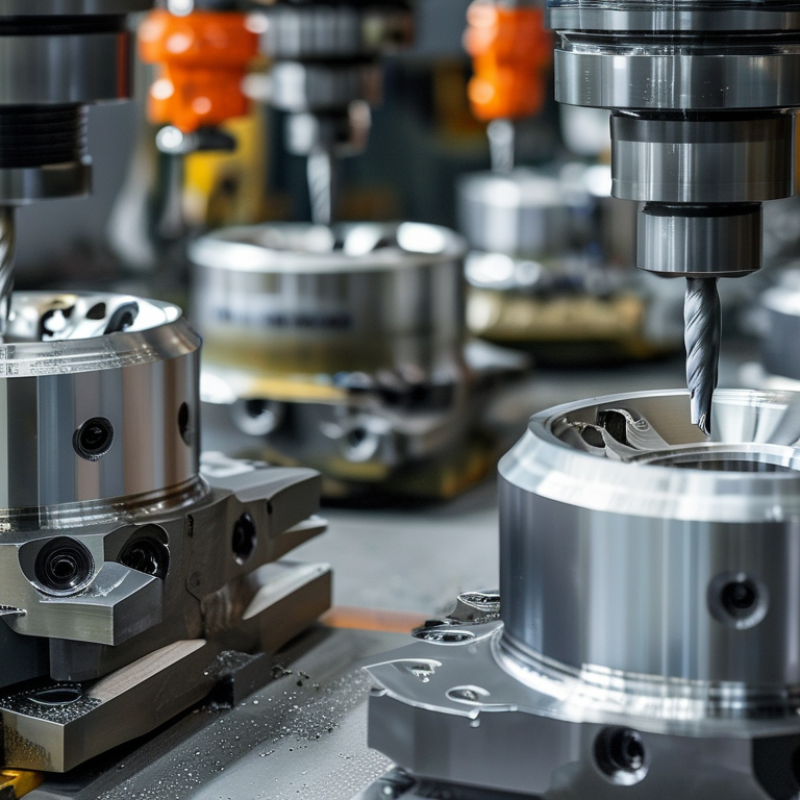
CNC turning is a vital manufacturing process. It involves rotating a material while cutting tools shape it into desired forms. This technique is prized for its precision and efficiency. According to a report by Statista, the CNC machining market is projected to reach $100 billion by 2025. This growth reflects the global demand for high-quality components.
China stands as a key player in CNC machining. Advanced technology and a skilled workforce boost its capabilities. Notably, the country produces a significant share of CNC components for industries like aerospace and automotive. A study by MarketsandMarkets indicates that precise machining can reduce production costs by up to 20%. However, fabricators must remain vigilant about quality control to maintain competitiveness.
Despite advancements, challenges persist. Specific tolerances can be difficult to achieve consistently. Some manufacturers struggle with material waste during the CNC turning process. Efforts to streamline operations are essential. Regular training and adopting new technologies could significantly improve outcomes. The landscape of CNC turning is continuously evolving, revealing areas for growth and improvement.
Best CNC Turned Components for Global Buyers in China
| Component Type | Material | Diameter Range (mm) | Application Industries | Lead Time (Weeks) |
| Shafts | Steel | 10 - 50 | Automotive, Machinery | 2-4 |
| Bushings | Aluminum | 5 - 30 | Electronics, Aerospace | 1-3 |
| Cylinders | Copper | 15 - 70 | Hydraulics, Pneumatics | 3-5 |
| Flanges | Stainless Steel | 10 - 100 | Oil & Gas, Plumbing | 4-6 |
Key Benefits of CNC Turned Components for Global Buyers
CNC turned components have gained recognition among global buyers in China due to their precision and efficiency. These components are important for industries including aerospace, automotive, and electronics. Reports indicate that the global CNC machining market is expected to reach USD 80 billion by 2025, signaling growing demand. The ability of CNC machines to produce intricate designs with tight tolerances makes them invaluable.
One key benefit of CNC turned components is their consistency. Manufacturers can replicate designs with high precision, reducing waste and maximizing materials. A well-optimized production process can improve efficiency by up to 20%, according to industry studies. However, achieving this can require significant investment in technology and skilled labor, which may not always be feasible for smaller companies.
Tips for buyers: Always assess your supplier's quality control measures before placing large orders. Seek manufacturers who utilize advanced technologies and have certifications to ensure reliability. Understand that while CNC components can be expensive, the long-term savings often justify the upfront costs. Recognizing that not all manufacturers adhere to the same standards can save you from potential setbacks.
Top Industries Utilizing CNC Turned Components in China
CNC turned components are gaining traction in various industries across China. The automotive sector, accounting for roughly 28% of the manufacturing output, heavily depends on these components. Precision and quality are crucial in this industry. Recent reports indicate a growth of 7% in demand for CNC parts specifically for automotive applications. This surge is driven by the rise of electric vehicles, which require complex components with tight tolerances.
Aerospace is another key industry. Utilizing CNC turned components has led to a reported 15% reduction in production times, according to industry sources. This improvement allows manufacturers to respond faster to market demands. The rigorous standards in aerospace manufacturing also promote the continuous use of advanced CNC machining technologies. However, challenges remain in achieving cost-effectiveness and maintaining supply chain stability.
Healthcare is increasingly relying on custom CNC components for medical devices. This sector shows a 10% annual growth rate. Components like surgical instruments and implantable devices require high precision. Demand for biocompatible materials adds complexity to the manufacturing process. Balancing innovation with cost and reliability can be a struggle. These factors highlight the evolving landscape of CNC turned components within these critical industries.
Criteria for Selecting High-Quality CNC Turned Components
When selecting CNC turned components, attention to detail is crucial. The material used directly affects the component's performance. Common materials include aluminum, steel, and brass. High-quality materials ensure durability and resistance to wear. Consider the environmental factors too. Components exposed to extreme temperatures or corrosive elements need specific material characteristics.
Precision is another critical factor. High tolerance levels indicate better manufacturing processes. A well-established supplier will provide components within strict dimensional tolerances. It is essential to request certification documents to verify quality standards. Manufacturers should also demonstrate their machining capabilities through samples. This can address future complications.
Additionally, communication is key. Engaging with suppliers provides insight into their expertise. Ask questions about their production processes and quality control measures. A reliable supplier will be transparent and responsive. It builds trust and sets the foundation for a long-term partnership. Finding the right components can be challenging but rewarding when done correctly.
Quality Comparison of CNC Turned Components
This chart illustrates the quality metrics of CNC turned components based on various criteria such as material quality, precision, surface finish, lead time, and cost effectiveness. These factors are crucial for global buyers looking to select high-quality components.
Future Trends in CNC Turning Technology and Global Markets
The landscape of CNC turning technology is evolving rapidly. Automation and advanced machinery are pivotal in this transition. Manufacturers are adopting these technologies to improve precision and efficiency. As industries require more complex components, CNC turning is meeting this demand. Innovations in software are streamlining design processes. This minimizes errors and enhances production capabilities.
Sustainability is also a key trend. Many companies are focusing on eco-friendly practices. This shift can create challenges in sourcing materials. Balancing sustainability with performance is crucial. There's a push for recyclable materials in CNC turned components. Nevertheless, this transition requires careful consideration of cost and quality.
Emerging markets are significantly shaping global demand. Countries with advanced infrastructure are becoming central hubs for CNC manufacturing. Yet, the competition can be fierce and unpredictable. Adapting to changing trends is essential for survival. Companies must invest in research and development to stay relevant. The future holds both challenges and opportunities in CNC turning technology.