What Are the Benefits of Pyrolysis Oil Refining Plant in China?
The importance of the Pyrolysis Oil Refining Plant in China cannot be overstated. As environmental challenges rise, this technology offers significant advantages. Dr. Li Wei, a leading expert in renewable energy, emphasizes, "Pyrolysis technology transforms waste into valuable resources." This transformation is crucial in combating waste accumulation and promoting sustainability.
One key benefit of the Pyrolysis Oil Refining Plant is its ability to convert plastic waste into usable oil. This process reduces landfill waste and its accompanying environmental impact. Additionally, the refined oil can be used for various applications, such as fuel and chemical feedstock. However, challenges remain. The technology requires careful management to ensure efficiency and minimize emissions.
Moreover, the economic potential of the Pyrolysis Oil Refining Plant is promising. It can create jobs and stimulate local economies. Still, not all facilities operate at peak efficiency. Continuous improvement and adherence to best practices are essential to maximize the plant’s effectiveness. In this evolving industry, balancing innovation with responsibility is vital for long-term success.
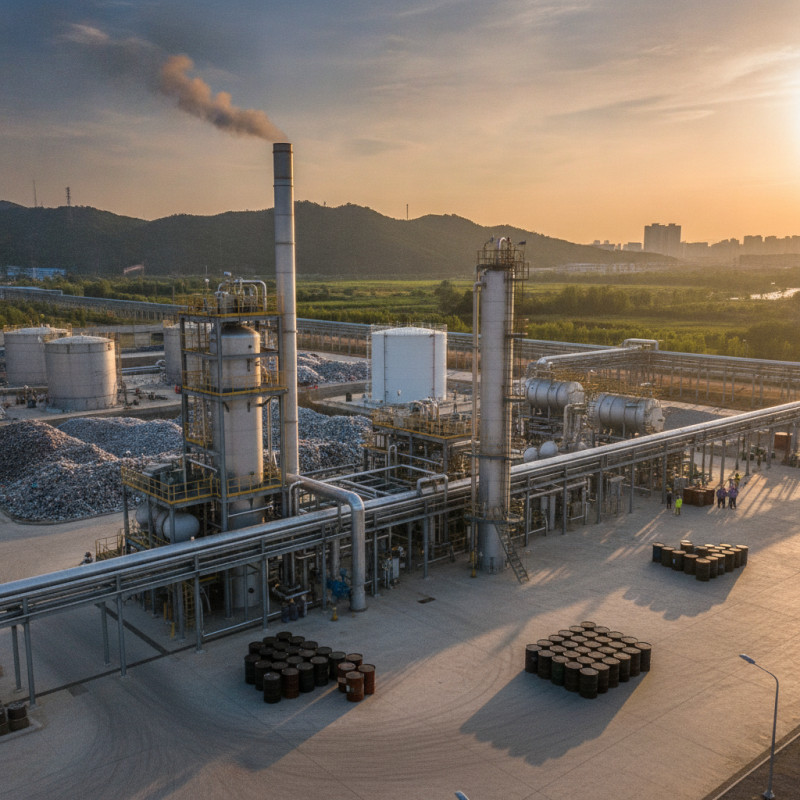
Overview of Pyrolysis Oil and Its Applications
Pyrolysis oil, derived from the thermal decomposition of organic materials, has gained attention in China. This process converts waste materials into valuable fuel sources. The application of pyrolysis oil spans several industries, offering multiple benefits. For instance, studies show that it can reduce dependency on fossil fuels. Renewable energy sources have become critical as China aims for carbon neutrality by 2060.
In practical terms, pyrolysis oil serves as a feedstock for various industrial applications. It can be converted into synthetic fuels, chemicals, and even electricity. According to a report by the China Renewable Energy Society, pyrolysis oil can achieve up to 70% energy recovery from waste. However, challenges remain, including the need for advanced refining technologies and consistent quality control.
Moreover, the market for pyrolysis oil in China is evolving. Local governments encourage investment in waste-to-energy projects. Yet, the refining process can be costly, impacting commercial viability. There is ongoing research to enhance efficiency and reduce costs. As the industry matures, further innovation will likely reshape its landscape.
Benefits of Pyrolysis Oil Refining Plant in China
Economic Benefits of Pyrolysis Oil Refining Plants in China
Pyrolysis oil refining plants in China present numerous economic advantages. They transform waste materials into valuable fuel. This process generates jobs, enhancing local employment rates. As cities face increasing waste challenges, these plants offer a sustainable solution.
The operation of pyrolysis plants can reduce landfill costs significantly. With more effective waste management, municipalities save money. Moreover, the production of renewable energy fosters energy independence. This transition can help China reduce its reliance on fossil fuels. Local economies can thrive with investments in such technologies.
However, it is essential to monitor environmental impacts closely. Not all plants operate under stringent regulations, leading to pollution concerns. Continuous improvement is necessary to ensure sustainable practices. Balancing economic benefits with environmental protection should remain a priority.
What Are the Benefits of Pyrolysis Oil Refining Plant in China?
| Benefit Dimension | Description | Quantitative Impact |
| Economic Growth | Contribution to GDP through job creation and investment in infrastructure. | Estimated increase in GDP by 2% annually. |
| Job Creation | Direct and indirect job opportunities in manufacturing and processing sectors. | Creation of 1,000+ jobs per plant. |
| Resource Management | Efficient recycling of waste materials into valuable products. | Reduction in waste by up to 80%. |
| Energy Production | Conversion of waste into energy sources such as biofuels. | Production of 500,000 liters of biofuel per year. |
| Environmental Benefits | Reduction of greenhouse gas emissions through waste conversion. | Decrease emissions by 30% compared to traditional waste disposal. |
Environmental Advantages of Utilizing Pyrolysis Oil
Pyrolysis oil refining plants in China offer significant environmental benefits. These plants convert waste materials into valuable resources. This process not only helps reduce landfill waste but also lowers greenhouse gas emissions. According to a report by the International Energy Agency, pyrolysis can divert up to 90% of waste from traditional disposal methods.
Utilizing pyrolysis oil can also replace fossil fuels in various industrial applications. This transition supports a circular economy by transforming waste into energy. Additionally, research indicates that using pyrolysis oil can reduce carbon emissions by about 30%. This approach aligns with China's commitment to emission reduction goals and sustainability.
Tip: Regular maintenance of pyrolysis equipment is crucial. Ensuring optimal operation limits potential emissions during the refining process. Always consult expert analyses when assessing the viability of a pyrolysis oil project. Thoughtful planning and execution can yield the best environmental outcomes.
Technological Innovations in Pyrolysis Oil Refining Processes
The innovations in pyrolysis oil refining processes are transforming energy recovery in China. Pyrolysis oil, derived from waste materials, offers a potentially sustainable energy source. Technological advancements improve efficiency and yield, making the process more appealing. Enhanced reactors now facilitate faster heating and better thermal management. This leads to higher quality oil with a more favorable chemical composition.
Moreover, integrating automation in refining processes has optimized operations. Automated systems reduce human error and increase safety standards. Sensors monitor real-time data, allowing for quick adjustments during production. This ensures consistent results and minimizes waste. It’s a promising trend, yet some facilities struggle with outdated equipment, hindering progress.
Tips: Consider investing in training for staff. Knowledgeable workers can make significant improvements in efficiency. Regularly review your equipment's performance. This can identify potential upgrades early, ensuring you stay competitive in a rapidly evolving market. Embracing innovation requires continuous learning and adaptation.
Government Policies Supporting Pyrolysis Oil Industry in China
China's pyrolysis oil industry is gaining momentum, spurred by supportive government policies. The government is investing in research to enhance pyrolysis technology. According to a recent report from the China Chemical Industry Federation, the sector saw a 35% increase in investment over the past year. This investment fosters innovation, ensuring the industry remains competitive globally.
Regulatory frameworks are becoming more favorable. The Ministry of Ecology and Environment is setting stricter waste management regulations. These regulations encourage recycling and the reprocessing of materials into pyrolysis oil. In turn, this helps reduce reliance on fossil fuels, creating a cleaner energy source. The government also offers subsidies for companies adopting advanced pyrolysis technologies. This approach not only boosts the industry but also aligns with China’s environmental goals.
Despite these advancements, challenges still exist. Some operators face difficulties in scaling their technologies efficiently. Moreover, there remains a lack of standardized processes within the industry. The potential for innovation is high, but the operational barriers require attention. As the Chinese market continues to grow, addressing these issues will be crucial for long-term sustainability and success.