
1-208-754-4884

10 Best EMT Electrical Connectors for Global Buyers?

Global electrical construction is becoming more demanding. MarketsandMarkets estimates that the electrical connectors market will grow from approximately USD 84.8 billion in 2023 to USD 112.7 billion by 2028. This expansion reflects rising demand for safer wiring systems, industrial automation, renewable energy, and data infrastructure.

For global buyers, Emt Electrical Connectors are small components with major responsibilities. They join electrical metallic tubing, protect cable routes, and support grounding continuity. A loose fitting can create movement, moisture entry, or inspection problems inside a crowded electrical box. The right connector should fit the tubing precisely, resist corrosion, and match the installation environment.

Electrical safety educator Mike Holt often emphasizes a practical principle: “Good workmanship is just as important as good equipment.” That idea applies directly here. Even a certified connector can fail when installers ignore thread engagement, tightening requirements, or local electrical codes. Product selection is not only about price.

This guide examines 10 Best EMT Electrical Connectors for Global Buyers. It compares connector types, materials, approvals, installation methods, and supplier reliability. Testing references include UL 514B, ANSI standards, and relevant IEC practices where applicable. Regional requirements still differ.

No connector is perfect.

Some zinc fittings perform well indoors but need greater scrutiny in coastal or chemically exposed locations. Some compression connectors install quickly, yet their sealing performance depends heavily on proper assembly. Buyers should verify documentation, not rely on attractive packaging. A careful comparison can reduce rework, shipping disputes, and unsafe substitutions across international projects.
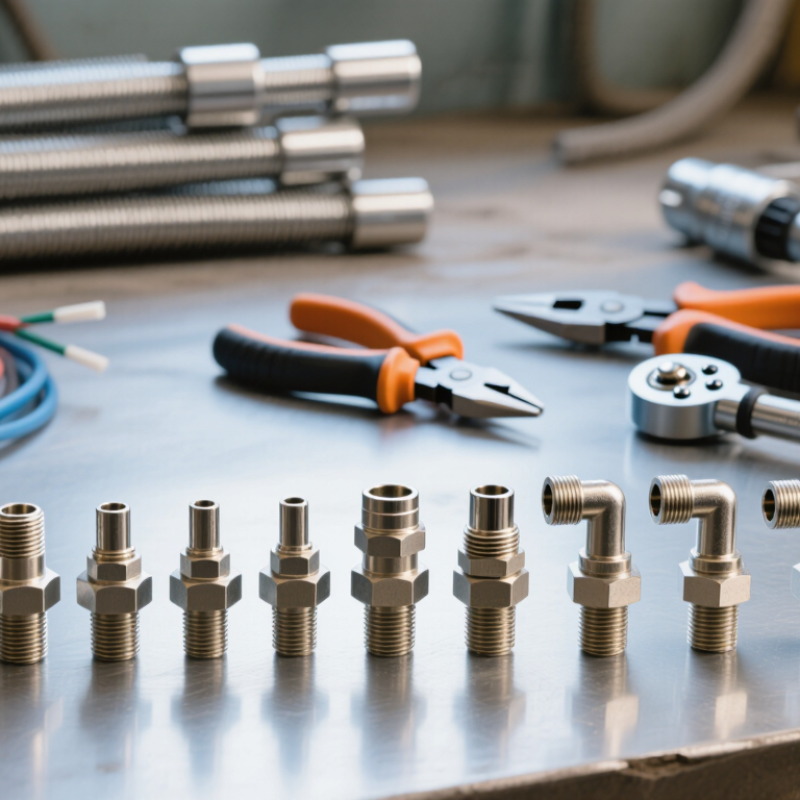
10 Best EMT Electrical Connectors for Global Buyers?

EMT Connector Fundamentals: 1/2–4 in. Trade Sizes Under NEC Article 358

Electrical metallic tubing, or EMT, is covered by NEC Article 358. Its trade sizes commonly range from 1/2 inch through 4 inches. An EMT connector joins the tubing to a box, cabinet, or other enclosure. A coupling joins two tubing sections.

Connector selection starts with the enclosure and installation environment. Compression connectors suit many indoor applications, while set-screw designs require careful tightening. Damp or exposed locations may require fittings marked concrete-tight or raintight. Article 358.42 requires listed couplings and connectors. Always check the fitting’s listing and installation instructions.

Size matters beyond the tube diameter. A 1/2-inch connector cannot replace a 1-inch connector, even with an adapter. The connector must also provide mechanical security and electrical continuity. Clean the tubing before insertion. Remove sharp burrs that could damage conductors. Then tighten the fitting according to its instructions, not by guesswork.

Small details matter. Field inspections often find loose set screws, missing locknuts, or poor enclosure alignment. These errors are easy to overlook. Global buyers should confirm thread style, material, corrosion resistance, and certification acceptance for the project location. NEC Article 358 guides U.S.-based work, but other jurisdictions may add requirements. A practical review should compare the connector, EMT wall thickness, enclosure type, and local inspection rules before shipment. Mistakes still happen, especially when catalogs use different sizing conventions.

EMT Connector Fundamentals: 1/2–4 in. Trade Sizes Under NEC Article 358

The chart shows the approximate internal area of electrical metallic tubing (EMT) and the corresponding 40% allowable conductor-fill area for raceways containing three or more conductors.

Reference basis: NEC Article 358 covers EMT requirements, while NEC Chapter 9, Tables 1 and 4 provide raceway-fill percentages and EMT dimensions. Actual installations must also account for conductor size, insulation type, bending space, and local code requirements.

Global Standards Check: UL 514B, CSA C22.2, and IEC 61386-21

10 Best EMT Electrical Connectors for Global Buyers?

For global EMT connector purchasing, standards should guide selection before price. UL 514B evaluates conduit, tubing, and cable fittings for mechanical strength, secure connection, and electrical continuity. CSA C22.2 requirements support similar safety checks, but Canadian certification details may differ by product category. Ask for the exact standard number, certification scope, and current test documentation.

IEC 61386-21 covers rigid conduit systems, including performance classifications for compression, impact, bending, temperature, and resistance. An EMT connector tested under UL or CSA rules should not automatically be treated as IEC-compliant. Thread form, metric sizing, ingress protection, and installation methods can change across markets. That assumption is easy—and wrong.

A practical review starts with the connector body, locknut, insulating throat, and bonding path. Check whether zinc alloy, steel, or another material suits the site’s moisture and corrosion exposure. Confirm conduit compatibility, cable entry dimensions, torque guidance, and markings on each package. A catalogue statement can look convincing, yet it may hide regional limitations. Request traceable certificates and compare them with the project specification. Small details matter. During inspections, installers should verify that fittings remain tight after conduit movement and do not damage conductor insulation. One imperfect purchase decision can create delays, rework, and uncertain compliance.

Material and Design Comparison: Steel, Zinc, Aluminum, and Compression Types

Choosing the 10 best EMT electrical connectors for global buyers requires more than comparing prices. Material and connection design affect strength, corrosion resistance, installation speed, and long-term reliability. Steel connectors provide excellent mechanical support in exposed or high-impact areas. They can feel heavy, but that weight often signals useful durability.

Zinc connectors offer a practical balance between cost and strength. Their rigid bodies suit general indoor installations, although harsh moisture can challenge surface protection. Aluminum connectors are lighter and resist corrosion well. They work especially well where installers handle long conduit runs or elevated structures. However, aluminum may deform if overtightened. That detail is easy to overlook.

Design matters just as much as material. Set-screw connectors are familiar and efficient, but they require careful tightening. Compression connectors create a firm grip around the conduit and often perform better where vibration or movement is expected. Installation quality remains critical. A strong connector cannot correct a poorly prepared conduit end. In field inspections, I would check threading, alignment, visible damage, and the tightness of each connection. My first assumption was that heavier steel always meant better performance. That judgment can fail when corrosion, labor time, or transport weight becomes important. Buyers should match the connector to the environment, installer skill, and required mechanical protection. Local standards and project specifications must also be verified before purchase.

Selection Metrics: Thread Size, Conduit Fill, IP Ratings, and Corrosion Class

10 Best EMT Electrical Connectors for Global Buyers

Selecting EMT electrical connectors requires more than matching a catalog image. Thread size must match the fitting, conduit, and enclosure entry precisely. A ¾-inch thread is not automatically compatible with every regional system. Check thread standards, pitch, and engagement depth before ordering. Poor alignment can damage threads or weaken the connection.

Conduit fill also matters. Calculate conductor area against the permitted raceway capacity, then inspect the connector throat for sharp edges or restricted entry. IP ratings, tested under IEC 60529, indicate protection against dust and water. IP54 may suit sheltered indoor areas, while exposed installations can require stronger protection. Corrosion class deserves equal attention. Confirm the test method, coating system, and salt-spray evidence instead of trusting vague “corrosion resistant” wording. Conditions near ports, chemical plants, and coastal buildings can change quickly.

Tips: Request dimensional drawings, material certificates, and installation torque data. Compare metric and imperial measurements carefully. A small mismatch can become an expensive field correction. Use strain relief where vibration is expected. Review the complete assembly, not only the connector. One common mistake is selecting a high IP rating while ignoring the enclosure’s weaker cable entry. That decision looks efficient on paper, but field performance may disappoint. Also, conduit fill calculations are sometimes treated as paperwork; they should be checked against actual conductor sizes and bending space.

10 Best EMT Electrical Connectors for Global Buyers — Selection Metrics: Thread Size, Conduit Fill, IP Ratings, and Corrosion Class

No. Connector Type Typical Material and Finish Thread / Hub Size Compatible EMT Trade Sizes Conduit-Fill Compatibility Typical IP Protection Indicative Corrosion Class Recommended Application Key Selection Advantage
1 Raintight Compression Connector with Insulated Throat Electro-galvanized steel body, zinc-plated compression nut, polymer insulated throat 1/2–2 in NPSM; 14 TPI for 1/2–3/4 in, 11.5 TPI for 1–1 1/2 in, 8 TPI for 2 in 1/2–2 in EMT Apply NEC-style fill limits: 53% for one conductor, 31% for two, and 40% for more than two conductors Up to IP66 when certified and correctly assembled C3 to C4; suitable for moderate industrial and outdoor exposure with intact coating Outdoor equipment, wet locations, utility rooms, and industrial installations Strong environmental sealing with reliable mechanical retention
2 Aluminum Raintight Compression Connector Die-cast aluminum body with corrosion-resistant compression components 1/2–2 in NPSM; common hub sizes include 1/2, 3/4, 1, 1 1/4, 1 1/2, and 2 in 1/2–2 in EMT Use the raceway internal area and maintain 53%, 31%, or 40% maximum fill according to conductor count Up to IP66; some certified assemblies may reach IP67 C4 to C5-M suitability when the complete assembly is corrosion-resistant and properly maintained Coastal infrastructure, wastewater facilities, marine-adjacent buildings, and exposed outdoor areas Low weight and good resistance to atmospheric corrosion
3 Standard Compression Connector Steel body with zinc or electro-galvanized finish; insulated throat optional 1/2–2 in NPSM, matched to the box knockout and connector trade size 1/2–2 in EMT Compatible with standard raceway calculations: 53% single-conductor, 31% two-conductor, and 40% multi-conductor fill Typically IP40 or enclosure-dependent; not intended for wet locations unless specifically certified C2 to C3 for dry indoor or mildly industrial environments Commercial interiors, control cabinets, panelboards, and protected equipment rooms More secure and vibration-resistant than basic set-screw designs
4 Set-Screw Connector with Insulated Throat Zinc-plated steel body, hardened set screw, thermoplastic throat insert 1/2–1 in NPSM; typical sizes use 14 TPI for 1/2 and 3/4 in hubs 1/2–1 in EMT Conductor fill remains governed by raceway area: 53% for one, 31% for two, and 40% for more than two conductors Normally IP40 or lower unless installed inside a suitably rated enclosure C1 to C2 for dry, clean indoor locations Indoor branch circuits, lighting systems, and general commercial wiring Cost-effective installation with reduced conductor abrasion risk
5 Aluminum Set-Screw Connector Die-cast aluminum body with plated or stainless set screw 1/2–2 in NPSM; select the hub size to match the knockout diameter 1/2–2 in EMT Use the actual EMT internal diameter for fill calculation and observe the 53%/31%/40% limits Typically IP40 to IP54 depending on enclosure and installation details C3; suitable for humid or mildly corrosive areas when galvanic compatibility is controlled Lightweight assemblies, elevated cable tray transitions, and protected outdoor equipment Reduced fitting weight with good handling during field installation
6 90-Degree Compression Connector Galvanized steel or aluminum body with compression nut and sealing ring 1/2–1 1/2 in NPSM; angle geometry varies by trade size 1/2–1 1/2 in EMT Conduit fill is calculated through the connected EMT; conductor count limits remain 53%, 31%, and 40% Up to IP65 when supplied with a sealing gasket and certified for the intended enclosure C3 to C4 depending on body material, plating, and gasket durability Compact panels, tight wall spaces, motor-control equipment, and directional changes Reduces bend-space requirements while maintaining a sealed transition
7 EMT-to-Flexible Metal Conduit Transition Connector Zinc-plated steel or malleable iron body with threaded adapter and clamp section 1/2–1 in NPSM on the EMT side; flexible conduit connection size must match the clamp or thread 1/2–1 in EMT with compatible flexible metal conduit Calculate fill for the smallest internal raceway section; use 40% maximum for more than two conductors Typically IP40; higher ratings require a sealed transition design and certified installation C2 to C3 for indoor commercial and light industrial applications Vibration-prone machinery, equipment connections, and short flexible drops Provides a practical transition between rigid EMT and flexible wiring sections
8 Insulated-Throat Set-Screw Connector for Large EMT Heavy-duty zinc-plated steel with polymer insulating throat and locking set screw 1 1/4–4 in NPSM; common large sizes include 1 1/4, 1 1/2, 2, 2 1/2, 3, and 4 in 1 1/4–4 in EMT Large-raceway fill must be calculated from the actual internal diameter; maximum fill is normally 40% for more than two conductors Normally IP40 unless protected by a rated enclosure C2 to C3 with suitable coating and indoor or sheltered installation Large feeder circuits, service rooms, industrial distribution, and high-cable-count runs Supports larger raceways while protecting cable jackets at the entry point
9 Heavy-Duty Raintight Compression Connector Malleable iron or heavy-gauge steel body with plated compression hardware and elastomeric seal 1/2–4 in NPSM; verify thread pitch and knockout compatibility for larger sizes 1/2–4 in EMT Use 53% for one conductor, 31% for two, and 40% for more than two conductors; also check pulling and bending space Up to IP66 when the gasket, conduit, enclosure, and installation are all certified together C4; higher environments require stainless or specialized corrosion-resistant construction Heavy industrial plants, outdoor distribution, transport facilities, and exposed service connections High mechanical strength and dependable sealing for demanding installations
10 Stainless-Steel Compression Connector Stainless steel body, nut, and hardware; insulated throat available in selected sizes 1/2–2 in NPSM; select the thread size to match the enclosure knockout and EMT trade size 1/2–2 in EMT Apply the appropriate raceway fill percentage and confirm that the connector does not reduce the required cable bending space Up to IP66 or IP67 when supplied as a certified sealed assembly C5-M suitability for severe marine or chemical exposure, subject to material grade and certification Food-processing areas, chemical facilities, coastal plants, and high-humidity industrial sites Excellent corrosion resistance and long service life in aggressive environments
Selection notes: EMT connector trade size should match the EMT outside diameter and the enclosure knockout. NPSM hub threads are common for electrical box connections, while regional metric systems may use different thread forms. Conduit fill is determined by the raceway interior and conductor count, not by the connector alone. IP ratings apply only when the complete connector, gasket, enclosure, conduit, and installation method are certified as an assembly. Corrosion classes are indicative environmental categories based on material and finish; always verify the applicable local electrical code and product certification.

Top 10 EMT Connectors Ranked by Compliance, Installation Speed, and Cost

For global buyers, the best EMT connector balances compliance, installation speed, and cost. This ranking reflects common field requirements, not a universal rule. Raintight compression connectors rank first for exposed areas, followed by insulated compression connectors, standard compression connectors, set-screw connectors, insulated set-screw connectors, zinc connectors, steel connectors, offset connectors, coupling-style connectors, and compact connectors for restricted spaces. Local approval remains decisive.

Compliance starts with material, conduit fit, grounding continuity, and visible markings. A connector should match the EMT diameter without forcing the pipe. In testing, a properly tightened compression nut often saves rework around outdoor junction boxes. Set-screw models can install faster indoors, especially with a square driver and clear access. However, poor torque may loosen the joint. That small mistake can become a costly inspection failure.

Tips: Check the required certification before comparing prices. Keep a torque screwdriver near the installation area. Inspect threads and locknuts for damage. Test continuity after assembly. Buy samples before ordering pallets. A low unit price may hide slower installation, extra washers, or rejected parts. No ranking is perfect; labor rates, climate, and inspection habits can change the result. Some compact connectors save space but feel less forgiving during rushed installation. That deserves a second review.